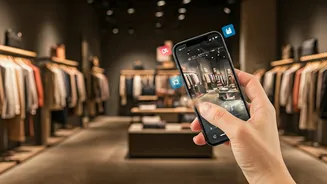







From Search to Stumble
For years, online shopping was a deliberate act. You knew what you wanted, you opened a browser, and you searched for it on a retail website. That's quickly changing. The new era is built on 'discovery commerce', where the shopping journey begins not
with a search bar, but with a casual scroll. Social media platforms are now designed to expose you to products you didn't know you wanted, blending them seamlessly with entertainment, news, and updates from your network. The goal is to eliminate the friction between seeing something you like and buying it, turning passive browsing into active purchasing.
The Rise of 'Shoppertainment'
This shift is being powered by what's now called 'shoppertainment'—a fusion of entertainment, content, and commerce. Platforms like TikTok, Instagram, and Facebook are no longer just ad platforms; they are fully integrated retail environments. Through features like TikTok Shop and Instagram Shopping, users can watch a video, see a product they like, and purchase it without ever leaving the app. This trend has exploded, with projections showing the social commerce market expanding significantly. In the U.S. alone, the market was expected to reach over $100 billion by 2025, and it continues to grow.
Why It Works so Well
The power of social commerce lies in its authenticity and community. Instead of relying on slick corporate advertising, purchasing decisions are heavily influenced by creators, influencers, and user-generated content. Seeing a real person unbox a product or an influencer you trust recommend an item builds a level of credibility that traditional ads struggle to match. In fact, a large percentage of consumers report that social media has influenced their buying decisions, with platforms like TikTok having an outsized impact on Gen Z. Many users say they feel a deeper connection with brands they interact with on social media compared to other platforms.
The Downside of Seamless Shopping
While convenient, this new world of social shopping has its drawbacks. The ease of a one-tap purchase significantly increases the potential for impulse buying and subsequent buyer's remorse. Furthermore, data privacy is a major concern. These platforms gather vast amounts of data on your browsing habits and purchase history to fuel their recommendation algorithms, and there are worries about how this data is used and protected. The rapid, trend-driven nature of social commerce has also led to issues with counterfeit products, scams, and questions about sustainability as products go viral and sell out in an instant.
The Future is Live and Immersive
The evolution isn't stopping here. The next frontier is live shopping and augmented reality (AR). Live shopping events, which blend the real-time engagement of a livestream with instant purchasing capabilities, are already a massive market and are expected to grow exponentially. Brands are using these events to create urgency and excitement. At the same time, AR technology is allowing shoppers to virtually 'try on' clothes or see how a piece of furniture would look in their living room, all from their phone. This combination of live interaction and immersive technology aims to bridge the final gap between the digital and physical shopping experience, making online discovery even more compelling.