







The Automation Paradox
The relentless march of technology has reshaped the workplace. For over a decade, digital literacy—fluency in everything from collaborative platforms to data analytics software—was the undisputed benchmark for a capable employee. However, the very technology we were
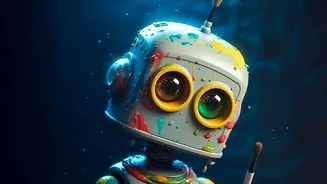
told to master is now evolving to a point where it can perform many of these tasks independently. The rise of sophisticated AI is creating a paradox: as digital tools become more powerful, the competitive advantage is shifting away from those who can simply use the tools, and toward those who can do what the tools cannot. This isn’t an argument against technology, but a recognition of its new role. When AI can draft reports, analyze data, and streamline workflows, human value is no longer rooted in performing those tasks, but in guiding, interpreting, and leveraging them in ways machines can’t.
The Irreplaceable Human Toolkit
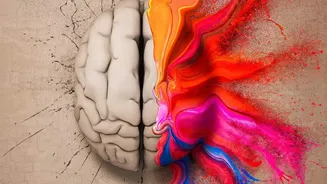
So, what are these essential skills beyond digital fluency? The consensus points to a suite of 'soft skills' that are uniquely human. Chief among them are critical thinking, creativity, emotional intelligence, and complex communication. Critical thinking is the ability to analyze complex situations, question assumptions, and make informed decisions, which is vital when AI provides the data but not the judgment. Creativity and innovation become paramount when standard solutions can be automated; it's the human mind that can connect disparate ideas to solve novel problems. Perhaps most importantly, emotional intelligence (EQ)—the capacity to understand and manage your own emotions and those of others—is emerging as a cornerstone of modern leadership. Skills like empathy, collaboration, and conflict resolution are what allow teams to function, build trust, and navigate the social dynamics that AI cannot comprehend. A LinkedIn report found that 92% of hiring managers now consider these soft skills as important or more important than traditional hard skills.
How to Cultivate These Skills
Developing these human-centric abilities requires a different approach than completing an online certification. They are honed through practice, reflection, and intentional interaction. To build critical thinking, professionals should actively seek out complex, ambiguous projects that don't have a clear answer. This involves questioning established processes and asking 'why' instead of just 'how'. Creativity is fostered in environments that don't fear failure and encourage experimentation. For emotional intelligence, the path involves active listening, seeking honest feedback on your interaction style, and practicing empathy by trying to understand colleagues' perspectives. Mentorship, both as a mentor and a mentee, provides a powerful arena for developing these interpersonal skills. It's about moving from structured, role-based learning to continuous capability development that is integrated into the daily flow of work.
The Career Advancement Payoff
Investing in these skills is no longer a 'nice-to-have' for personal development; it's a direct driver of career advancement. In an AI-driven environment, professionals who combine technical competence with strong human skills are the ones who will lead teams, drive innovation, and strategize effectively. Leaders with high emotional intelligence are proven to create more positive, motivated, and creative work climates, which leads to better performance and lower burnout. They are better at managing up, navigating complex organizational politics, and inspiring confidence. While technical skills might secure an interview, it is the ability to collaborate, communicate persuasively, and think strategically that will secure promotions and position you for leadership roles in an increasingly complex world. These skills are what create your lasting value, long after the current suite of digital tools becomes obsolete.