





The 'No Pain, All Gain' Workout
Forget the 'no pain, no gain' mantra. Zone 2 training is all about exercising at a low-to-moderate intensity. It’s often called the “conversational” pace because you should be able to comfortably talk while doing it. Imagine going for a brisk walk with
a friend; you’re moving and your heart rate is up, but you can still chat without gasping for breath. This level of effort falls into the second of five heart rate zones, typically around 60-70% of your maximum heart rate. It’s a sustainable effort that you can maintain for a longer duration, making it less intimidating and more achievable than high-intensity interval training (HIIT).
Why Go Slow? The Surprising Benefits
It seems counterintuitive, but exercising at this lower intensity unlocks powerful health benefits, especially for those with a more sedentary lifestyle. One of the biggest advantages is that it trains your body to become more efficient at burning fat for fuel. At a Zone 2 pace, your body has enough oxygen to effectively break down fats for energy. This type of training also builds your aerobic base and endurance by strengthening your heart so it can pump blood more efficiently. It also increases the number and efficiency of mitochondria in your cells—the tiny powerhouses that generate energy—which can lead to improved energy levels throughout your day and reduce feelings of fatigue.
How to Find Your Zone 2
The easiest and most practical way to know if you're in Zone 2 is the 'talk test'. If you can speak in full sentences without struggling, you're likely in the right zone. If you can sing, you’re probably going too easy (Zone 1), and if you can only get a few words out at a time, you’re working too hard (Zone 3 or higher). For those who like numbers, you can estimate your maximum heart rate (MHR) by subtracting your age from 220. Your Zone 2 target would then be 60% to 70% of that number. For example, a 40-year-old would have an estimated MHR of 180, making their Zone 2 range approximately 108 to 126 beats per minute.
Routines That Fit a Desk Job
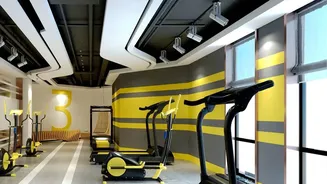
The beauty of Zone 2 is that it can be incorporated into many activities you may already be doing. The key is to maintain a consistent, controlled effort. For a desk worker, this could mean a brisk 30 to 45-minute walk during your lunch break. Other great options include using a stationary bike or elliptical machine at a steady pace while listening to a podcast, a light jog in the park, or swimming continuous laps. Even tasks like general gardening or cycling on flat terrain can be Zone 2 activities. The goal is consistency and duration, not speed. Aim for 2-3 sessions per week, starting with 20-30 minutes and gradually increasing the time as your fitness improves.
Making It a Lasting Habit
The key to long-term fitness is building habits that stick. Because Zone 2 training is less strenuous, the recovery is faster and the risk of injury is lower, making it easier to do consistently. To make it a part of your routine, schedule your workouts just like any other important meeting. Start small to build confidence and momentum. Don't worry about performance metrics at first; just focus on showing up and enjoying the movement. Over time, this foundational fitness will not only improve your health but also make higher-intensity activities feel more manageable if you choose to pursue them.