




From Guesswork to Perfection
India is home to thousands of rice varieties, from the aromatic Gobindobhog of West Bengal to the robust Matta rice of Kerala. Each has a unique personality—a different grain size, starch content, and cooking time. Relying on memory or a one-size-fits-all
approach often leads to inconsistent results: mushy, sticky, or undercooked grains. Keeping a cooking journal is the simplest way to turn culinary chance into a reliable process. It allows you to document what works and what doesn't, ensuring you can replicate that perfect, fluffy bowl of rice every single time. It’s not about being overly scientific; it’s about being a more mindful and confident cook, building a personal library of knowledge that makes every meal better.
What to Note Before You Cook
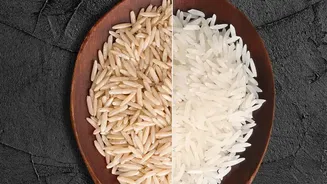
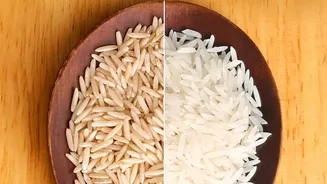
Your observations should begin before the rice even touches water. A cheap spiral notebook left in the kitchen is perfect for this. Start a new page for each variety and jot down the basics. Note the name of the rice (e.g., Ambemohar, Sona Masuri) and its origin if you know it. Describe its appearance: Are the grains short and plump or long and slender? What is its colour—pearly white, reddish-brown, or black? Finally, note its raw aroma. The famous Ambemohar rice from Maharashtra, for example, has a scent reminiscent of mango blossoms even before it's cooked. These initial details help you build a sensory profile of the ingredient, making you more familiar with its inherent qualities.
The Crucial Cooking Details
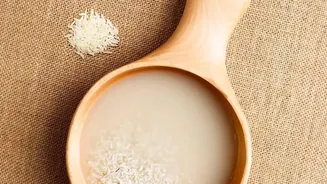
This is where your notes become a practical guide. The most critical variables to track are those related to the cooking process itself. Record the following for each attempt: Rinsing and Soaking: Did you rinse the rice? How many times? Did you soak it, and for how long? Soaking for 20-30 minutes is common for many varieties like Gobindobhog, as it helps the grains cook evenly. Rice-to-Water Ratio: This is arguably the most important detail. Measure precisely. For instance, Gobindobhog often cooks well with a 1:2 rice-to-water ratio. In contrast, some methods for Kerala Matta rice recommend a much higher water ratio, boiling it like pasta and then draining the excess. Cooking Method: Did you use a pressure cooker, an open pot, or a rice cooker? If using a pressure cooker, note the number of whistles and the flame level. Cooking Time: How long did it take for the water to be absorbed or for the rice to become tender? Also, note the resting time. Allowing rice to rest, covered, for 5-10 minutes after cooking is a key step for achieving a fluffy texture.
The Final Verdict and Pairings
Once the rice is cooked and fluffed, your job isn’t done. Now it's time for the final assessment. Describe the cooked texture: Was it fluffy, sticky, firm, or soft? Did the grains remain separate or clump together? Note the cooked aroma and flavour. The short grains of Ambemohar tend to be soft and stick together, making them ideal for children or elders. Matta rice, on the other hand, is valued for its firm, separate grains that hold up well in a traditional Sadya. Most importantly, write down what you served it with and how well it paired. A delicate, aromatic rice might be perfect for a simple dal, while a sturdier grain could be the ideal base for a rich, spicy curry. This information helps you decide how to best use that rice variety in the future.
Building Your Personal Rice Lexicon
Over time, your journal will become more than just a collection of notes; it will be your personal guide to India's vast rice heritage. You’ll have a page dedicated to West Bengal’s short-grained, aromatic Gobindobhog, noting its suitability for khichuri and payesh. Another page might detail your experiments with Kerala’s parboiled Matta rice, perfect for its ability to soak up coconut-based curries without becoming mushy. You may have notes on Maharashtra's Ambemohar rice, whose floral fragrance makes it perfect for a simple varan-bhaat. This simple practice of observation and documentation elevates your cooking. It transforms the daunting task of navigating thousands of rice varieties into an exciting and rewarding culinary journey, one perfectly cooked grain at a time.