


The Supplement Boom's Peak
Walk into any urban gym or chemist, and you'll see the evidence: shelves groaning under the weight of whey protein, multivitamins, fat burners, and exotic extracts. The Indian dietary supplement market has exploded, driven by rising incomes, fitness culture
popularised on social media, and the promise of a convenient solution to our nutritional gaps. For the busy professional, a protein shake felt more efficient than a balanced meal. For the aspiring athlete, supplements seemed like a non-negotiable part of the regimen. This boom was built on a simple, powerful idea: that modern life leaves nutritional holes that only scientifically formulated products can fill.
A Return to Our Roots
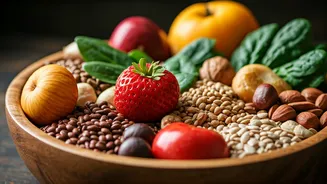
Yet, at the peak of this craze, a counter-current has gained powerful momentum. More and more people are looking past the slick marketing and asking a simple question: didn't our grandparents build strong bodies without whey protein? This shift is fueled by several factors. There is a growing skepticism towards ultra-processed goods and a desire for transparency about what we put in our bodies. Simultaneously, there's a renewed and powerful pride in traditional Indian food systems and Ayurvedic wisdom. Nutritionists and wellness influencers are increasingly highlighting that our own backyards and kitchens hold superfoods that are more potent, bioavailable, and affordable than their imported, powdered counterparts.
The 'Food First' Philosophy
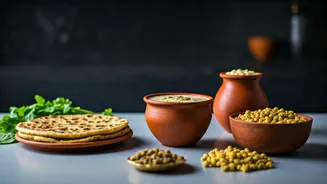
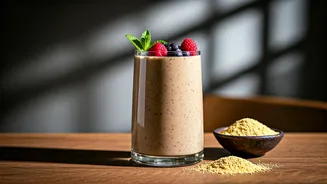
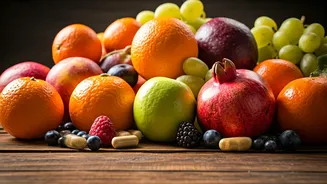
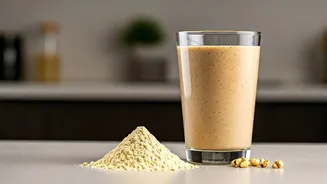
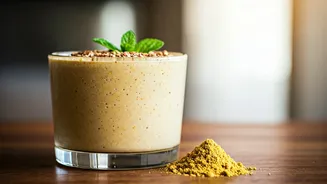
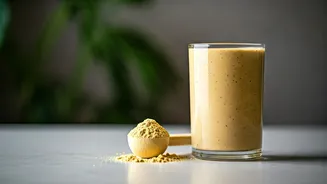
The core of this movement is the 'food first' philosophy. It's not about demonising all supplements—they have a crucial role in treating diagnosed deficiencies under medical supervision. Instead, it’s about prioritising whole foods as the primary source of nutrition. Why have a vitamin C tablet when you can have an amla? Why import quinoa when our indigenous millets like ragi and jowar are packed with fibre and nutrients? The star of this shift is often sattu. The humble roasted gram flour, long a staple in Bihar and Uttar Pradesh, is being celebrated as India’s own, plant-based protein powerhouse—a perfect, cooling post-workout drink that is easier on the gut and the wallet than many commercial protein shakes.
What the Experts Are Saying
This isn't just a grassroots trend; it’s backed by science and promoted by experts. Leading Indian dietitians are increasingly advising their clients to move away from a supplement-dependent mindset. They argue that nutrients from whole foods are often better absorbed by the body because they come packaged with fibre, enzymes, and other phytonutrients that work in synergy—a complexity that a pill cannot replicate. The focus is shifting towards 'food synergy'—the idea that eating a balanced thali with dal, sabzi, roti/rice, and dahi provides a more holistic nutritional benefit than isolating and consuming individual nutrients in pill form. The official government push for millets (Shree Anna) as a sustainable, nutritious crop further reinforces this national pivot back to indigenous grains.
How to Join the Real Food Movement
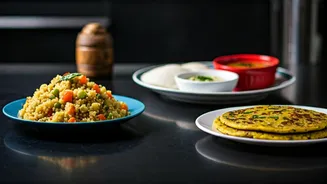
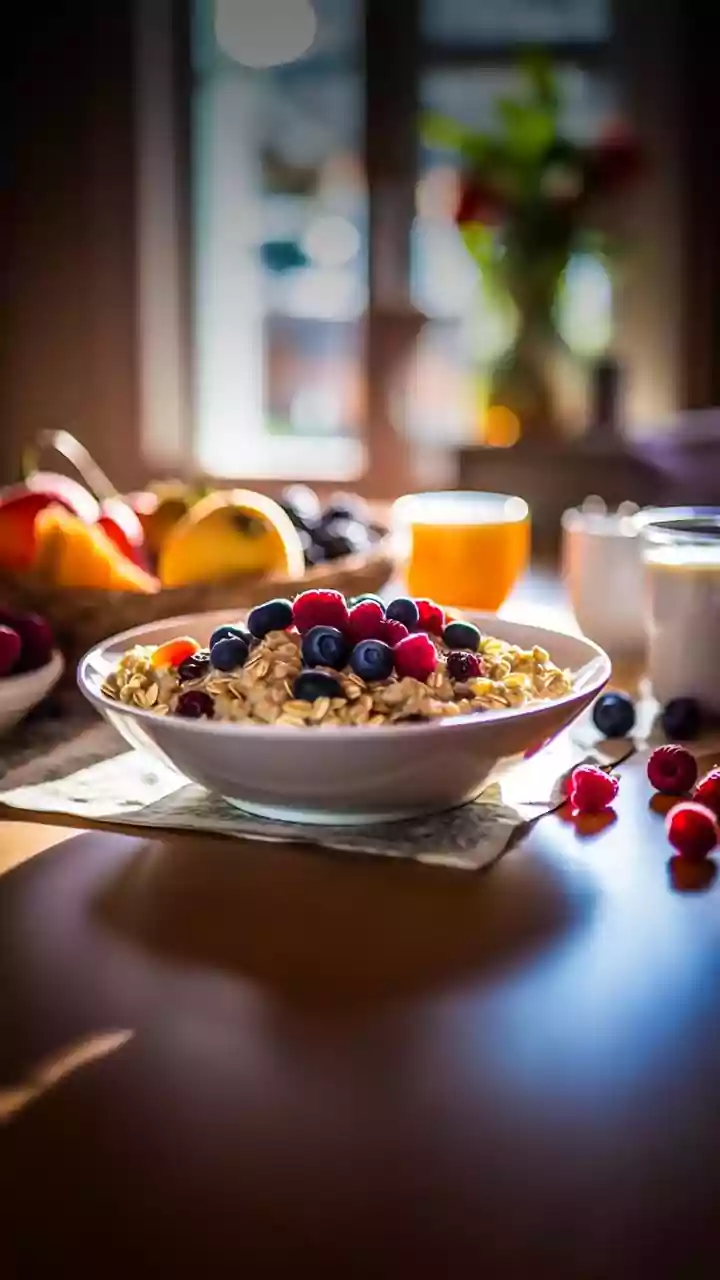
Making the switch doesn't have to be overwhelming. It begins with small, intentional choices. Start by auditing your pantry: could you swap a packaged breakfast cereal for homemade poha or upma? Instead of a pre-workout supplement, try a banana or a handful of dates. Explore your local vegetable market for seasonal greens you may have overlooked, like moringa (drumstick leaves) or amaranth. Make one meal a day a purely 'real food' meal, with no packaged or processed items. The goal isn't immediate perfection but a gradual re-orientation of your plate and palate towards the fresh, local, and seasonal foods that have nourished generations.