





Why Ditch Commercial Sports Drinks?
Many commercially available sports drinks are marketed as the ultimate solution for post-workout recovery. However, a closer look at the label often reveals high sugar content, artificial colors, and synthetic flavors. While they do contain electrolytes,
the added sugars can lead to an unnecessary calorie surplus and a subsequent energy crash. Making your own hydration drink puts you in complete control of the ingredients, ensuring you're replenishing your body with pure, beneficial nutrients without the unwanted additives. It’s a cleaner, often more affordable, and incredibly simple way to support your fitness goals.
Coconut Water: Nature's Electrolyte Base
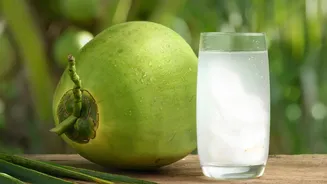
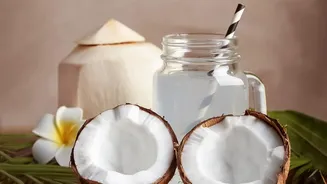
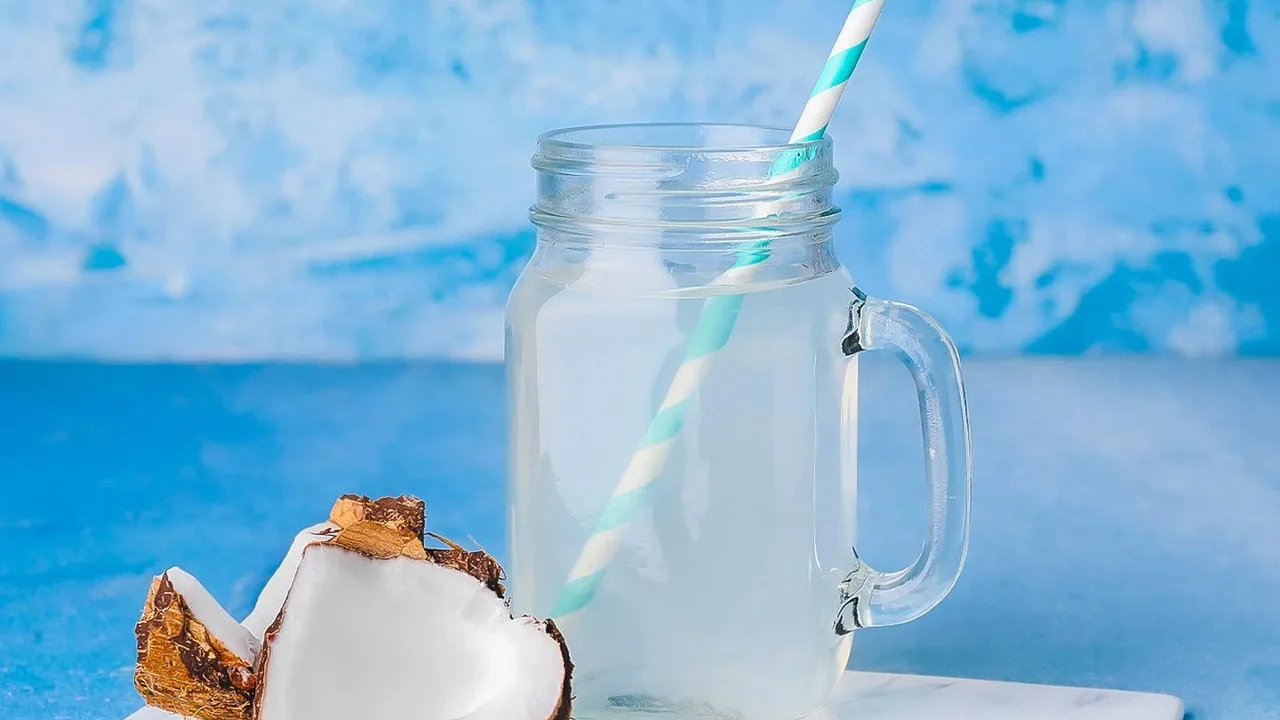
The foundation of this homemade hydrator is coconut water, often called "nature's sports drink". This is for good reason. It is naturally packed with essential electrolytes, most notably potassium. Potassium is crucial for maintaining proper fluid balance, nerve function, and preventing muscle cramps during and after exercise. Unlike many other beverages, coconut water is low in calories and sugar, providing hydration without a heavy, syrupy feeling. Studies have shown it can be as effective for rehydration as commercial sports drinks, making it an ideal base for your recovery beverage.
Rock Salt: The Essential Sodium Boost
When you sweat, you don't just lose water; you lose vital minerals, and sodium is the primary electrolyte lost. Adding a pinch of rock salt, like Himalayan pink salt, helps replenish the sodium your body needs to maintain fluid balance, aid muscle contraction, and prevent issues like muscle cramps. Adequate sodium intake helps your body absorb and retain fluid more effectively, which is critical for rehydration. While coconut water is high in potassium, it is naturally lower in sodium. The addition of salt creates a more complete electrolyte profile, mimicking what your body loses through perspiration.
A Squeeze of Lemon: Flavor and Function
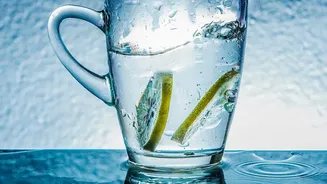
A splash of fresh lemon juice does more than just add a refreshing, zesty flavor. Lemons are a source of vitamin C, a powerful antioxidant that can help reduce exercise-induced inflammation. Lemon juice also contains electrolytes, including potassium, which further supports your body's rehydration efforts. Some people find that adding lemon to water improves its taste, encouraging them to drink more than they otherwise would. This simple addition elevates the drink from a basic hydrator to a flavorful tonic that supports recovery.
The Simple Homemade Hydration Recipe
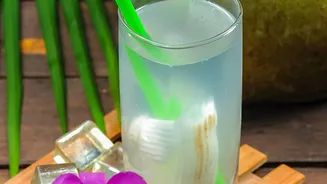
Ready to mix your own? It takes less than a minute. This recipe makes one serving, but you can easily scale it up and store it in the fridge for a couple of days. Ingredients: - 1 cup (about 250ml) of unsweetened coconut water - Juice of half a lemon - A small pinch (about 1/8 teaspoon) of rock salt or sea salt - Optional: 1 teaspoon of raw honey or maple syrup for a touch of natural sweetness and quick energy Instructions: Combine all ingredients in a glass or bottle. Stir or shake well until the salt is completely dissolved. For an even more refreshing experience, serve it chilled or over ice. You can adjust the amount of lemon and salt to your personal taste.
When to Drink for Best Results
This homemade hydration drink is versatile. Drinking it about an hour before a workout can help ensure your body is properly hydrated and your electrolyte stores are topped up. It's particularly effective as a post-workout recovery drink, consumed within an hour of finishing your exercise. This timing helps to quickly replenish the fluids and electrolytes lost through sweat, aiding muscle recovery and reducing fatigue. For prolonged or intense exercise, especially in the heat, sipping on this drink during your workout can also help maintain performance and prevent dehydration.