



The Starting Point: Gangtok and MG Marg
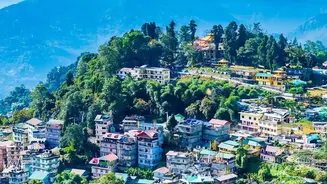
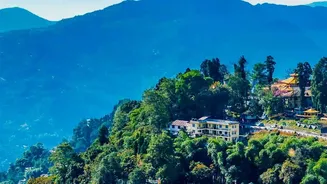
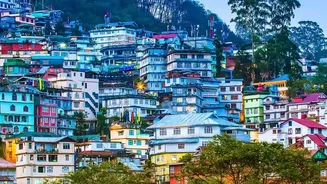
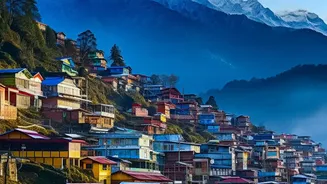
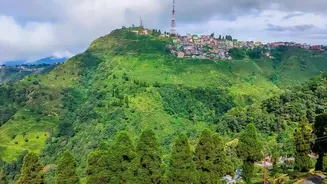
Your adventure begins in Gangtok, the bustling capital perched on a ridge at 1,650 metres. The city's soul is MG Marg, a refreshingly clean, pedestrian-only boulevard. This half-kilometre stretch is free of traffic, litter, and smoke, making it the perfect
place to acclimatise. Lined with benches, fountains, cafes, and shops, it’s where locals and tourists alike gather for an evening stroll. Enjoy the festive atmosphere, grab a coffee at a balcony cafe, or shop for local handicrafts like Sikkimese tea and Tibetan prayer flags. It’s the ideal spot to soak in the town's unique rhythm before your journey deep into the mountains begins.
Day 1: Arrival and Acclimatisation in Gangtok
Arrive at Bagdogra Airport (IXB) or New Jalpaiguri (NJP) railway station. The drive to Gangtok takes about 4-5 hours. After checking into your hotel, spend the evening at a leisurely pace. The best introduction to the city is a relaxed walk along MG Marg. Let the crisp mountain air and the orderly calm of Gangtok wash over you. For dinner, explore the many restaurants on and off the main street, offering everything from authentic momos and thukpa to multi-cuisine fare. A gentle first day is key to adjusting to the altitude.
Day 2: Exploring Gangtok’s Local Gems
Dedicate the second day to exploring Gangtok's rich cultural and natural sights. Start with a visit to Rumtek Monastery, a vast monastic complex that is one of Tibetan Buddhism's most significant centres. Afterwards, visit the Do-Drul Chorten, a large stupa encircled by 108 prayer wheels. For panoramic views of the city and surrounding hills, take a ride on the Gangtok Ropeway. Other popular spots include the Enchey Monastery, Ganesh Tok viewpoint, and the Flower Exhibition Centre, which showcases a stunning variety of orchids and other regional flora.
Day 3: Glacial Tsomgo Lake and Baba Mandir
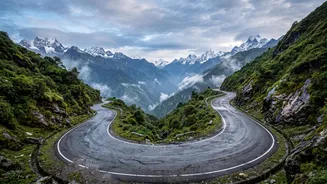
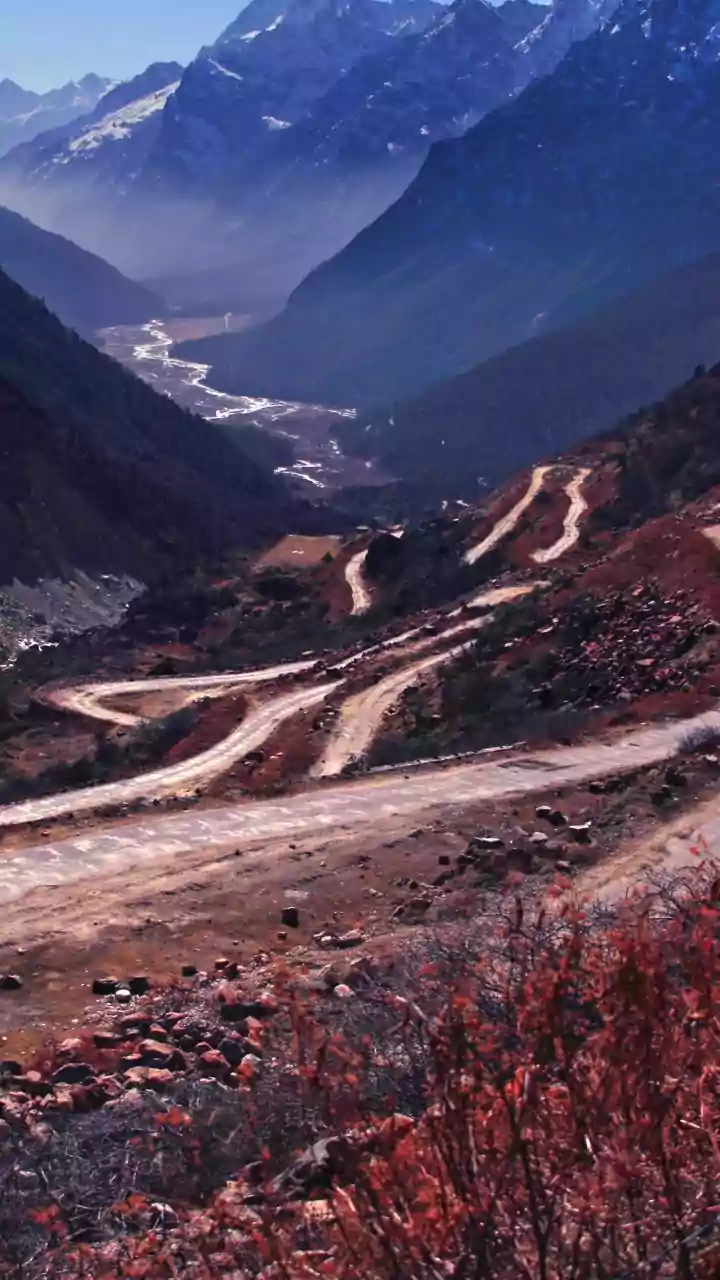
Prepare for a spectacular high-altitude excursion to Tsomgo Lake and Baba Mandir. Tsomgo, or Changu Lake, is a sacred glacial lake situated at about 3,753 metres. Its turquoise waters reflect the surrounding snow-capped peaks, creating a stunning vista. A little further up is Baba Mandir, a shrine dedicated to a revered Indian army soldier. This trip requires a Protected Area Permit (PAP), which must be arranged a day in advance through a registered Sikkim tour operator. Be sure to carry your original photo ID and passport-sized photos. The journey is as beautiful as the destination, with winding roads offering dramatic Himalayan views. Note that Nathula Pass, on the India-China border, is also on this route but is only open to Indian citizens on specific days and requires a separate permit.
Day 4: The Scenic Drive to Pelling
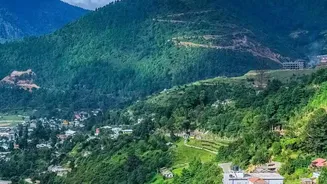
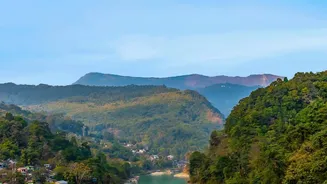
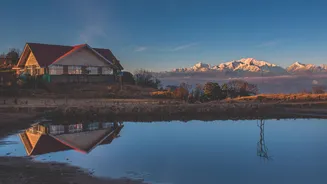
Today, you'll journey from East to West Sikkim, a drive of about 4-5 hours to the town of Pelling. Pelling is famous for its unparalleled, up-close views of Mount Kanchenjunga, the world's third-highest peak. The drive itself is scenic, passing through small villages, terraced fields, and dense forests. Some routes include stops at the magnificent Buddha Park in Ravangla, with its giant statue of the Buddha, and the Namchi Chardham complex. Upon arrival in Pelling, check into your hotel and spend the evening watching the setting sun paint the Kanchenjunga range in hues of orange and pink.
Day 5: Pelling’s Monasteries, Ruins, and Waterfalls
Pelling offers a wealth of attractions. Begin your day with a visit to Pemayangtse Monastery, one of Sikkim's oldest and most important gompas. From there, a short hike through a forested path leads to the Rabdentse Ruins, the archaeological remains of Sikkim's second capital. Another must-visit is the sacred Khecheopalri Lake, believed to grant wishes. For a modern thrill, walk across the Pelling Skywalk, India's first glass skywalk, which offers dizzying views of the valley below. End your day with a stop at the roaring Kanchenjunga Falls.
Day 6: Departure from Sikkim
After a final mountain breakfast, it’s time to depart. The drive from Pelling back to Bagdogra Airport or NJP station takes approximately 5-6 hours. You’ll leave with a camera full of stunning landscapes and a heart full of the peaceful spirit of the Himalayas, carrying memories of pristine lakes, ancient monasteries, and the ever-present, majestic watch of Kanchenjunga.