





From Tourist to Temporary Local
Slow travel is about consciously choosing depth over distance. Instead of racing through seven cities in seven days, this approach encourages staying in one place for longer, sometimes for weeks or months. The goal is no longer just to see a place, but
to understand its rhythm. Recent travel data shows this trend is gaining significant momentum. It involves swapping hotel chains for homestays, savouring home-cooked meals, and learning local crafts. The focus shifts from a blur of monuments to meaningful moments: spending an entire afternoon at a quiet café in Bir, watching the sunset over the Tirthan Valley, or learning about the daily life of the Apatani tribe in Ziro Valley. This approach allows travellers to feel like temporary locals rather than customers, fostering a more authentic connection with the destination.
A Remedy for Modern Burnout
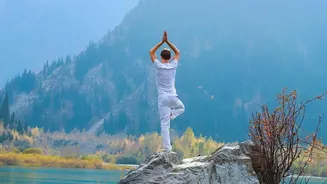
A primary driver of this shift is a collective pushback against digital fatigue and corporate burnout. In a world of constant connectivity and demanding work hours, the traditional, high-energy vacation can often feel like an extension of the stress it's meant to alleviate. Young professionals are increasingly seeking holidays that genuinely allow them to disconnect and recharge. Wellness tourism is now one of the fastest-growing segments, with travellers prioritising mental health, stress management, and digital detoxes. India, with its deep roots in yoga, meditation, and Ayurveda, is a natural hub for this movement, offering everything from structured wellness programs to simple, quiet retreats in nature. Destinations like Rishikesh, Kerala, and the serene mountains of Uttarakhand are becoming go-to spots for emotional and mental healing.
The Freedom of Remote Work
The widespread adoption of remote work since the pandemic has been a major catalyst for the slow travel trend. The flexibility to work from anywhere has untethered a generation of young professionals from their office desks. This has given rise to the 'workation' and the Indian digital nomad, who can blend their professional and personal lives while exploring new locales. With improved internet connectivity and infrastructure in once-remote areas, destinations across the Himalayas and coastal regions are becoming viable for long-term stays. People are setting up temporary workstations in cafes in Manali, homestays in Goa, or quiet corners of Ladakh, proving that a career no longer has to be tied to a single city.
Where India Is Slowing Down
While the slow travel mindset can be applied anywhere, certain destinations have become particularly popular for their unhurried pace. In the north, Himalayan towns like Naggar, Mukteshwar, and Landour in Uttarakhand offer mountain views without the crowds of their more famous counterparts. Himachal's Bir and Tirthan Valley are favourites for those looking to disconnect by the river or in quaint cafes. Down south, the backwaters of Kerala provide a naturally tranquil setting for houseboat journeys and village exploration. Gokarna in Karnataka serves as a quieter alternative to Goa's busy beaches. In the Northeast, places like Majuli in Assam and Ziro Valley in Arunachal Pradesh offer deep cultural immersion. These locations are not about a long list of attractions but about providing a peaceful environment to simply exist and explore at one's own pace.