
The Sweet Burden of Celebration
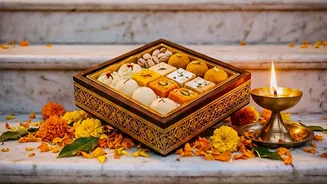
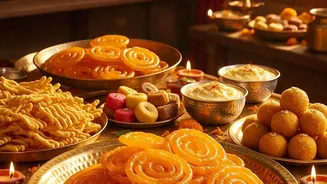
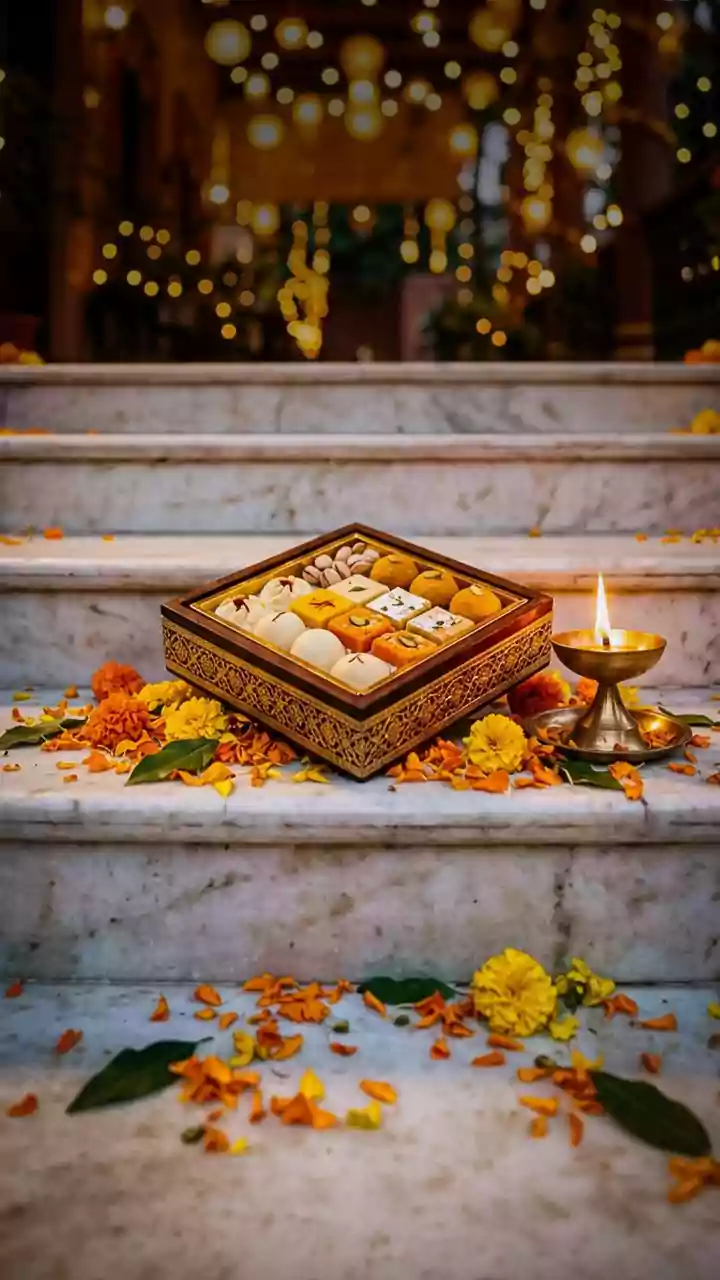
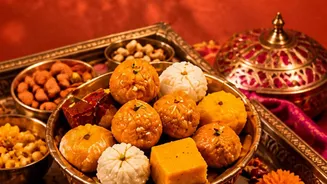
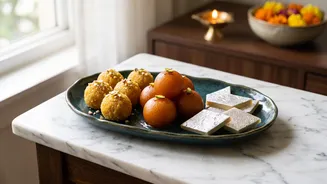
Diwali, the festival of lights, is also a festival of feasting and gifting. It’s a time of generosity, which often translates into an overwhelming surplus of traditional sweets like barfi, laddoos, and kaju katli. While these treats are central to the celebration,
their sheer quantity can lead to a common post-festive problem: waste. In a country where food waste is a significant issue, with millions of tonnes discarded annually, finding a way to preserve these lovingly made or gifted sweets is a responsible and rewarding choice. Throwing them out not only feels wasteful but also discards the effort, resources, and sentiment baked into each piece. Freezing offers a practical and effective alternative, turning a problem of excess into a future treat.
A Guide to Freezable Mithai
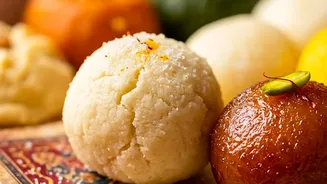
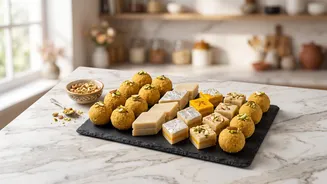
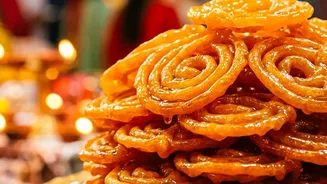
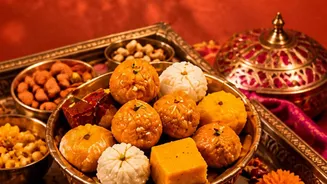
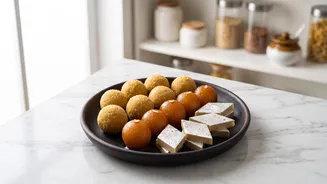
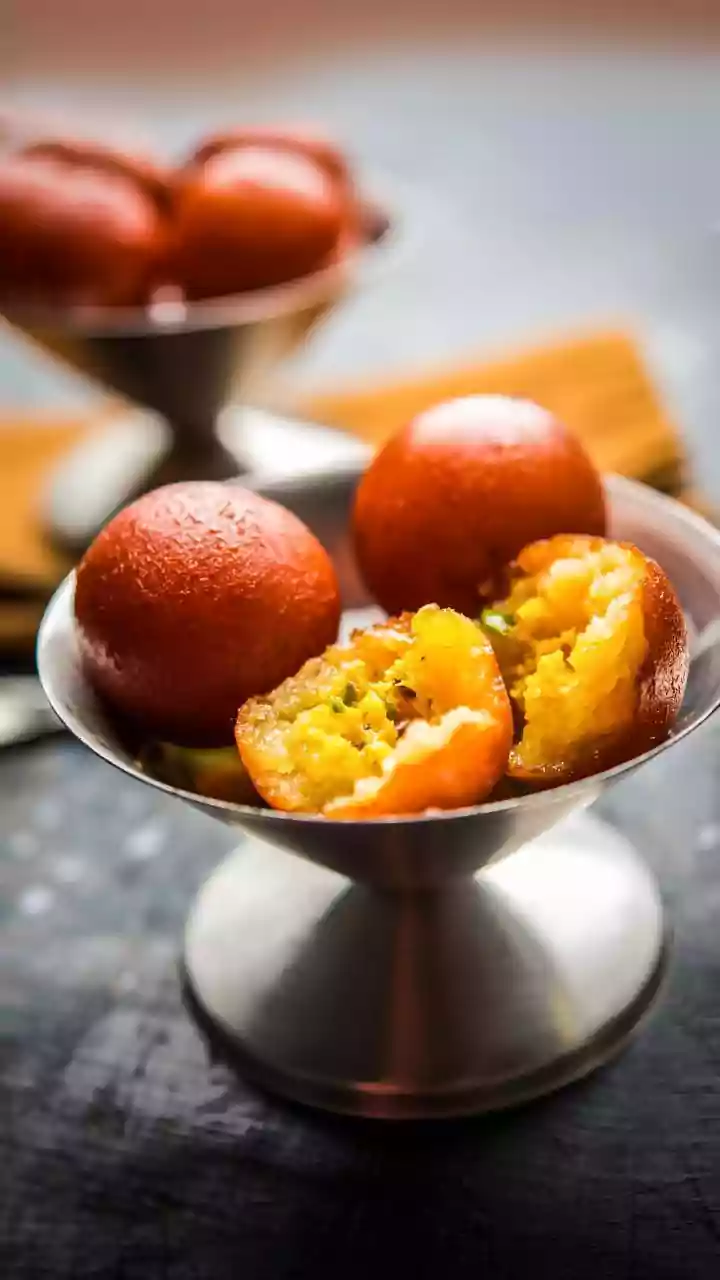
Not all sweets are created equal when it comes to facing the cold. The key is texture and moisture content. Drier, denser sweets are excellent candidates for freezing. Good to Freeze: Barfis (like kaju, besan, or chocolate), laddoos (especially besan or motichoor), and pedas freeze remarkably well. Their low moisture content helps them maintain their structure and flavour after thawing. Bad to Freeze: Syrup-based sweets like gulab jamun and rasgulla are tricky. The syrup can crystallise and ruin the texture, making them grainy. While some suggest freezing gulab jamun before soaking in syrup, it’s often best to enjoy these fresh. Likewise, delicate milk-based sweets with a very short shelf life or those containing fresh fruit should be eaten quickly rather than frozen.
How to Freeze Your Sweets Perfectly
Proper preparation is essential to ensure your mithai emerges from the freezer just as delicious as when it went in. Follow these simple steps: 1. Cool Completely: Never freeze warm sweets. Allow them to come to room temperature first to prevent condensation, which causes ice crystals and freezer burn. 2. Wrap Individually: To prevent pieces from sticking together and to protect them from freezer air, wrap each sweet individually. Use plastic wrap, foil, or butter paper. 3. Use an Airtight Container: Place the individually wrapped sweets in an airtight, freezer-safe container or a ziplock bag. If using a bag, squeeze out as much air as possible before sealing. 4. Label Everything: Mark the container with the name of the sweet and the date it was frozen. This helps you keep track of what you have and use it in time. Most sweets will maintain good quality for one to two months in the freezer.
The Art of Thawing for Best Results
How you thaw your sweets is just as important as how you freeze them. Rushing the process can lead to a mushy, unappealing texture. The best method is to move the container from the freezer to the refrigerator and let the sweets thaw slowly overnight. This gentle transition allows the moisture to redistribute evenly, preserving the original texture. Avoid using a microwave to defrost mithai, as the intense, uneven heat can melt the sugar, make the sweets oily, or turn them into a sticky mess. Once thawed in the fridge, you can let drier sweets like barfi or laddoos sit at room temperature for about 10-15 minutes to soften up before serving.
Get Creative with Your Thawed Treasures
Once your sweets are thawed, you don't just have to eat them as is. Your frozen stash is a fantastic ingredient for quick and impressive fusion desserts. Crumble leftover barfi or peda and use it as a flavourful base for a no-bake cheesecake. Crush motichoor laddoos and layer them with yoghurt or rabri to create a vibrant parfait. You can even blend laddoos with milk and a scoop of ice cream for a decadent milkshake. These creative uses give your festive leftovers a second life and prevent flavour fatigue, making the joy of Diwali sweets last for weeks or even months to come.