



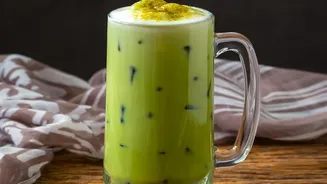
A New Green Wave in the Office Pantry
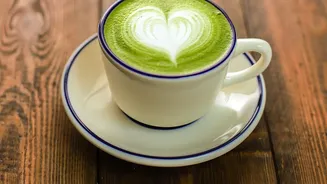
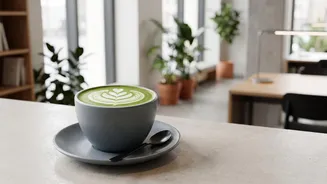
Across India's modern co-working spaces, a subtle but significant shift is underway. The communal coffee machine, long the epicentre of afternoon breaks, is facing competition from a vibrant green powder. Observers and pantry managers note a growing number
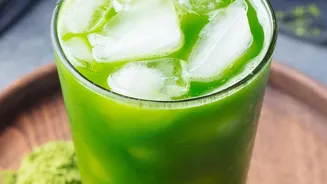
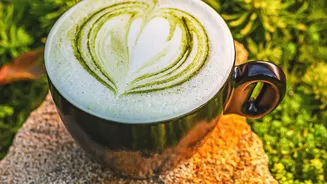
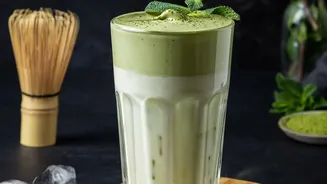
of professionals are opting for matcha lattes and teas to power through their afternoons. This trend is part of a larger boom; India's matcha market is experiencing robust growth, with projections showing a compound annual growth rate of around 8.6% to 9.8%. This surge isn't just a fleeting fad; it reflects a deeper change in how today's workforce, particularly millennials and Gen Z, thinks about energy, productivity, and wellness. While coffee remains a staple, matcha's rise from a niche beverage to a daily ritual for many signals a new chapter in office culture.
Calm Alertness vs. The Coffee Jolt
The core reason for matcha's growing appeal lies in its unique biochemical makeup. Unlike coffee, which delivers a rapid, high-impact dose of caffeine that can lead to jitters and an eventual crash, matcha offers a smoother experience. This is due to the presence of L-theanine, an amino acid that works in synergy with caffeine. L-theanine promotes the production of alpha waves in the brain, the same waves associated with a state of relaxed concentration, often experienced during meditation. This powerful combination provides what users describe as "calm alertness"—a sustained period of focus and energy lasting up to six hours, without the anxiety or heart-racing side effects sometimes linked to a strong espresso. For professionals facing complex tasks that require deep concentration, this promise of jitter-free focus is a compelling reason to make the switch.
More Than Just an Energy Boost
The move toward matcha is also deeply rooted in the broader wellness movement that has swept across urban India. Professionals are increasingly conscious of not just their productivity, but their overall health. Matcha is packed with antioxidants, particularly epigallocatechin gallate (EGCG), which is known for its anti-inflammatory and metabolism-boosting properties. Because you consume the entire ground leaf rather than just an infusion, a single serving of matcha is significantly more nutrient-dense than a standard cup of green tea. This aligns perfectly with a growing desire for functional beverages—drinks that do more than just quench thirst or provide a simple caffeine kick. As the workplace conversation shifts from 'hustle at all costs' to 'sustainable performance', matcha fits in as a tool for both mind and body wellness.
The Changing Culture of Work
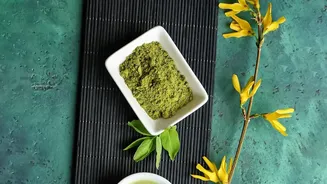
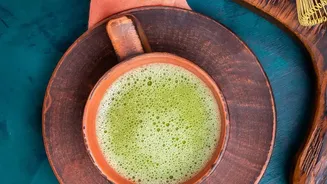
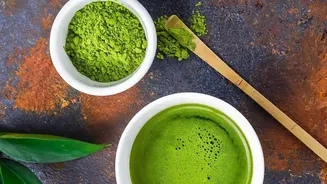
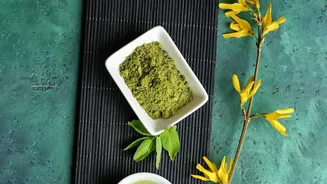
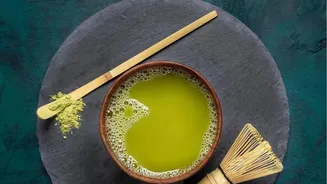
Co-working spaces have always been incubators for new trends, and the beverage choices within them are a reflection of a larger cultural shift. The demand for matcha mirrors the evolution of the ideal modern worker: someone who is not just energetic, but also mindful, creative, and balanced. The ritual of preparing matcha—whisking the powder into a frothy, smooth liquid—also offers a moment of mindfulness in an otherwise hectic workday, a stark contrast to the grab-and-go nature of an instant coffee. Recent Google Trends data from India confirms this shift, showing a 1,300% surge in searches for "how to make matcha" and a breakout interest in the query "matcha vs coffee". This indicates a move from casual curiosity to active adoption and integration into daily routines.
Is the Green Drink Here to Stay?
Despite its rising popularity, coffee is in no danger of being dethroned entirely. For many, the intense, immediate boost of a coffee is exactly what's needed. Furthermore, high-quality matcha remains a premium product, often costing more per serving than its coffee counterpart. However, its availability is rapidly increasing, moving from specialty cafes into mainstream supermarkets and direct-to-consumer online brands. India has even begun producing its own commercial batches of matcha in regions like Assam, a significant development for the country's tea industry. As prices become more competitive and accessibility grows, the choice between coffee and matcha may become a regular feature of the Indian workplace.