






The Power of Collateral: Secured Loans Explained
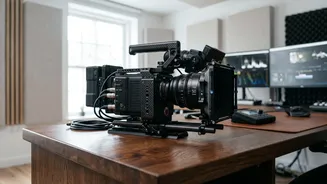
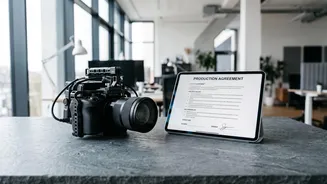
A secured loan is a loan that is backed by a tangible asset you own, known as collateral. In the case of an equipment loan, the collateral is typically the equipment itself. If you are a photographer buying a new camera system or a production house purchasing
new lighting gear, the lender has a legal claim on those physical assets if you fail to repay the loan. This safety net for the lender significantly reduces their financial risk. Because their risk is lower, they are willing to offer more favourable terms, including a lower interest rate and potentially a higher loan amount. In India, interest rates for machinery or equipment loans can range from as low as 8% to around 20% per annum, depending on the borrower's credit profile and the lender.
Financing Ideas: The Unsecured Loan Challenge
An unsecured loan, by contrast, is not backed by any physical collateral. Lenders provide these funds based on their assessment of your creditworthiness, which includes your credit history, business revenue, and projected cash flow. When you seek funding for a digital media project—like developing a new app, producing a podcast series, or launching a web portal—you are essentially asking a lender to finance an idea. The assets being created are intangible; they include things like intellectual property (IP), software code, or digital content. These are much harder to value and sell off if the project fails. This higher risk for the lender is directly passed on to the borrower in the form of higher interest rates, which can range from 16% to 24% or more.
Why Lenders See Risk Differently
A lender's primary concern is the probability of getting their money back. A physical asset, like a high-end video camera or a piece of construction equipment, has a predictable resale market. If a borrower defaults, the lender can repossess and sell the item to recover a significant portion of the outstanding loan. An unfinished documentary or a fledgling software platform does not offer the same security. Its value is speculative and depends entirely on its successful completion and market reception. The Indian media and entertainment sector is growing, but it also faces challenges like digital disruption and uncertain revenue models, which makes lenders cautious. There's no established secondary market for partially completed creative projects, making them a high-risk proposition for traditional debt financing.
Navigating Your Options as a Creator
This difference in lending attitudes doesn't mean funding for digital projects is impossible, but it requires a different approach. While equipment financing is a straightforward asset-backed transaction, financing for intangible projects is more about selling the lender on your business case. You need to present a detailed project plan, robust financial projections, and evidence of market demand. Some lenders are beginning to specialize in financing for intangible assets, recognizing the value of IP, content libraries, and broadcasting rights. These lenders may require a different kind of security, such as a lien over the project's future revenue streams or intellectual property rights. Government initiatives and funds aimed at supporting startups and the creative economy can also provide alternative avenues for capital.
How to Prepare Your Pitch for Any Loan
Whether you're seeking a secured or unsecured loan, preparation is everything. For a secured equipment loan, ensure you have a clear invoice for the machinery, a good CIBIL score (typically 685 or higher), and records of your business's operational history. For an unsecured project loan, your documentation needs to be even more compelling. This includes a strong business plan demonstrating your team's expertise, a clear path to monetization, and a professional valuation of any existing intellectual property. Be prepared for a more rigorous analysis of your company's financial health and cash flow projections. The goal is to build a relationship of trust and convince the lender that your project is a sound investment, even without a physical asset to back it.