


A Welcome Boost in Connectivity
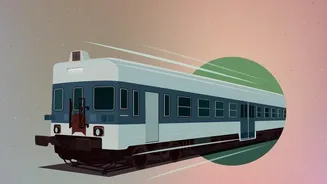
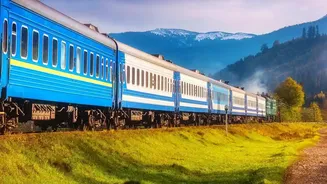
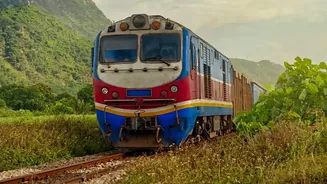
In early August 2026, Indian Railways announced the approval of a new daily express train between Mumbai's Chhatrapati Shivaji Maharaj Terminus (CSMT) and Sawantwadi Road. This service, covering a 510-kilometre route, is a significant addition to the bustling
Konkan corridor. With 22 commercial halts at key stations like Panvel, Ratnagiri, Kankavli, and Kudal, the train is designed to directly benefit a wide array of passengers. Officials state the primary goals are to enhance connectivity for commuters travelling for work, education, and business, while also making it easier for tourists to access the region's attractions. This move is part of a broader strategy by Indian Railways to bolster regional economies and improve travel convenience on one of the country's most scenic routes.
The Enduring 'Last-Mile' Challenge
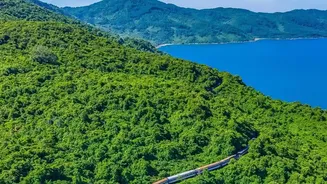
For all its benefits, the new train highlights a long-standing geographical reality of the Konkan Railway. When the line was constructed, it was hailed as an engineering marvel, navigating treacherous terrain of mountains and rivers. To achieve this feat, the track was laid several kilometres inland, running parallel to the Arabian Sea but rarely touching it. This practical decision meant that many of the Konkan coast's most pristine beaches, temple towns, and fishing villages were left without direct rail access. For decades, tourists and locals alike have had to rely on road transport for the final leg of their journey from stations like Ratnagiri or Kudal to popular seaside destinations. This 'last-mile' gap has historically limited the full tourism potential of these coastal gems.
A Renewed Focus on Coastal Tourism
The introduction of the CSMT-Sawantwadi Express is being interpreted as more than just an additional service; it signals a renewed focus on leveraging the railway to drive tourism. The official announcements have explicitly mentioned that the train will improve access to the Konkan's beaches, forts, and temples. This has amplified a conversation that has been simmering for years among local communities, business owners, and tourism advocates. The central question has shifted from simply adding more trains on the existing line to a more ambitious one: how can the railway finally bridge the physical gap to the coast? The new service, by bringing more people into the region, has made this question more urgent and has empowered those advocating for true coastal connectivity.
Unlocking Untapped Coastal Potential
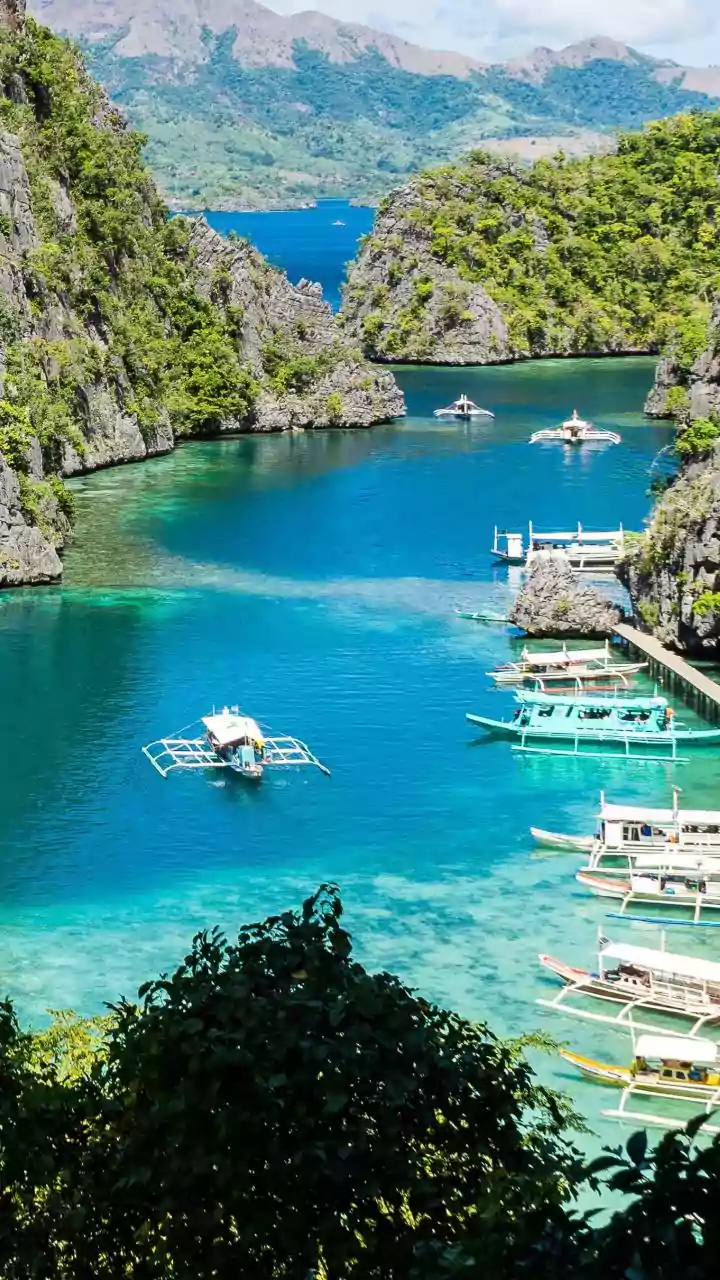
Imagine a future where travellers could board a train in Mumbai and alight just a short walk from the sands of Ganpatipule or the tranquil shores of Tarkarli. This is the vision driving the current discussion. Direct rail links would be transformative for these destinations, which currently depend on a network of state transport buses and private vehicles to ferry visitors from the main railway line. Such extensions, often called spur lines, could create a dedicated tourist circuit, making it seamless to hop between different coastal towns. This would not only enhance the visitor experience but also distribute tourist footfall more evenly across the region, allowing lesser-known but equally beautiful locales to emerge from the shadows of their more accessible counterparts.
The Path Forward: Hurdles and Hopes
Turning this vision into reality is fraught with challenges. The same difficult terrain that forced the original Konkan Railway inland makes the construction of new spur lines a complex and costly endeavour. Issues of land acquisition, environmental clearances, and securing massive funding would need to be addressed. However, there is a sense of optimism. The potential merger of the Konkan Railway Corporation Ltd (KRCL) with the broader Indian Railways network is seen by some as a development that could unlock greater central funding for such ambitious expansion projects. For now, the new daily service to Sawantwadi serves as a powerful proof of concept, demonstrating the immense demand for better connectivity and fuelling the ambition for what could come next.