



How Much Protein Do You Really Need?
Before deciding on supplements, it's crucial to understand your actual protein requirement. The Indian Council of Medical Research (ICMR) provides guidelines tailored for the Indian population. For a healthy but sedentary adult, the recommendation is
about 0.83 grams of protein per kilogram of body weight. This means a person weighing 65 kg needs approximately 54 grams of protein daily. This figure is a baseline and can increase based on factors like age, pregnancy, or physical activity levels. For instance, athletes or individuals engaged in regular strength training may need significantly more, often in the range of 1.4 to 2.0 grams per kilogram of body weight, a level of intake that requires more deliberate planning.
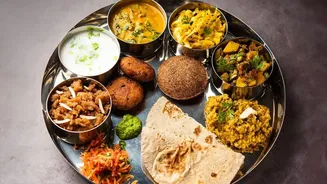
The Power of the Indian Thali
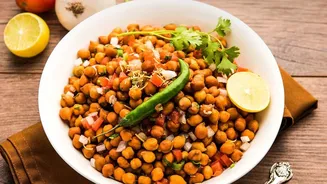
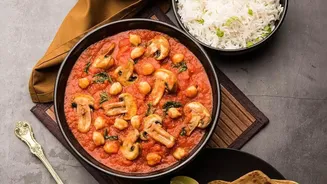
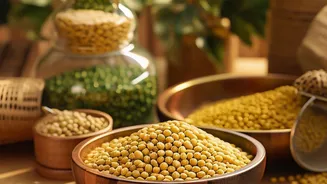
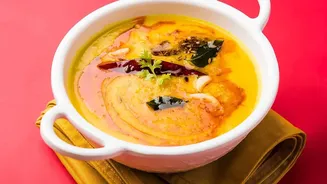
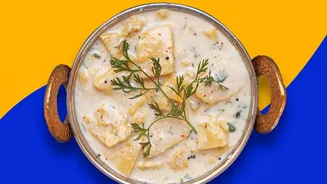
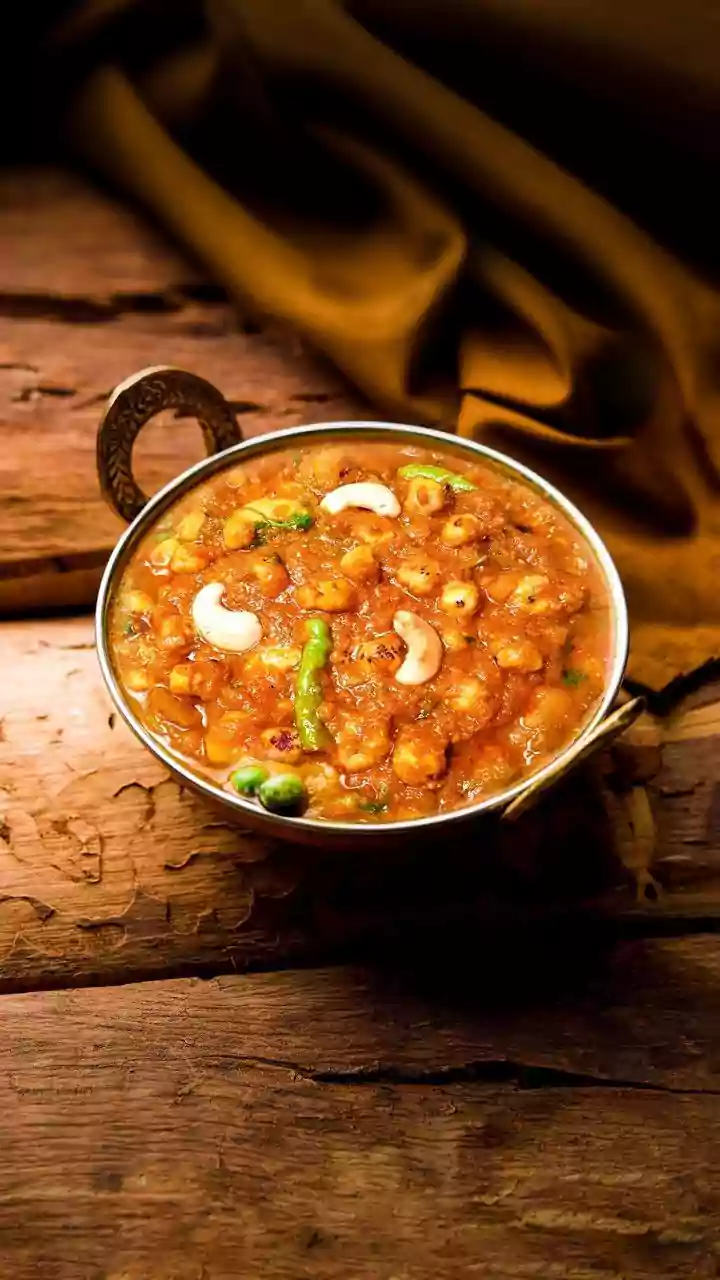
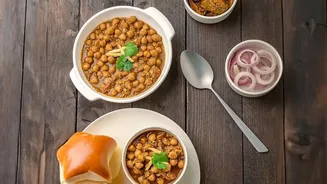
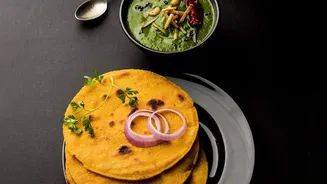
The good news is that a traditional, diverse Indian diet is a powerhouse of protein, often without us even realising it. Our meals are naturally designed for protein synergy. Think about it: dal-rice, roti-sabzi, chole-bhature, and idli-sambar are all classic combinations for a reason. These pairings aren't just about taste; they are a masterclass in nutrition. A single serving of cooked dal can provide 7-9 grams of protein, while a 100g portion of paneer offers around 18-20 grams. When you combine these with curd, nuts, and whole grains throughout the day, the numbers add up quickly. A well-planned vegetarian Indian day can easily provide 50-60 grams of protein, covering the basic needs of most sedentary adults.
Unlocking Complete Proteins in Vegetarian Fare
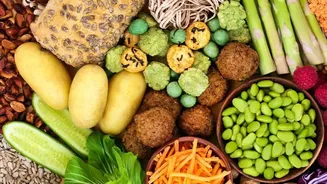
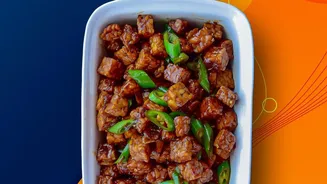
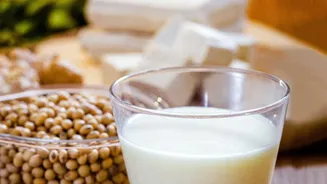
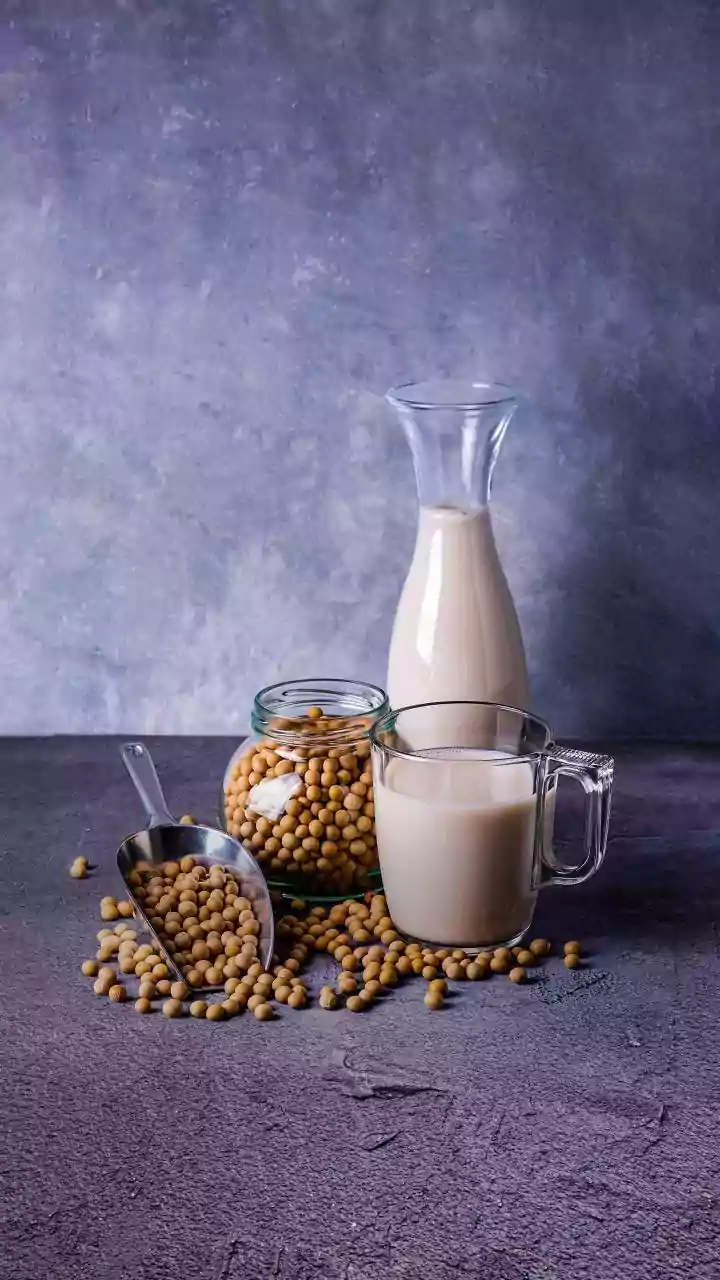
A common concern with vegetarian diets is the concept of 'incomplete' proteins. Most plant-based foods, unlike animal products like milk and eggs, lack one or more of the nine essential amino acids our bodies can't produce on their own. However, Indian cuisine brilliantly solves this through 'protein complementation'. Grains like rice and wheat are typically low in the amino acid lysine but have sufficient methionine. Legumes like dal and chickpeas are the opposite—rich in lysine but low in methionine. By eating them together, as in a meal of dal and rice, you create a complete amino acid profile. Soy products like tofu and soya chunks are exceptions, as they are among the few plant foods that are naturally complete proteins.
When Supplements Might Have a Role
So, if our diet is so well-equipped, is there ever a need for supplements? The answer is yes, but in specific scenarios. For most people, a food-first approach is best. However, supplements can be a convenient tool for those with significantly elevated needs that are difficult to meet through diet alone. This includes elite athletes, bodybuilders, or individuals recovering from certain illnesses. They can also be useful for people with poor appetites or those following a poorly planned vegan diet who struggle to get sufficient protein. The key is to see supplements as a way to 'supplement' a healthy diet, not replace it. Nutritionists advise that if you use powders, they should only be used to bridge a nutritional gap.
A Food-First Philosophy
Both the ICMR and independent nutrition experts generally encourage obtaining protein from whole foods rather than powders. Whole foods offer a complex package of nutrients, including fibre, vitamins, and minerals, that powders lack. Furthermore, recent FSSAI regulations have become stricter regarding protein supplements, responding to concerns about misleading labels, contaminants, and the presence of added sugars or artificial ingredients. Choosing FSSAI-approved products is crucial if you do opt for a supplement. But the primary message from health bodies is clear: focus on diversifying your plate. A meal of dal, paneer, and a bowl of curd is not only delicious but also a highly effective way to fuel your body.