



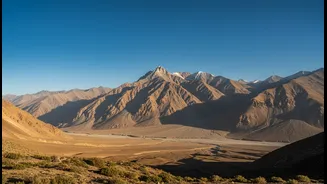
A Paradise on the Edge
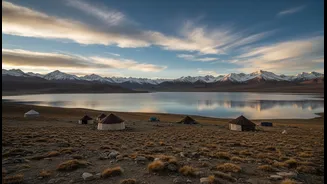
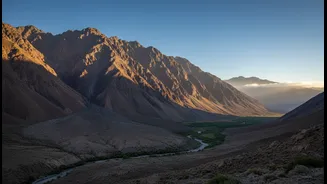
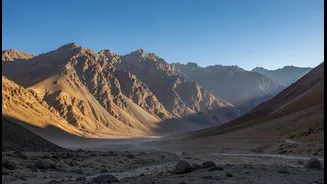
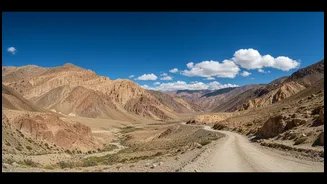
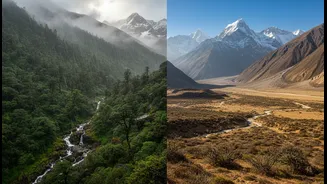
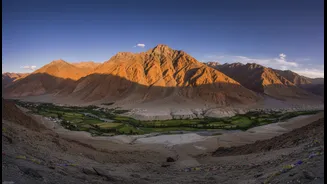
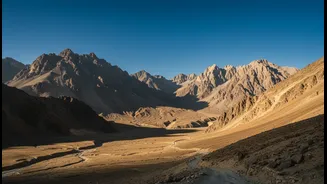
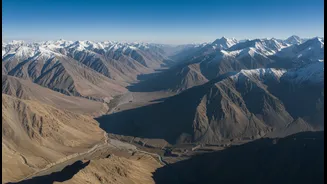
Stretching across eastern Ladakh, the Changthang Wildlife Sanctuary is a place of stark, ethereal beauty. At over 13,000 feet, it is a cold desert where winter temperatures can plummet to minus 40 degrees Celsius. This extreme environment is home to the nomadic
Changpa people, who have coexisted with its fragile ecosystem for centuries, raising the pashmina goats that produce world-renowned wool. The sanctuary is a critical habitat for unique wildlife, including the Tibetan wild ass (Kiang), the elusive snow leopard, and the rare black-necked crane, for which this is India's only known breeding ground. But the very characteristics that make it so unique—its high altitude, arid climate, and sparse vegetation—also make it incredibly vulnerable to human impact. Resources are scarce, and the ecosystem recovers from damage at an excruciatingly slow pace.
The Footprint of Tourism
In recent years, the secret of Ladakh's beauty has gotten out, and tourism has boomed. While this brings economic opportunities, it has also placed an unsustainable burden on the region. The influx of visitors has led to a massive increase in waste, particularly single-use plastics. It's estimated that tens of thousands of plastic water bottles are discarded daily in Ladakh during peak season, a staggering amount for a region with limited waste management infrastructure and virtually no recycling facilities. What isn't collected often ends up burned or dumped, scarring the pristine landscape and polluting the soil and water for decades. Beyond waste, tourists consume vast amounts of water, a precious commodity in this desert, with the average visitor using several times more than a local resident. Furthermore, recent incidents of illegal off-roading—driving vehicles off designated roads into sensitive areas like lake beds and pastures—have caused irreversible damage and disturbed wildlife.
Your Guide to Zero-Impact Travel
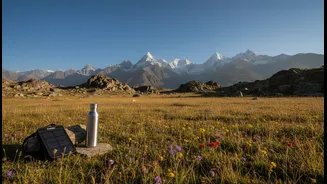
The future of Changthang depends on a collective shift towards responsible tourism. The mantra is simple: leave no trace. This starts with tackling the waste crisis head-on. The single most effective step any visitor can take is to refuse single-use plastics. Carry a reusable water bottle and a portable filter or purification tablets; refill stations are becoming more common in Leh and other areas. Say no to plastic bags and straws. When you buy packaged goods, you become responsible for that packaging. The most important rule is to pack out everything you pack in. This means all your wrappers, bottles, and any other non-biodegradable trash should leave with you. Local authorities have recently instituted a strict ban on single-use plastics with heavy fines, signaling a zero-tolerance approach to pollution.
Beyond Waste: A Lighter Footprint
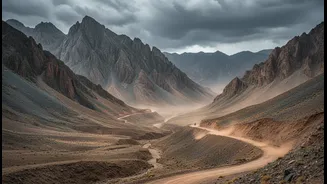
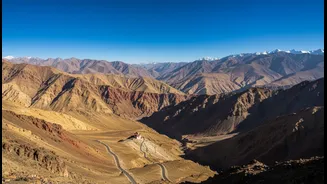
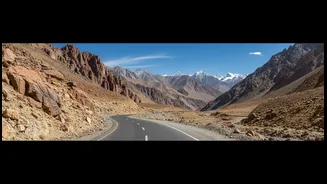
Reducing your impact goes beyond just managing garbage. Conserving water is crucial. Take short showers and be mindful of your usage. Support the local economy in a sustainable way by choosing to stay in traditional homestays. These not only offer a more authentic cultural experience but also have a much lower environmental footprint than large hotels, consuming less water and producing less waste. When exploring, stick strictly to designated roads. The tyre tracks you leave on a fragile meadow can take years to disappear. Respect the wildlife that makes this region so special. Observe animals from a safe and respectful distance, never chase them in vehicles, and do not feed them. Remember that you are a guest in their home.
Respecting Culture and Community
A responsible visitor is also a culturally sensitive one. The Changpa and other Ladakhi communities have a rich heritage that deserves respect. When visiting monasteries or villages, dress modestly, ensuring your shoulders and knees are covered. Always ask for permission before taking photographs of people, especially elders and children. Engaging with the local culture is one of the most rewarding parts of a trip to Changthang. By hiring local guides, eating at local establishments, and buying authentic handicrafts, you ensure that your tourism money directly benefits the community that calls this incredible landscape home.