







From a Daily Ritual to a Lifestyle Statement
For many Indian households, particularly outside the traditional coffee-growing south, coffee was long synonymous with brands like Nescafé and Bru. Introduced in the mid-20th century, instant coffee offered a quick, accessible caffeine fix in a nation
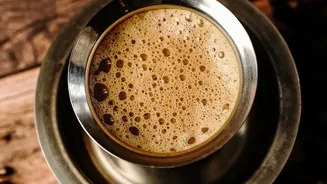
predominantly devoted to tea. It became a staple of convenience, the default choice for a quick morning start or an evening pick-me-up. While South India has a rich history of filter coffee, the rest of the country largely adopted this faster alternative. This functional relationship with coffee, however, is now undergoing a dramatic transformation, driven by the country's younger, urban population. For millennials and Gen Z, coffee is evolving from a simple beverage into an expression of identity, taste, and social consciousness.
The New Wave: What's Driving the Change?
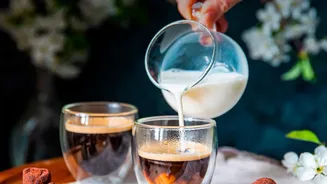
Several factors are fuelling this shift. Rising disposable incomes and increased global exposure have given young Indians a taste for premium experiences. This demographic, which makes up a significant portion of specialty coffee consumers, is more discerning and willing to spend on quality. The rise of social media has also played a crucial role, turning a well-crafted cup of coffee and the aesthetic of a modern café into desirable content. Coffee-related hashtags have seen explosive growth on platforms like Instagram, with a majority of users being under 30. This digital culture transforms coffee from a drink into a lifestyle accessory, a marker of being connected to global trends. The remote work revolution further solidified the café's role as a 'third place'—a hub for work, socialising, and community outside of home and the office.
Decoding 'Specialty' and 'Estate' Coffee
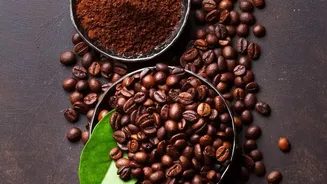
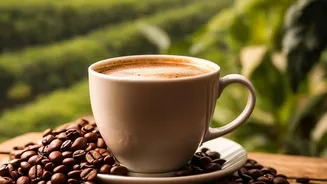
So, what are these newer coffee drinkers choosing? The move is towards 'specialty coffee'. This term refers to coffee made from high-quality beans, often from a single farm or 'estate', where factors like soil, climate, and processing methods create a unique flavour profile. Unlike mass-produced blends, specialty coffee emphasizes traceability—knowing exactly where your beans came from, down to the estate in regions like Chikmagalur or the Araku Valley. This focus on origin, combined with artisanal roasting that highlights the bean's natural notes, results in a more complex and flavourful cup. This movement is also seeing a surge in demand for different brewing methods at home, from French presses to pour-overs, as enthusiasts seek to replicate the café experience.
The Rise of Homegrown Roasters and Cafés
This coffee revolution isn't just about consumption; it's about creation. A vibrant ecosystem of homegrown artisanal brands has emerged, making high-quality Indian coffee more accessible than ever. Roasters like Blue Tokai, Third Wave Coffee, and Araku Coffee have become household names, not only opening aesthetically pleasing cafés in major cities but also selling beans directly to consumers. These brands champion Indian-grown beans, often sourced directly from estates in Karnataka, Kerala, and Tamil Nadu, which together produce the vast majority of India's coffee. This farm-to-cup traceability appeals to conscious consumers who value sustainability and supporting local producers. The success of these chains has paved the way for hundreds of smaller, independent roasteries and cafés, each contributing to a diverse and competitive market.