





A Floral Renaissance
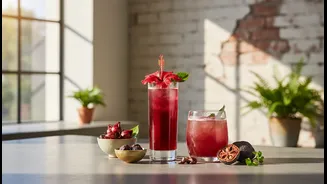
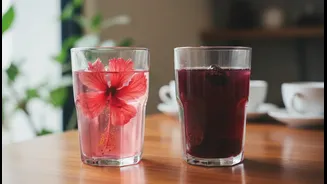
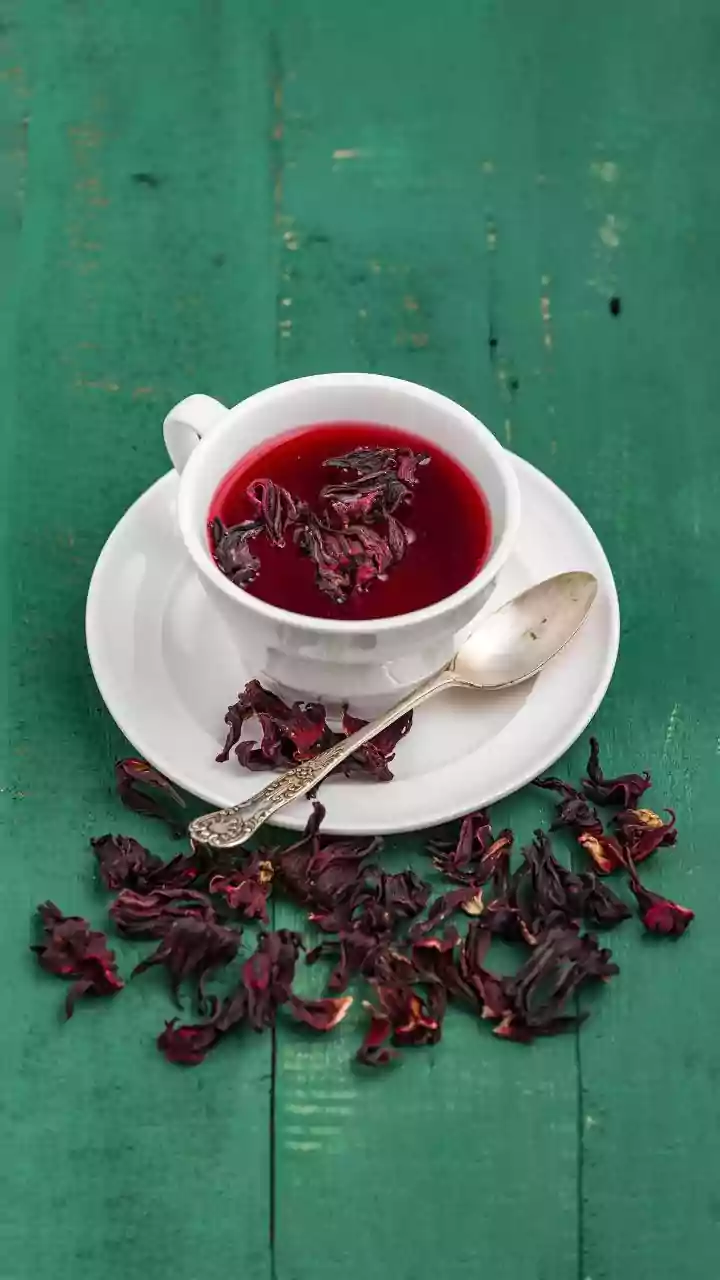
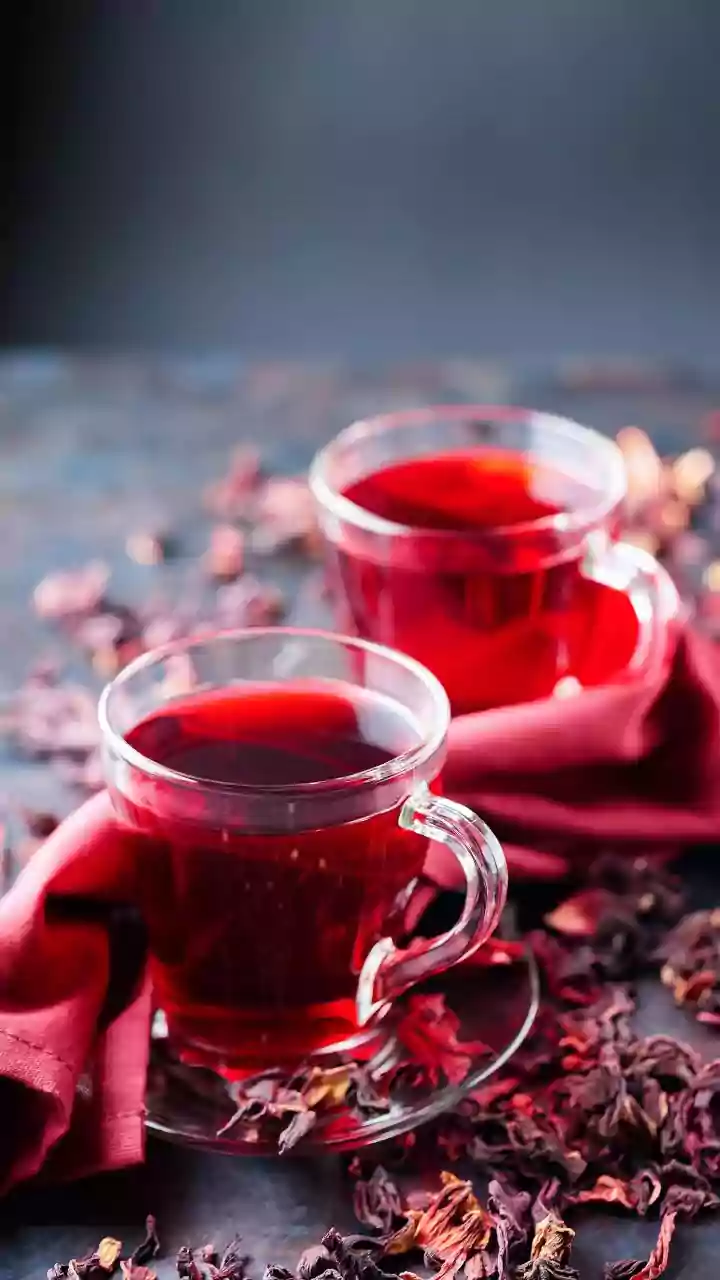
For generations, many Indians have known hibiscus, or 'gurhal', as a simple, tart 'sherbet' made at home, valued for its cooling properties in the summer heat. Traditionally, the dried petals of the roselle plant (Hibiscus sabdariffa) are steeped in water
to create a crimson-coloured, tangy beverage. But the hibiscus showing up in urban cafés today is a world away from that simple brew. It's the star ingredient in a new wave of botanical drinks, where baristas and beverage creators are treating it with the same reverence once reserved for single-origin coffee or fine tea. This movement reflects a larger trend in India towards celebrating local ingredients and reviving traditional flavours in a premium, modern context.
From Garden to Glass
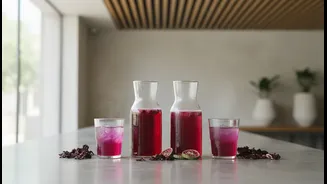
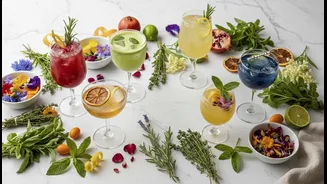
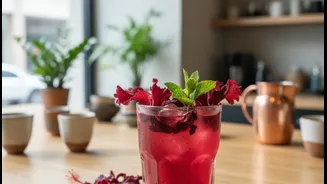
The innovation lies in the technique. Instead of a simple steep, cafés are exploring complex methods to extract and layer the flower's flavour. Cold brewing hibiscus overnight results in a smoother, less acidic concentrate that serves as a versatile base. From there, the creativity unfolds. We're seeing hibiscus-infused syrups blended with spices like ginger and cinnamon, creating a warm, earthy heat that complements the flower's natural tartness. Another popular approach is pairing it with other botanicals like lemongrass, citrus peels, and even lavender, creating complex aromatic profiles. These concoctions move beyond tea, forming the foundation for artisanal sodas, non-alcoholic spritzers, and even sophisticated additions to coffee tonics, offering a layered drinking experience.
The Sober-Curious and Wellness Wave
So, why hibiscus and why now? A big part of its growing appeal lies in the wellness and health-conscious movement shaping India's beverage market. Hibiscus is naturally caffeine-free and rich in antioxidants and Vitamin C, making it an attractive alternative to coffee or traditional sugary sodas. As consumers increasingly seek out functional beverages that offer benefits beyond simple hydration, hibiscus fits perfectly. It also caters to the rising 'sober-curious' trend and the demand for sophisticated non-alcoholic options. Diners want drinks that feel special and crafted, even without alcohol, and a well-made hibiscus botanical offers the complexity, flavour, and visual appeal of a craft cocktail.
Creations Across the Metros
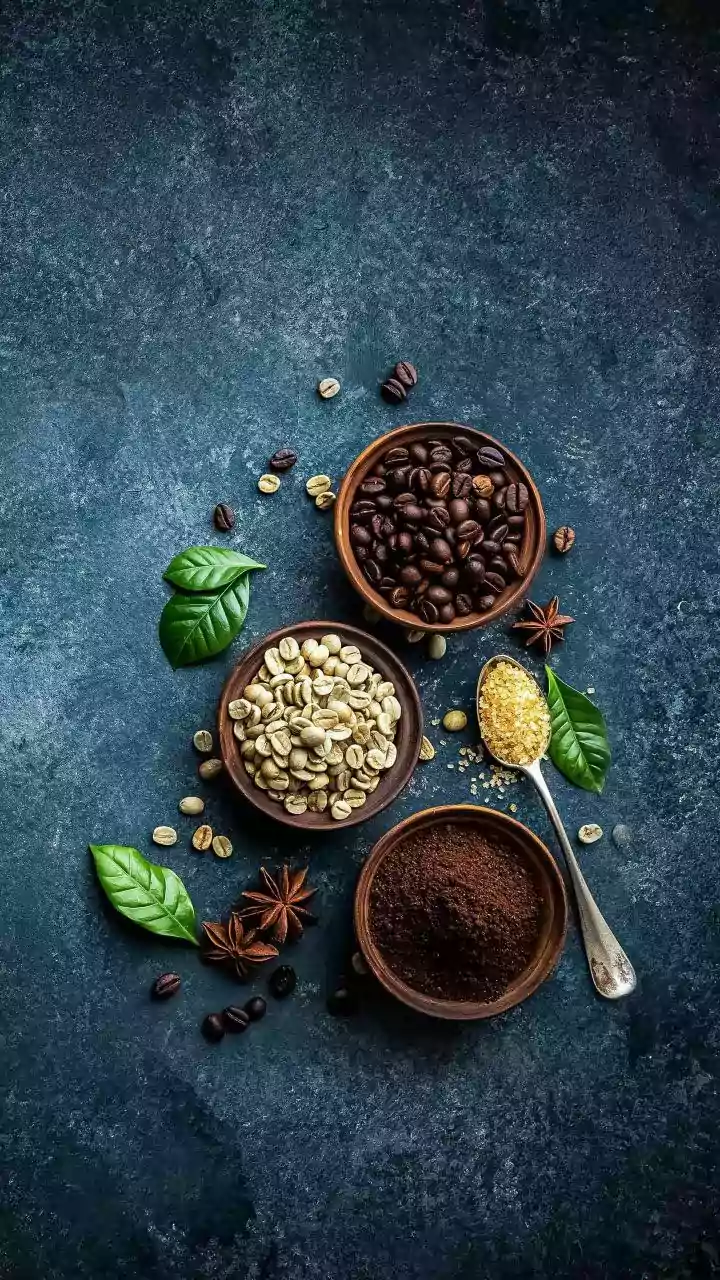
While the trend is widespread, different cities are putting their unique spin on it. In Mumbai and Pune, a local meadery has experimented with a limited-edition Hibiscus Ginger Mead, showcasing the flower's potential in fermented beverages. In Bengaluru, a city known for its vibrant coffee culture, you might find a hibiscus cascara (coffee cherry tea) blend, uniting the worlds of coffee and floral infusions. Cafés in Delhi are creating refreshing hibiscus iced teas with a hint of black salt and mint, tapping into a familiar flavour profile reminiscent of street-side summer drinks. Meanwhile, a floral-themed cafe in Chennai, aptly named Hibiscus Cafe, builds its identity around a tranquil, green ambience where such curated drinks are central to the experience. It’s this blend of global technique with local tastes that makes the trend so dynamic.