


What makes a passport powerful? While most rankings focus solely on visa-free travel, a new index suggests true value lies in a blend of mobility and happiness. The 2026 Happy Passports Index puts Nordic nations on top, but the reasons why are key.
Defining the 'Happy Passport'
Beyond
just counting visa-free destinations, the Happy Passports Index 2026 offers a more holistic view of a passport's power. Published by advisory firm Global Citizen Solutions, this ranking evaluates 50 countries not just on mobility, but on the quality of life within their borders. The index is built on four equally weighted pillars: a country's mobility via its passport, the well-being of its residents based on the World Happiness Report, the degree of personal and civil freedoms enjoyed by its citizens, and its overall prosperity, health, and safety. This creates a unique score that asks a bigger question: what good is a powerful passport if life at home isn't fulfilling? It's this combination that places countries like Finland and Iceland at the forefront.
Finland: Where Happiness and Mobility Meet
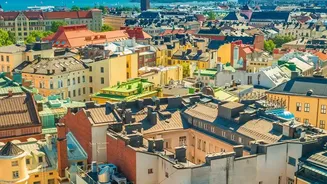
Finland's top position, with a score of 93.2 out of 100, is no surprise to those who follow global quality-of-life metrics. The country has consistently been named the world's happiest in the World Happiness Report for nine consecutive years as of 2026. According to the Happy Passports Index, Finland excels in both well-being and freedom, which are major components of its score. While its passport is incredibly strong, granting access to a vast number of countries, its true advantage in this ranking comes from its high life evaluation scores. This suggests that Finnish citizens not only have the world at their fingertips but also enjoy a secure, free, and satisfying life at home, creating a powerful combination of internal and external opportunities.
Iceland: A Strong Runner-Up
Nipping at Finland's heels is Iceland, with an impressive score of 92.4. The island nation stands out for leading the entire 50-country sample on the 'freedom at home' pillar, a testament to its strong civil liberties. Interestingly, while Iceland's passport is powerful, it doesn't rank as highly for pure mobility as some other European nations. Its high placement in the Happy Passports Index shows that extreme passport power isn't the only route to the top. A country that provides exceptional safety, personal freedom, and a high degree of life satisfaction can offer its citizens a version of passport happiness that rivals nations with slightly greater visa-free access.
The Gap Between Freedom and Travel
The index reveals a fascinating trend: once a certain level of wealth is achieved, happiness correlates more strongly with personal freedom than with passport strength alone. For example, Southern European countries like Spain and Greece have passports comparable in power to their Nordic counterparts but rank much lower on life evaluation. Conversely, some Latin American nations report higher levels of happiness than their income or passport power would suggest. This highlights the core idea of the index: a passport is a tool for choice beyond your borders, but the freedom and well-being you experience at home are what truly define a 'happy' nationality. This is why Nordic countries, which combine both strong passports and high levels of personal freedom, dominate the top of the list.
What About India?
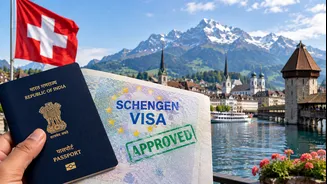
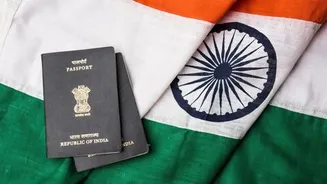
While the Happy Passports Index provides a compelling new way to look at global mobility, it's worth noting that its analysis is limited to a sample of 50 countries, and India was not included in the 2026 edition. However, looking at other major rankings offers some perspective. In the 2026 Henley Passport Index, which measures only visa-free access, India was ranked 75th, with access to 56 destinations. In another report, the Global Passport Index 2026, which includes investment and quality of life metrics, India stood at 125th. These rankings, while different in their methodology, show a consistent picture of a passport with growing potential but still facing mobility limitations compared to the top-tier nations. As India's global influence and economy continue to grow, both its passport power and its citizens' quality of life will be key metrics to watch.