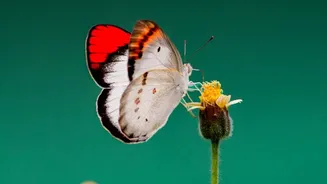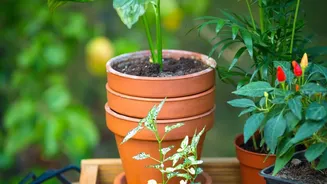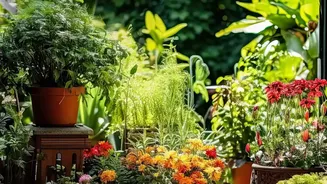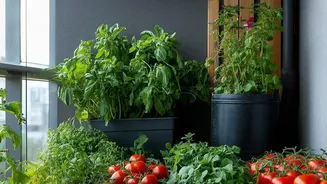





In the concrete landscape of our cities, a small balcony can transform into a bustling nature reserve. With the turning of the seasons, these tiny spaces become crucial stopovers for colourful birds and delicate butterflies on their long journeys.
The Great Seasonal Journey
India
is a crucial location on major migratory routes for countless species. Twice a year, during the spring and autumn, the skies become busy with birds undertaking incredible journeys. Species like the rosy starling travel from Eastern Europe, while others like wagtails arrive from Central Asia. They are driven by ancient rhythms, seeking favourable climates for feeding and breeding. However, growing urbanisation presents new challenges. Cities, with their bright lights and dense construction, can be confusing and dangerous for these travellers. This is where a simple city balcony can make a world of difference, acting as a safe pit stop on a long and difficult journey.
Your Balcony: An Urban Oasis
To a migratory bird or a local butterfly, a well-tended balcony is like a roadside café on a long highway. As cities expand, natural green spaces and wetlands that these species rely on for food and rest are shrinking. A balcony garden, no matter how small, helps create a network of mini-habitats. It offers a vital source of nectar from flowers, fresh water to drink, and shelter from predators and harsh weather. For birds navigating the 'urban heat island' effect, where cities are significantly warmer than rural areas, the shade and resources from a balcony can be a lifesaver, especially during extreme heat.
Meet Your Winged Visitors
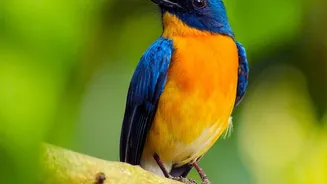
You don't need to live near a forest to enjoy birdwatching. Many common Indian birds are adapting to city life and will happily visit a welcoming balcony. Look out for the glossy purple sunbird with its curved beak, perfectly designed for sipping nectar from hibiscus flowers. You might also spot cheerful red-vented bulbuls, energetic tailor birds, and even the occasional rose-ringed parakeet. Providing a consistent source of food and water encourages these birds to become regular visitors, giving you a front-row seat to their daily lives.
How to Attract Birds and Butterflies
Creating an inviting space is easier than you think. Start by planting a variety of native, nectar_rich flowers. Plants like hibiscus, ixora, marigold, zinnia, and jasmine are excellent choices that thrive in Indian climates and provide a steady food supply. Grouping pots of flowers together makes them more attractive to butterflies. Add a shallow bowl of water with a few pebbles for birds and butterflies to drink from safely. Most importantly, avoid using chemical pesticides, which can be harmful to the very visitors you want to attract. A healthy garden with a few insects is a sign of a thriving ecosystem.
Host Plants: The Secret to a Butterfly Haven
While nectar-'rich flowers provide food for adult butterflies, creating a true sanctuary means thinking about the next generation. Butterflies are very specific about where they lay their eggs, seeking out 'host plants' that their caterpillars can feed on. For example, the Monarch butterfly relies exclusively on milkweed, while the common Mormon butterfly needs a lemon or curry leaf plant. By planting both nectar and host plants, you support the entire life cycle of these beautiful insects, turning your balcony from a temporary café into a true home.