




What Scientists Found in a Chhattisgarh Lake
Scientists from the Birbal Sahni Institute of Palaeosciences (BSIP) in Lucknow have uncovered evidence of an unusually strong and sustained Indian Summer Monsoon period that occurred centuries ago. By studying ancient pollen preserved in the sediment
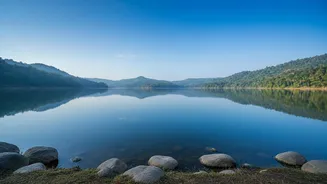
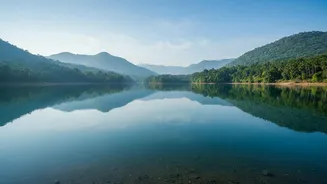
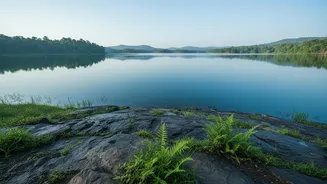
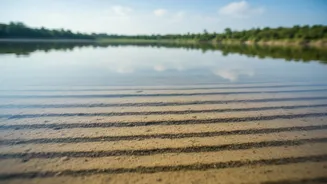
of Raja Rani Lake in Korba district, Chhattisgarh, they found signs of intense rainfall between roughly 1060 and 1725 CE. The research is significant because this area lies in India's Core Monsoon Zone (CMZ), the region that receives the vast majority of the country's annual rainfall and is highly sensitive to monsoon fluctuations. The team extracted a 40-centimetre-long sediment core from the lakebed, which contained a layered history of environmental changes stretching back about 2,500 years.
How Pollen Tells a Story of Ancient Rains
The science of using pollen to reconstruct past climates is called palynology. As plants release pollen, some of it settles in lakes and becomes trapped in the accumulating sediment at the bottom. Each layer of sediment acts like a time capsule. By drilling a core, scientists can analyse these layers and the fossilised pollen within them. Different plants thrive under different climatic conditions. For instance, the pollen of plants that love warm and humid environments suggests a period of strong monsoon rains. Conversely, the prevalence of pollen from grasses and herbs indicates drier phases. In the Raja Rani Lake samples, researchers found a clear dominance of pollen from moist and dry tropical deciduous forest species during the medieval period, pointing to a warm, humid climate sustained by a powerful monsoon.
A Stronger Monsoon During a Global Warm Period
The period of intensified monsoon identified in the study coincides with a global warm phase known as the Medieval Climate Anomaly (MCA), which occurred roughly between 950 and 1250 CE. The findings from Chhattisgarh suggest that during this time, central India experienced a robust monsoon system without evidence of the prolonged dry spells that have been recorded in other parts of the world during the same period. Scientists attribute this enhanced monsoon to a combination of factors, including La Niña-like conditions in the Pacific Ocean, which are typically associated with stronger Indian monsoons. Other contributing factors likely included the northward movement of the Inter-Tropical Convergence Zone (ITCZ), increased solar activity, and higher sunspot numbers.
Why Understanding the Past Monsoon Matters Today
This detailed look into our climate's past is more than just a history lesson; it's a crucial tool for understanding our future. The Indian Summer Monsoon directly impacts the lives and livelihoods of nearly a quarter of the world's population, influencing everything from agriculture to the GDP. By reconstructing past monsoon behaviour, especially during globally warm periods like the MCA, scientists can build more accurate models to predict how the monsoon might behave in our own era of climate change. Understanding the natural variability of the monsoon and the forces that drive it helps to distinguish between natural cycles and human-induced changes. This knowledge is vital for developing strategies to adapt to future shifts in rainfall patterns, manage water resources, and ensure food security for the nation.