


Flat-Leaf vs. Curly
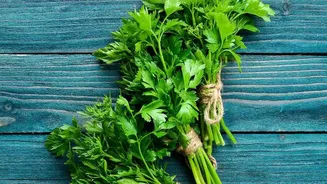
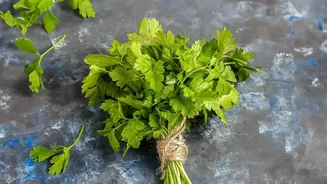
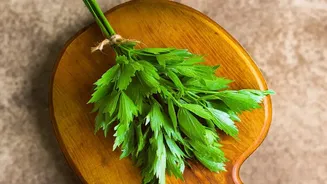
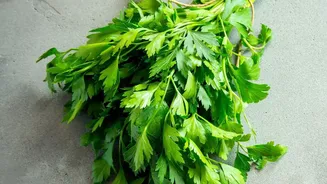
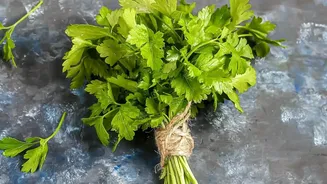
The two most common types of parsley you will find are flat-leaf (Italian) and curly. While they can be used interchangeably in a pinch, they have distinct differences. Flat-leaf parsley has broad, dark green leaves and a robust, peppery flavour that
holds up well in cooked dishes. Its stronger taste makes it the preferred choice for infusing flavour into sauces and stews. Curly parsley, with its ruffled, brighter green leaves, has a much milder, grassier taste. While it was a popular garnish in decades past for its decorative appearance, its flavour is less pronounced, making it better for adding a hint of freshness without overpowering other ingredients.
Elevating the Garnish
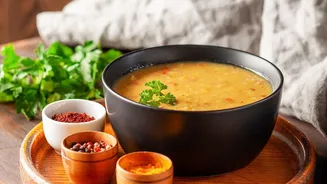
Even as a garnish, parsley can be more than just a sprinkle. For soups, stirring in a handful of roughly chopped fresh flat-leaf parsley at the very end of cooking adds a burst of clean, bright flavour that cuts through richness. A more sophisticated approach is to make a gremolata. This classic Italian condiment is a simple mixture of finely chopped parsley, minced garlic, and lemon zest. A small spoonful of gremolata on top of a hearty lentil soup, a creamy potato and leek soup, or a rich osso buco provides a zesty, aromatic counterpoint that livens up the entire dish.
Don’t Waste the Stems
Tossing out parsley stems is a missed opportunity for flavour. The stems are packed with even more aromatic flavour than the leaves and are perfect for infusing into liquids. One of the best uses for parsley stems is in making stocks and broths. You can add them whole to your stockpot along with vegetable scraps and bones. They release their flavour during the long simmer, adding depth without turning the stock green. You can also tie them with other herbs like thyme into a 'bouquet garni' to flavour sauces and stews, fishing out the bundle before serving.
Parsley as the Main Event
Moving beyond a supporting role, parsley can be the star of the show. Many Middle Eastern and South American cuisines celebrate its bold flavour. Tabbouleh, for instance, is not a grain salad with a bit of parsley, but rather a parsley salad with a bit of bulgur. Another star recipe is chimichurri, an Argentinian sauce made from a base of finely chopped parsley, garlic, olive oil, oregano, and red wine vinegar. This vibrant, uncooked sauce is a classic accompaniment to grilled meats but is also fantastic on roasted vegetables or fish.
From Pesto to Salads
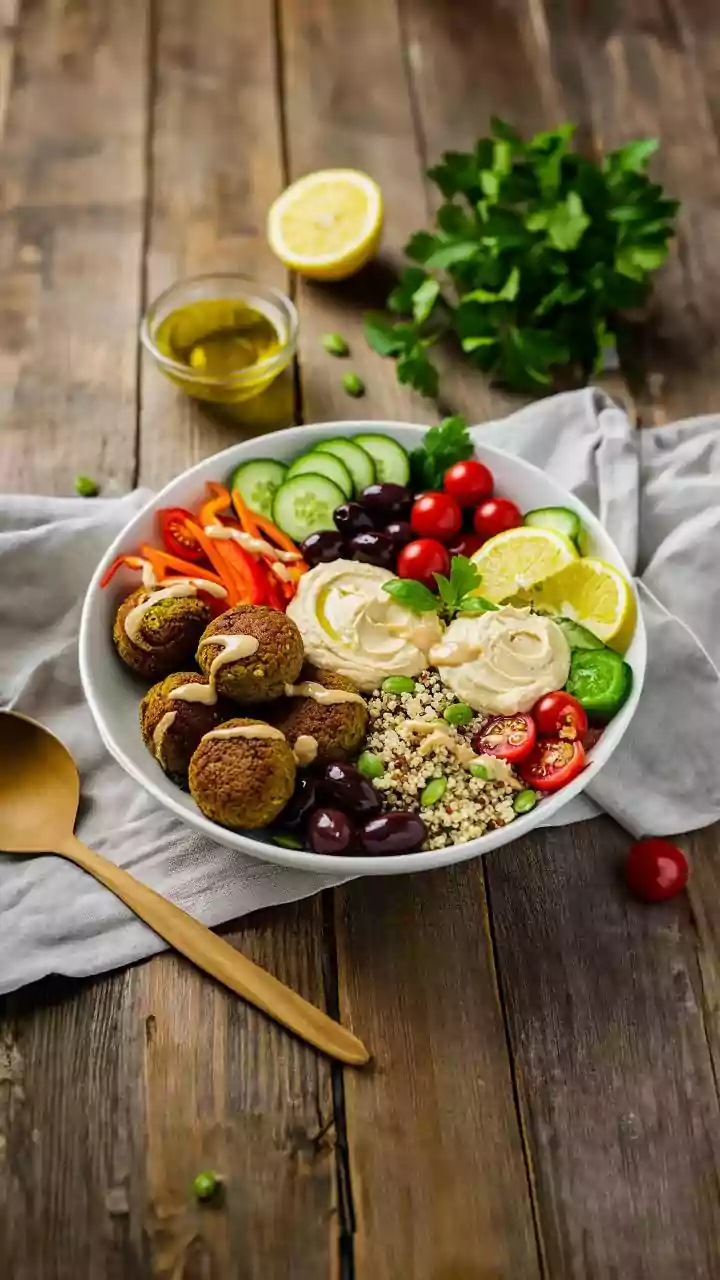
Parsley makes an excellent, peppery alternative to basil in pesto. You can blend it with garlic, nuts like walnuts or almonds, Parmesan cheese, and olive oil for a versatile sauce that is perfect with pasta, spread on sandwiches, or mixed into chicken salad. Its fresh, clean taste also shines in simple salads. An Israeli salad, for example, features finely chopped parsley alongside cucumber, tomatoes, and onion in a bright lemon dressing. For something heartier, combine it with grains like quinoa and other fresh herbs for a filling and nutritious meal.
How to Keep it Fresh
To get the most out of your bunch of parsley, proper storage is key. One of the most effective methods is to treat it like a bouquet of flowers. Trim the ends of the stems, place the bunch in a jar with an inch or so of water, and cover it loosely with a plastic bag before placing it in the refrigerator. This method can keep parsley fresh for over a week. You can also wrap the parsley in a damp paper towel and store it in a sealed bag in your fridge's crisper drawer. For long-term storage, you can finely chop parsley and freeze it in ice cube trays with a bit of water or olive oil.