









A Simple Idea with a Big Heart
In lanes from Mumbai to Delhi, small, unassuming cardboard boxes are appearing, often tucked away near a building corner or under a shop awning. These are more than just discarded packaging; they are purposefully designed shelters for community cats.
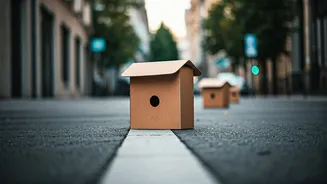
Dubbed 'cardboard condos', this grassroots movement sees animal lovers and community members creating safe, temporary homes for the strays they care for. The concept is brilliantly simple: a sturdy cardboard box, perhaps lined with old newspapers or a warm cloth, with a cutout entrance. Some are even weatherproofed with plastic sheets or tape. It’s a low-cost, high-impact solution that provides a critical shield against harsh sun, pouring rain, and chilly winter nights.
More Than Just a Shelter
While providing warmth and safety is the primary goal, these cardboard condos serve a much larger purpose in urban animal management. By creating designated safe spots, they help bring order to the often-chaotic lives of street animals. It becomes easier for caregivers to locate the cats for daily feeding and to monitor their health. This consistency is crucial. When cats have a regular spot, it simplifies the process for animal welfare organisations to implement Trap-Neuter-Return (TNR) programmes. Sterilisation is the most humane and effective method of controlling the stray population, and having a predictable location for the cats makes the 'trap' part of the equation significantly less stressful for both animals and volunteers. These condos, therefore, become central hubs for holistic community cat care.
The Power of Community Action
What makes this trend so powerful is that it is not a top-down government initiative. It’s a testament to citizen-led change. Resident Welfare Associations (RWAs), student groups, and individual animal lovers are the architects of this movement. Fuelled by social media, where DIY shelter designs and success stories are shared widely, the idea has spread organically. Groups like 'Cat People of Bombay' and countless other local feeders and rescuers share tips on creating durable, safe structures. This decentralised approach means that solutions can be tailored to the specific needs of a neighbourhood. It’s a story of empowerment, showing that anyone with a spare box and a bit of compassion can make a tangible difference in an animal's life and contribute to their community's well-being.
Overcoming Practical Hurdles
Of course, a cardboard box is not a permanent fixture. Durability is the main challenge, especially during the monsoon season. However, the communities behind these initiatives have developed clever workarounds. Many builders apply a layer of wax or wrap the boxes securely in thick plastic tarps to repel water. Some place the boxes on small wooden planks or bricks to keep them off the damp ground. The inherent low cost of cardboard also means that replacing a damaged shelter is easy and affordable. This adaptability is key to the model's success. The goal isn't to build a fortress, but to provide consistent, reliable shelter that can be maintained with minimal resources, proving that perfect can be the enemy of good.
Building a More Compassionate City
Ultimately, the rise of the cardboard condo is about fostering better coexistence between humans and animals in our increasingly crowded urban spaces. When cats have a designated shelter, they are less likely to seek refuge in potentially hazardous or inconvenient places, such as inside car engines, on top of vehicles, or in residential basements. This reduces potential points of conflict with residents who may not be comfortable with animals. It’s a proactive step that builds a bridge of understanding, replacing annoyance with organised care. Each condo is a small symbol of a larger shift in mindset—from seeing stray animals as a nuisance to recognising them as fellow inhabitants of our shared environment who deserve kindness and consideration.