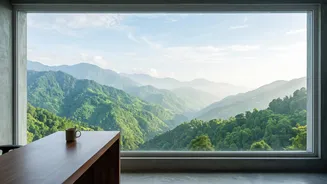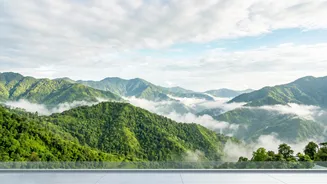





The New Himalayan Headquarters
For years, the work-from-mountains fantasy was dominated by destinations in Himachal Pradesh or Uttarakhand. But a new contender has quietly emerged as the frontrunner for discerning remote workers. Gangtok, once known primarily as a tourist gateway,
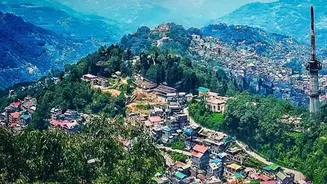
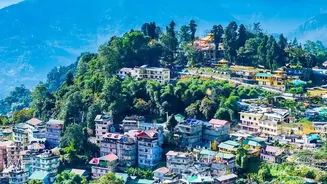
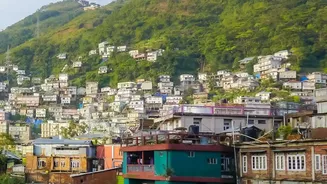
is rapidly transforming into a dynamic hub for digital nomads. The city offers a unique proposition: a clean, organised, and modern urban environment nestled within the breathtaking beauty of the Eastern Himalayas. Professionals are increasingly choosing Gangtok not just for a short escape, but for extended stays, drawn by a balance of productivity and peace that is hard to find elsewhere.
The All-Important Connectivity Question
For any tech professional, the first and most critical question is about internet speed. This is where Gangtok truly delivers, setting it apart from other mountain towns. The city boasts reliable 4G connectivity from major providers like Jio and Airtel, ensuring that video calls and large file transfers go smoothly. Beyond mobile data, the infrastructure for high-speed broadband is growing. A clear sign of this digital maturation is the rise of dedicated co-working spaces. For instance, Sanctorum, the city’s first formal coworking hub, offers fibre optic internet with speeds up to 200 Mbps, private meeting rooms, and even a podcast studio, catering specifically to the needs of remote professionals who require enterprise-level stability.
A Community Beyond the Cafe
While working from a cafe with a view is appealing, a sustainable workation requires a sense of community. Gangtok is excelling at fostering this. The city’s famous MG Marg, a pedestrian-only boulevard, is lined with modern cafes that have become informal work zones and networking spots. But the ecosystem runs deeper. A variety of work-friendly hostels and guesthouses actively cater to digital nomads, providing not just a place to sleep, but a community of like-minded individuals. These spaces, along with formal coworking hubs, are becoming melting pots for coders, writers, designers, and entrepreneurs, creating an environment where collaboration happens as naturally as the evening stroll.
The Economics of Mountain Living
One of the most compelling reasons for Gangtok's popularity is its affordability. Compared to the soaring rental and living costs in metropolitan hubs like Bengaluru, Mumbai, or Delhi, Sikkim's capital offers significant financial relief. The monthly cost of living for a single person is a fraction of that in a major city, making long-term stays of several months not just possible, but practical. This lower cost of living does not come at the expense of quality of life. In fact, it enhances it, allowing remote workers to save money while enjoying cleaner air, organic local food, and a less stressful pace of life.
Work-Life Balance, Himalayan Style
The true magic of a Gangtok workation reveals itself after the laptop is closed for the day. The city serves as a perfect base for exploring the rich culture and natural wonders of Sikkim. Weekends can be spent visiting serene monasteries like Rumtek, taking a short drive to the stunning Tsomgo Lake, or embarking on breathtaking treks with views of Kanchenjunga. The city itself is known for its exceptional cleanliness, safety, and tranquil atmosphere, providing a restorative environment that boosts both creativity and well-being. It is this seamless integration of productive workdays and adventurous weekends that defines the Gangtok experience.
A Glimpse into the Future: The Nomad Village
Gangtok's rise is part of a larger, deliberate push by Sikkim to become a premier destination for remote work. Just a short drive away, in Yakten village, the state has launched India's first official 'Digital Nomad Village'. This pioneering government-supported project provides homestays run by local families, all equipped with high-speed internet, power backup, and dedicated workspaces. While Gangtok serves as the bustling urban core, the success of initiatives like Yakten underscores a regional commitment to building a sustainable ecosystem for remote professionals. It signals that this trend is not a fleeting moment but a long-term vision for the future of work in the region.