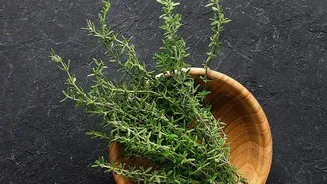





The aromatic promise of fresh thyme is a delight for any home cook. But keeping this Mediterranean herb happy indoors can be tricky. The single biggest mistake is providing too much love in the form of water, leading to its number one enemy: root rot.
The Foundation: Well-Drained Soil
Thyme is native to the dry, rocky hillsides of the Mediterranean, and the key to its survival is mimicking that environment. Its roots absolutely cannot tolerate sitting in water. Overwatering is the most common reason indoor thyme plants fail. The solution begins with the soil. You need a mix that allows water to pass through quickly, preventing the roots from becoming waterlogged. Standard potting soil is often too dense and retains too much moisture. Instead, opt for a cactus or succulent mix, which is specifically formulated for drainage. You can also create your own by amending a regular potting mix with coarse sand, perlite, or small gravel to increase aeration and prevent compaction. This ensures that even when you do water, the excess can escape freely, keeping the roots healthy and rot-free.
Choosing the Right Pot
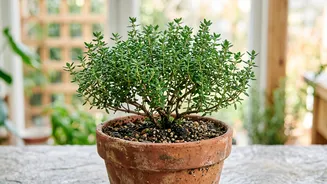
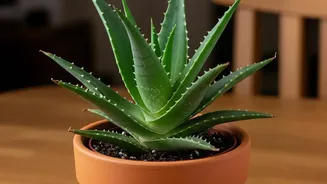
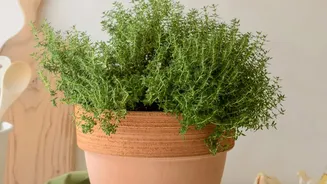
The right container is just as crucial as the soil inside it. The most important feature of any pot for thyme is drainage holes—this is non-negotiable. Without them, water will pool at the bottom, guaranteeing root rot no matter how good your soil is. Terracotta or clay pots are an excellent choice because the porous material naturally wicks excess moisture away from the soil, helping it dry out more evenly between waterings. If you use a plastic pot, which holds moisture longer, ensure your soil mix is extra gritty and be even more cautious with your watering habits. Choose a pot that is wider than it is deep, as thyme's root system tends to spread horizontally.
Watering: Less Is More
Thyme is drought-tolerant, meaning it prefers to be underwatered rather than overwatered. The best practice is to wait until the soil is completely dry before watering again. A reliable method is the 'finger test': poke your finger about an inch or two into the soil. If it feels dry, it's time to water. When you do water, do so thoroughly until you see it run out of the drainage holes. Then, empty any excess water from the saucer beneath the pot. Indoors, this might mean watering only every 7 to 10 days, or even less in cooler, lower-light months. Unlike other herbs that wilt dramatically when thirsty, thyme gives few visual cues, so relying on soil dryness is your best guide.
Let There Be Ample Light
After proper drainage, sunlight is the next most critical ingredient for a happy thyme plant. Thyme needs a lot of light to thrive and develop the essential oils that give it its signature flavour and aroma. Indoors, this means placing it in the sunniest spot you have, ideally a south-facing window that receives at least six hours of direct sunlight per day. If your plant's stems become long, sparse, and 'leggy', it's a clear sign it's not getting enough light. If you don't have a sufficiently sunny window, especially during winter, consider supplementing with a full-spectrum grow light for 12 to 16 hours a day.
Pruning for Health and Harvest
Regular pruning is essential to keep your thyme plant bushy, compact, and productive. Simply harvesting sprigs for cooking serves as a light pruning. When you harvest, snip the fresh, green stems just above a leaf node (where leaves emerge from the stem). This encourages the plant to branch out and produce more growth. Avoid cutting into the tough, woody base of the plant, as it may not regrow from old wood. Regularly trimming also prevents the plant from becoming too straggly and encourages the production of flavourful leaves over flowers. If the plant does flower, pinching off the blooms can help redirect energy back into foliage growth.