


A Stalemate That Felt Like a Victory
On paper, a drawn series is just that. Yet, for this West Indies side, forcing a 2-2 result on Indian soil is a monumental achievement. For decades, the Caribbean team has been a shadow of its former self, often struggling against top-tier nations. This
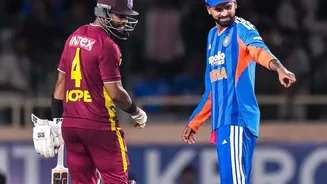
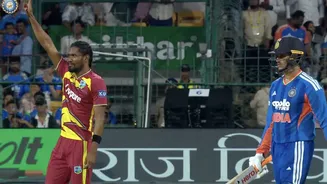
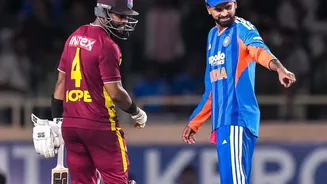
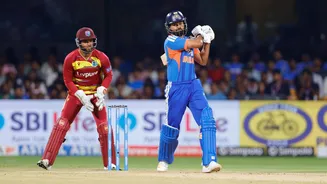
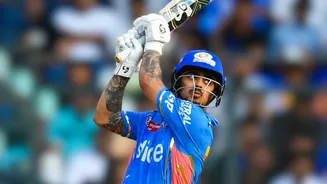
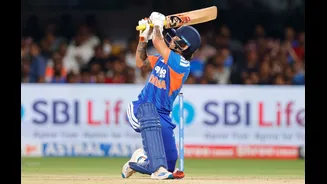
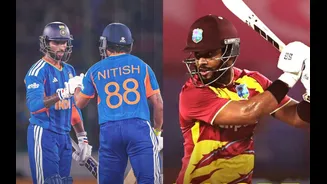
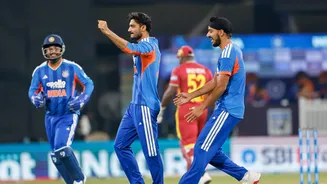
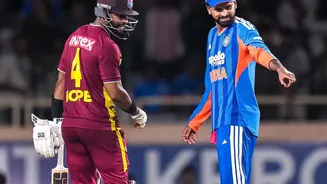
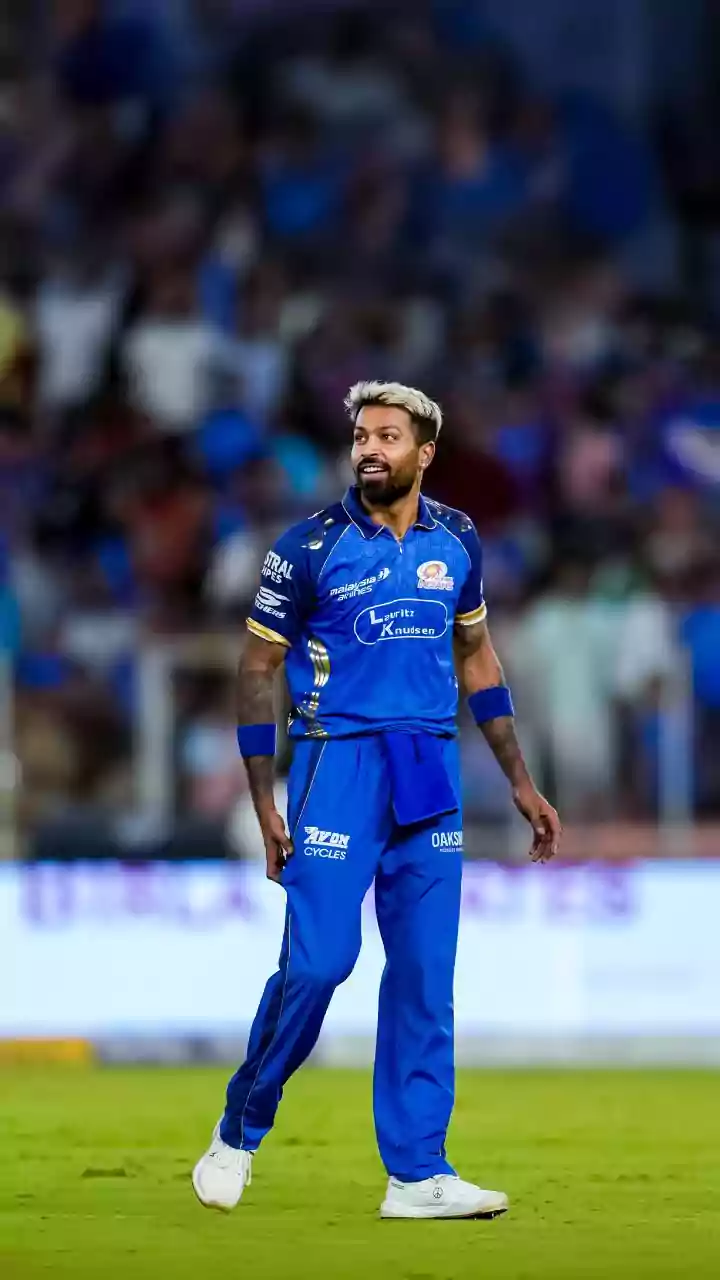
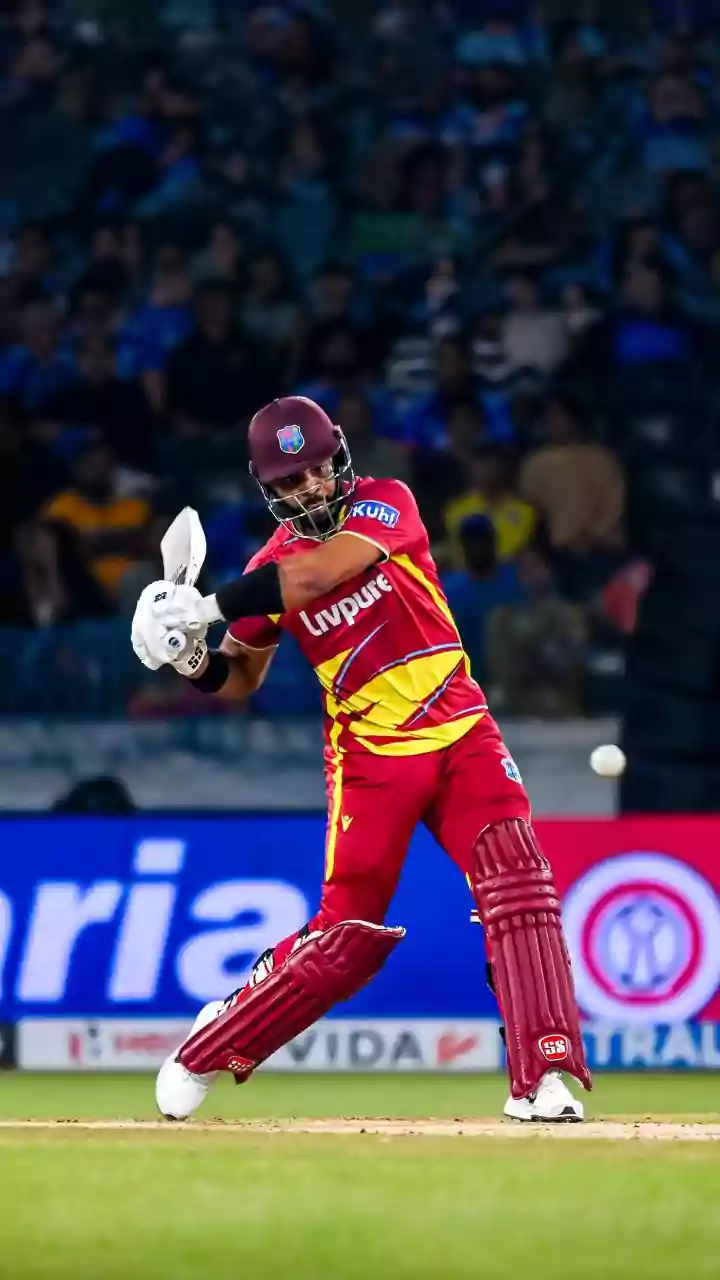
highly competitive series, however, was different. Led by the inspirational Shai Hope, who was named Player of the Series, the West Indies went toe-to-toe with the formidable Indian lineup. They chased down mammoth totals and showed a level of fight and consistency that has been sorely lacking. The series was marked by explosive batting on both sides, with an incredible number of sixes clearing the ropes. While India ultimately secured the ODI series 2-1, the T20I result has sparked a familiar, hopeful question: is the sleeping giant of cricket finally beginning to stir?
Remembering the Reign of the 'Calypso Kings'
To understand the hope, one must first understand the glory. From the mid-1970s through the early 1990s, the West Indies were not just the best cricket team in the world; they were an empire. Captained by the stoic Clive Lloyd, they won the first two Cricket World Cups in 1975 and 1979. Their dominance in Test cricket was even more absolute. For 15 years, from 1980 to 1995, they did not lose a single Test series. This was the era of legends: the swaggering master blaster Sir Vivian Richards, the impenetrable opening pair of Gordon Greenidge and Desmond Haynes, and a seemingly endless assembly line of fearsome fast bowlers like Michael Holding, Malcolm Marshall, Joel Garner, and Andy Roberts. They didn't just beat opponents; they intimidated and dismantled them with a brand of cricket that was both terrifying and thrilling.
The Long, Painful Decline
The fall from grace was gradual and then sudden. The retirement of the golden generation left a void that proved impossible to fill. Structural issues, including player-board disputes, inconsistent funding, and the magnetic pull of lucrative T20 franchise leagues, drained the national team of its best talent. The rise of sports like football and athletics in the Caribbean also diverted youngsters away from cricket. The results told the story: a failure to qualify for major tournaments like the 2023 ODI World Cup and a string of humbling defeats became the new norm. The pride and unity that cricket once fostered across the islands seemed to fracture, leaving fans with only memories of past dominance.
Green Shoots of a Revival?
This is why the 2-2 draw in India feels so significant. It wasn't a fluke. It was built on tangible progress. Shai Hope's leadership and phenomenal run-scoring provided a solid anchor. But beyond one star player, the team showed tactical flexibility and a collective fighting spirit. The bowling attack, a historical strength, showed signs of improvement, adapting to Indian conditions and finding ways to take crucial wickets against a powerful batting lineup. Players like Keemo Paul and the emerging Shamar Springer made vital contributions. West Indies head coach Daren Sammy noted that the team had regained confidence, proving they could compete. While legends like Sir Curtly Ambrose have have expressed doubt that the team can ever reclaim its absolute dominance, he concedes they can become a force to be reckoned with again.