



Why Weathered Clay Is a Perfect Match
Before we dive into the 'how,' let's talk about the 'why.' Terracotta, or baked clay, has been a favourite of gardeners for centuries, and for good reason. Its porous nature allows air and water to move through the sides of the pot, which helps prevent
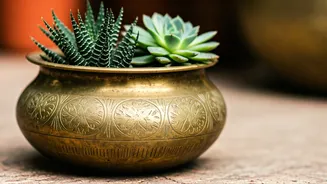
a common succulent killer: root rot. The clay wicks excess moisture out of the soil, keeping the roots healthy and happy. From an aesthetic standpoint, weathered clay pots offer a natural, earthy texture and a sense of history that plastic or glazed ceramic pots can't replicate. The subtle patina of white mineral deposits and hints of green from algae create a beautiful, organic backdrop that makes the vibrant colours and unique shapes of succulents truly pop. It’s a look that feels both curated and effortlessly natural, fitting perfectly into modern, bohemian, or traditional decor styles.
Sourcing Your Pots: Find or Fake It
You have two main options for acquiring these charming pots. The first is to find genuinely aged ones. Check out local garden centres, flea markets, or even your own backyard for old terracotta pots that have developed a natural patina over time. These have authentic character that is impossible to fully replicate. However, if you're starting with new pots, you can easily speed up the ageing process. The most popular DIY method involves creating a slurry to coat the pot. Mix plain yoghurt or buttermilk with a bit of water and paint a thin layer onto the outside of your pot. For a more mineralised look, you can also mix in some garden lime. Place the pot in a shady, damp spot for a few weeks and let nature work its magic. The live cultures will encourage moss and algae growth, giving you that coveted 'old-world' look in a fraction of the time.
Choosing the Right Succulents
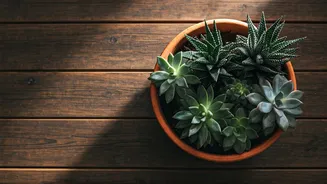
The key to an easy-care arrangement is choosing the right plants. Not all succulents are created equal, especially for indoor growing. For beginners, look for low-maintenance varieties that thrive in typical household conditions. Great options include: * **Haworthia (Zebra Plant):** These have striking white stripes and are very tolerant of lower light conditions, making them perfect for spots away from a south-facing window. * **Gasteria ('Ox Tongue'):** Known for their long, thick leaves and low light tolerance, they are incredibly tough and forgiving. * **Echeveria:** These rosette-shaped succulents are a classic for a reason. They come in stunning colours but do require bright, direct light to stay compact and vibrant. Place them in your sunniest spot. * **Sedum morganianum (Burro's Tail):** A trailing succulent that looks fantastic spilling over the edge of a pot. Handle with care, as its delicate 'leaves' can fall off easily. When selecting, try to pick plants with a variety of shapes, textures, and heights to create a visually interesting composition.
The Foundation: Soil and Drainage
Succulents hail from arid environments and despise 'wet feet.' Standard potting soil holds too much moisture and will quickly lead to root rot. You must use a special potting mix formulated for succulents and cacti. You can buy pre-made bags at any garden centre, or create your own by mixing equal parts potting soil, perlite (or pumice), and coarse sand. This creates a gritty, fast-draining medium that your plants will love. Equally important is drainage. Ensure every pot you use has a drainage hole at the bottom. If it doesn’t, it’s not a suitable pot for a succulent, no matter how beautiful it is. That single hole is the most important feature for ensuring your plant's long-term health.
Putting It All Together
Now for the fun part. Gently remove your succulent from its nursery pot. If the roots are tightly bound, carefully tease them apart to encourage them to grow into the new soil. Place a small piece of mesh or a coffee filter over the drainage hole to prevent soil from washing out. Add a layer of your succulent mix to the bottom of the new pot, then place the plant inside. The base of the plant should sit just below the rim of the pot. Fill in around the sides with more soil, gently tamping it down to remove air pockets. Do not water the plant immediately. Wait about a week before giving it its first drink. This allows any damaged roots to heal, preventing rot from setting in.
Care and Styling Tips
Once potted, group your succulents together for maximum impact. A collection of three or five pots of varying sizes looks more deliberate and stylish than a single, lonely plant. Place them in a spot that receives the appropriate amount of light for the varieties you’ve chosen—typically a bright, sunny window. The biggest mistake with succulents is overwatering. Only water when the soil is completely dry to the touch. A good rule of thumb is to stick your finger an inch into the soil; if it feels even slightly damp, wait longer. In winter, you’ll need to water even less frequently. Let the plants and their beautiful, weathered pots become a simple, living art piece in your home.