
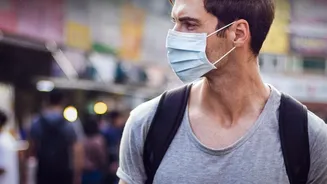

As smoggy skies become a familiar sight across Indian cities, so do children in pollution masks. But on days when the air quality is 'Severe', how much protection do these masks truly offer? It's a critical question for every concerned parent.
Not All Masks Are Created Equal
When it
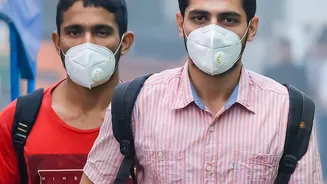
comes to protecting a child's developing lungs from air pollution, the choice of mask is paramount. The primary threat in urban smog is PM2.5—fine particulate matter so small it can penetrate deep into the respiratory system. Standard cloth masks and thin surgical masks, while common, are largely ineffective against these microscopic particles. They are designed to block larger droplets, not the fine aerosols that constitute smog. For meaningful protection, experts recommend respirators that meet N95, KN95, or FFP2 standards. These are certified to filter at least 95% of airborne particles down to 0.3 microns, offering a significant defence against PM2.5 when worn correctly. Parents should look for certified, child-sized versions and not be swayed by colourful designs that lack proper filtration ratings.
The Critical Importance of a Proper Fit
A high-quality mask is only as good as its seal. If polluted air can leak through gaps around the nose, cheeks, or chin, the mask's effectiveness plummets. This is one of the greatest challenges with children. Their smaller, developing facial structures make achieving a snug fit difficult. A proper fit means the mask covers the nose and mouth completely, extending under the chin with no visible gaps. If a child's glasses fog up or you can feel air escaping from the sides, the seal is compromised. Standard adult masks, even if knotted or folded, should not be used on children as this creates gaps and defeats the purpose. It's crucial to find a respirator designed specifically for a child's face and check the fit every time it's worn.
Comfort, Consistency, and Age Limits
Beyond fit, a mask's wearability is a major factor. If a child finds a mask uncomfortable, hot, or difficult to breathe through, they are less likely to keep it on correctly for extended periods, such as during a school commute. This inconsistent use is a significant limitation. Parents should also be aware of important age restrictions. Due to the risk of suffocation, masks should never be used on children under the age of two. For toddlers between two and five, masks should only be used for short, essential periods under constant adult supervision. If a child appears to be struggling, feels dizzy, or shows any signs of respiratory distress, the mask should be removed immediately and they should be moved to a cleaner air environment.
When a Mask Is Simply Not Enough
Herein lies the most crucial limit: on days with 'Severe' or 'Hazardous' Air Quality Index (AQI) readings, even a perfectly fitted N95 mask is not a license for normal outdoor activity. Health experts are clear that masks are a supplementary measure, not a substitute for avoiding exposure. They primarily filter particulate matter but do not protect against harmful gaseous pollutants like nitrogen dioxide, ozone, and sulphur dioxide. When pollution levels are dangerously high, the sheer volume of pollutants can overwhelm any personal protective equipment. The fundamental advice from paediatricians and pulmonologists is to drastically limit a child's time outdoors. Strenuous activities, sports, and even long walks should be cancelled or postponed until the air quality improves.
A Layered Strategy for Protection
Protecting children on highly polluted days requires a multi layered approach where masks are just one component. The primary and most effective strategy is to reduce exposure by staying indoors as much as possible. Parents should monitor local AQI levels daily. Inside the home, keeping windows and doors closed can help. Using a high efficiency particulate air (HEPA) filter can significantly improve indoor air quality, creating a safer environment, especially in the rooms where a child sleeps and plays. When in a car, use the air conditioner on its recirculation setting to avoid pulling in polluted outdoor air. These measures, combined with the judicious use of a well fitted mask for unavoidable outdoor trips, form a more comprehensive defence against the dangers of severe air pollution.