




A Modern Twist on an Ancient Tradition
Scent has always been intertwined with Indian culture, from the smoke of havan kunds to the floral offerings in temples. For centuries, traditional attars—pure, alcohol-free perfume oils—have been central to rituals and personal grooming. Sandalwood,
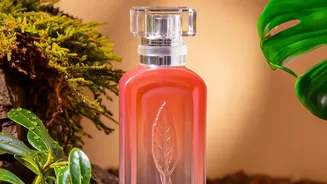
rose, and jasmine were not just scents but symbols of purity and devotion. The current trend, however, is a modern reinterpretation. While attars are still chosen for religious ceremonies, contemporary Eau de Parfums are now the go-to for social gatherings and parties. This shift sees fragrance moving from a purely spiritual or occasional role to a daily form of self-expression that peaks during celebrations.
The Aspiration of Accessible Luxury
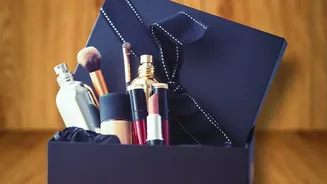
A key driver of this fragrance boom is economic. With rising disposable incomes, many Indians now have the spending power to move beyond necessities and invest in personal grooming. Perfume, once considered a high-end item for special occasions, is now an accessible luxury. This premiumisation trend is visible across the beauty sector, where consumers are upgrading from basic deodorants to more sophisticated perfumes. Gifting culture has also evolved; perfumes and fragrance sets are increasingly replacing traditional gifts like sweets, seen as more personal and modern presents during festivals like Diwali.
The Rise of Homegrown Fragrance Houses
The market is no longer dominated by international brands alone. A vibrant ecosystem of Indian direct-to-consumer (D2C) perfume brands has emerged, fundamentally changing the industry. Companies like Adilqadri, Nirmalaya, and Fraganote are crafting high-quality scents often designed for the Indian climate and palate. They have successfully filled a crucial gap in the market for premium-yet-affordable options, typically priced between ₹500 and ₹2,500. This has democratised fragrance, making it possible for consumers to build a 'scent wardrobe' with different perfumes for different moods and festivities without breaking the bank.
Gen Z and the Social Media Scent-scape
For younger consumers, particularly Gen Z and millennials, fragrance is a powerful form of identity. This demographic approaches scent as an essential part of their personal brand, much like their fashion choices. Social media is their primary discovery tool. Platforms like Instagram and TikTok are awash with influencer reviews, 'dupe' culture (finding affordable alternatives to luxury scents), and trends like fragrance layering. Hashtags like #PerfumeTok have demystified the world of perfumery, educating a new generation on notes, projection, and longevity, and turning what was once an intimidating purchase into an exciting journey of discovery. This digital-first approach has made young Indians more fragrance-literate and adventurous than ever before.
A Fragrance for Every Festival
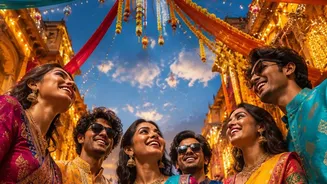
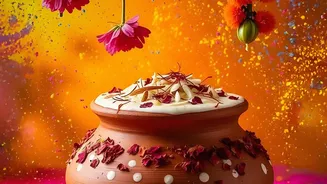
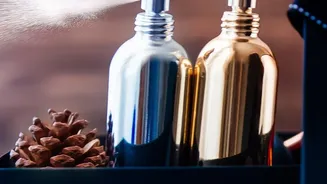
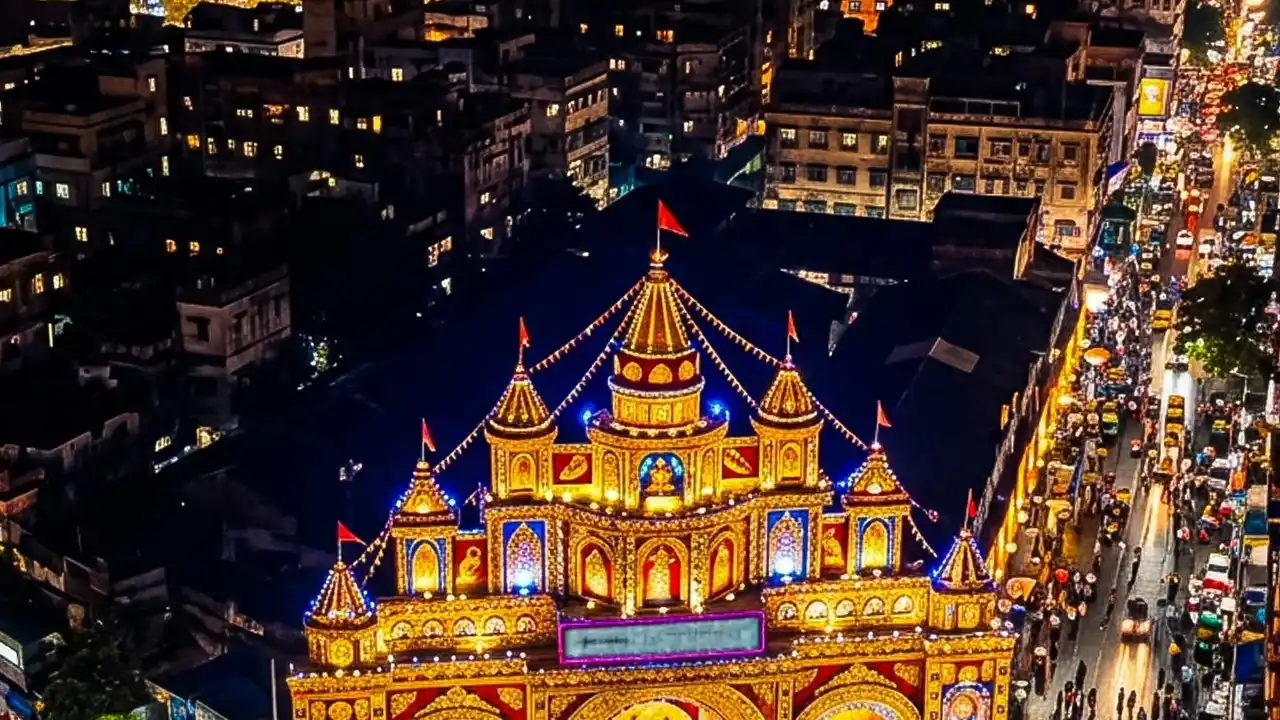
The new Indian fragrance routine is highly intentional, with specific scents chosen to match the mood of a festival. During Diwali, for instance, there's a preference for warm and opulent notes like oud and sandalwood that complement the festive energy. Home fragrances have also seen a massive surge in popularity, with sales of scented candles, reed diffusers, and room sprays jumping by 70-100% in the lead-up to major festivals. Scent is now a tool for styling a home's atmosphere, just as important as lighting or decor. This reflects a deeper understanding of fragrance's power to evoke memories, set a mood, and complete the sensory experience of a celebration.