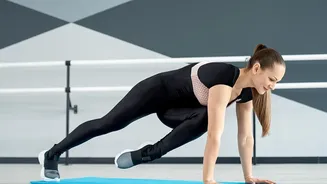



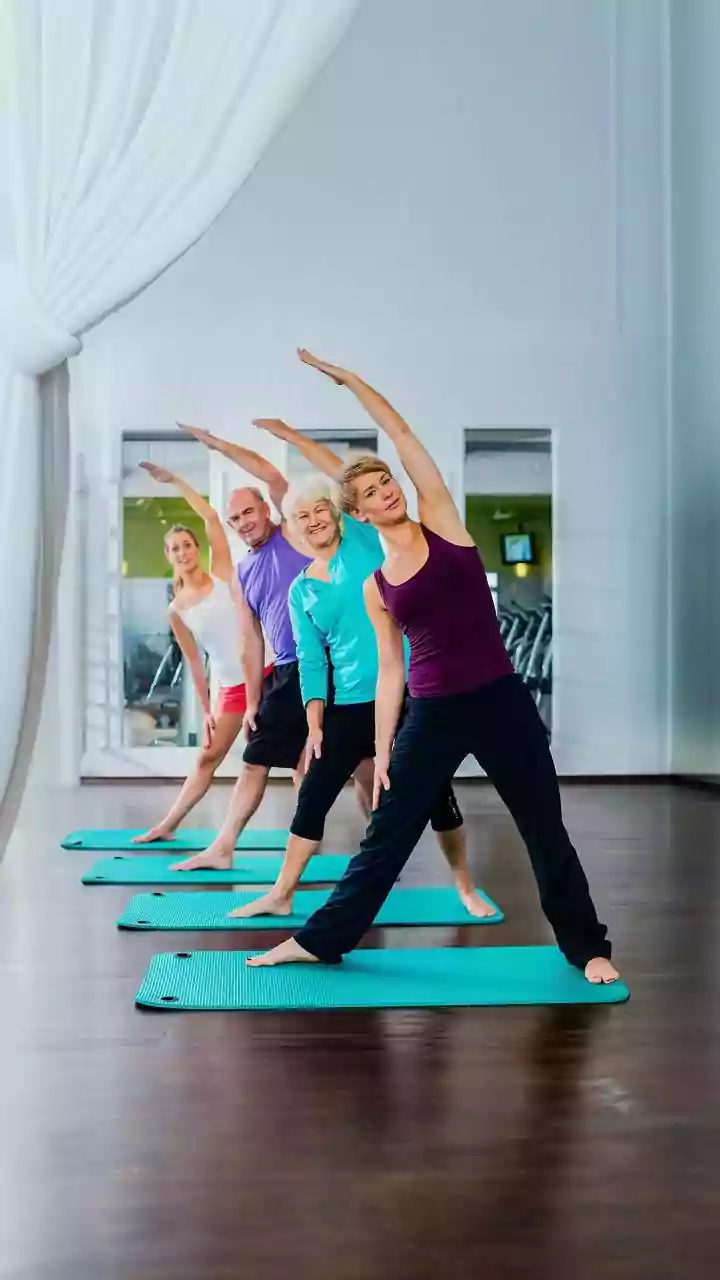



At a glance, the explosive power of a rower and the graceful poise of a ballet dancer seem worlds apart. Yet both activities offer profound physical benefits. Here’s a breakdown of why one is a cardio king and the other a master of control.
The Cardio Engine: What Makes Rowing Supreme
Rowing is often
hailed as one of the most effective forms of cardiovascular exercise, and for good reason. The magic of rowing lies in its ability to be a full-body workout that is both high-intensity and low-impact. Each stroke on a rowing machine engages an estimated 85% of the body's muscles, including major groups in the legs, core, back, and arms. This comprehensive muscle activation creates a significant demand for oxygen. Your heart and lungs must work harder to pump oxygen-rich blood to all these working tissues, which in turn strengthens the entire cardiovascular system. The movement itself is a powerful sequence: the explosive leg press, the core engagement, and the final pull with the arms. This recruits large muscle groups like the quadriceps and glutes, which are metabolic powerhouses. Engaging them drives the heart rate up efficiently, providing a potent aerobic workout that improves heart capacity, enhances circulation, and can help lower blood pressure over time.
A Full-Body Powerhouse Without the Pounding
Unlike running or other high-impact activities, rowing is performed while seated, which spares the joints from repetitive stress. This makes it an incredibly sustainable and accessible form of exercise for people of various fitness levels and ages. You can achieve a high-intensity session that burns a significant number of calories—comparable to running but without the joint strain. A 30-minute session can burn around 300 calories for an average person. This combination of full-body muscle engagement and low-impact movement makes rowing a uniquely efficient tool for building cardiovascular endurance and overall strength simultaneously. Regular rowing can improve your VO2 max, a key indicator of aerobic fitness, meaning your body becomes better at utilizing oxygen during exercise.
The Art of Control: Ballet's Neural Magic
While rowing is a display of raw power and endurance, ballet is a masterclass in precision, balance, and control. Its primary benefits are not measured in heart rate alone, but in the sophisticated way it trains the nervous system. Ballet builds coordination by demanding an incredible level of body awareness, or proprioception—the body's ability to sense its position in space without relying on sight. Years of training allow a dancer's nervous system to coordinate muscles with greater precision and efficiency than an untrained person. This is because the intricate movements, from a simple plié to a complex pirouette, require constant communication between the brain and the muscles to maintain balance and execute movements with grace.
More Than Just Pointing Toes
The stability required in ballet strengthens the deep muscles of the core, which is the foundation for all movement and good posture. Furthermore, ballet enhances neuroplasticity—the brain's ability to form new neural connections. Dancers must memorize long sequences, adapt to changing rhythms, and coordinate their movements with music and other dancers, all of which provide a significant cognitive workout. While ballet is generally a low impact activity, it does have cardiovascular benefits. A fast paced allegro sequence can certainly get the heart pumping. However, its main strength lies in developing functional strength, flexibility, and, most importantly, a highly refined sense of coordination and balance that can reduce the risk of falls and injuries in everyday life.
Choosing Your Workout: Power vs. Poise
So,' which is better? The answer depends entirely on your fitness goals. If your primary objective is to maximize cardiovascular health,' burn calories efficiently,' and build full-'body strength with minimal impact on your joints,' rowing is an unparalleled choice. Its ability to elevate your heart rate and work nearly every muscle in your body makes it a pure cardio champion. If your goal is to improve posture,' gain exceptional body control,' enhance your balance,' and build long,' lean muscles while also challenging your brain,' ballet is an excellent path. It trains the connection between mind and muscle in a way that few other activities can. Of course,' the two are not mutually exclusive. Combining the cardiovascular power of rowing with the refined control and flexibility of ballet could create an incredibly well-'rounded fitness regimen,' building a body that is both powerful and poised.