



As the sole home of the wild Asiatic lion, Gujarat's Gir National Park is a jewel of Indian wildlife. While it draws visitors year-round, winter sees a significant surge. So what makes the cooler months the undisputed prime time for a safari?
Perfect Weather for People and Predators
The most
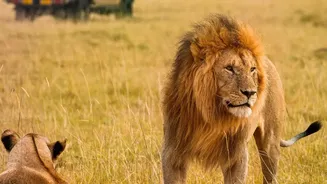
straightforward reason for winter's popularity is the climate. From November to February, the weather in Gir is exceptionally pleasant, with daytime temperatures hovering between a comfortable 10°C and 22°C. This is a stark contrast to the scorching summer heat, which can exceed 40°C, and the monsoon season (mid-June to mid-October) when the park is closed to visitors. The cool, dry winter days make the three-hour open-jeep safari a comfortable and enjoyable experience for tourists. More importantly, the milder temperatures mean the lions are more active throughout the day. Instead of seeking shelter from the intense heat as they do in summer, lions are often seen moving about or basking in the gentle morning sun, significantly increasing the chances of a memorable sighting.
Improved Visibility in the Forest
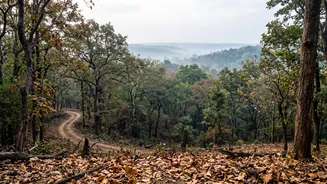
Winter brings about a change in the forest's landscape that works in the favour of wildlife enthusiasts. After the lushness of the monsoon, the vegetation in the dry deciduous forest begins to thin out. As trees shed their leaves and the undergrowth becomes less dense, visibility within the jungle improves dramatically. This clearer line of sight makes it much easier for guides and visitors to spot animals from the safari trails. The dry conditions also mean that water sources become more concentrated, drawing animals to specific locations. This combination of sparser foliage and predictable animal movement around waterholes makes tracking and spotting the majestic lions and other wildlife a more fruitful endeavour.
A Conservation Success Story
A key driver of Gir's appeal is the remarkable success of its conservation program. From a perilous low of around 20 individuals in the early 20th century, the Asiatic lion population has made a stunning comeback. Recent census data shows a healthy and growing population, with numbers climbing from 674 in 2020 to a reported 891 in just five years, a testament to the dedicated efforts of the forest department. This thriving population, now spread across the greater Gir landscape, naturally boosts the probability of sightings. Tourists arrive with the confidence that their chances of seeing the king of the jungle in its natural habitat are higher than ever, turning a visit into a near pilgrimage for wildlife lovers.
The Devalia Safari Park Guarantee
For visitors with limited time or those who want to ensure a lion sighting, the Gir Interpretation Zone, also known as Devalia Safari Park, is a major attraction. This fenced_off, 412_hectare area offers a curated snapshot of Gir's ecosystem, housing a variety of its wildlife, including lions. Safaris here are conducted in buses or jeeps and offer a very high chance of seeing lions and other animals in a semi_wild environment. Created to reduce tourist pressure on the core national park, Devalia serves as a supplementary experience that guarantees sightings, making it a popular choice for families and tour groups and adding to the overall visitor numbers in the region.
More Than Just Lions
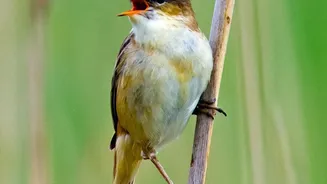
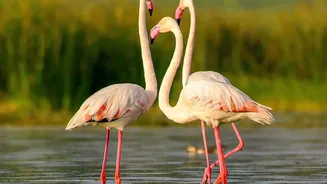
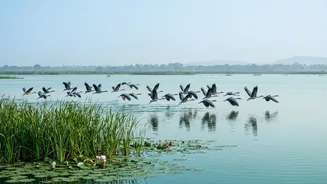
While the Asiatic lion is undoubtedly the star attraction, Gir's rich biodiversity is another significant draw. The park is home to a substantial population of leopards, sambar deer, nilgai (blue bull), and wild boar. For birdwatchers, winter is a particularly rewarding season. The park's resident population of over 300 bird species is joined by numerous migratory birds, which flock to the area's water bodies, like the Kamleshwar Dam. The opportunity to see such a wide array of fauna, from majestic raptors to elusive cats and large herds of deer, makes a winter safari in Gir a comprehensive wildlife experience that appeals to a broad range of nature lovers.