


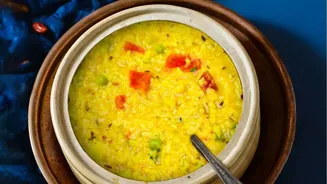
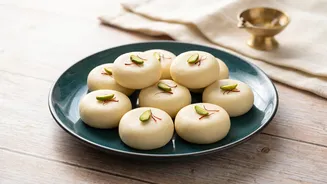
1. Dhania Panjiri
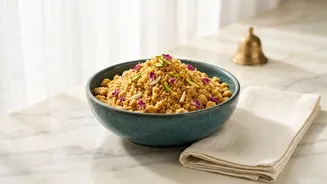
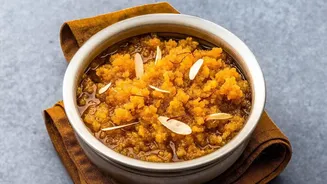
No Janmashtami bhog is complete without Panjiri, a unique and aromatic prasad made from coriander seed powder. Unlike wheat-based panjiri, this version is gluten-free and ideal for those observing a fast. To prepare it, simply roast coriander powder in ghee
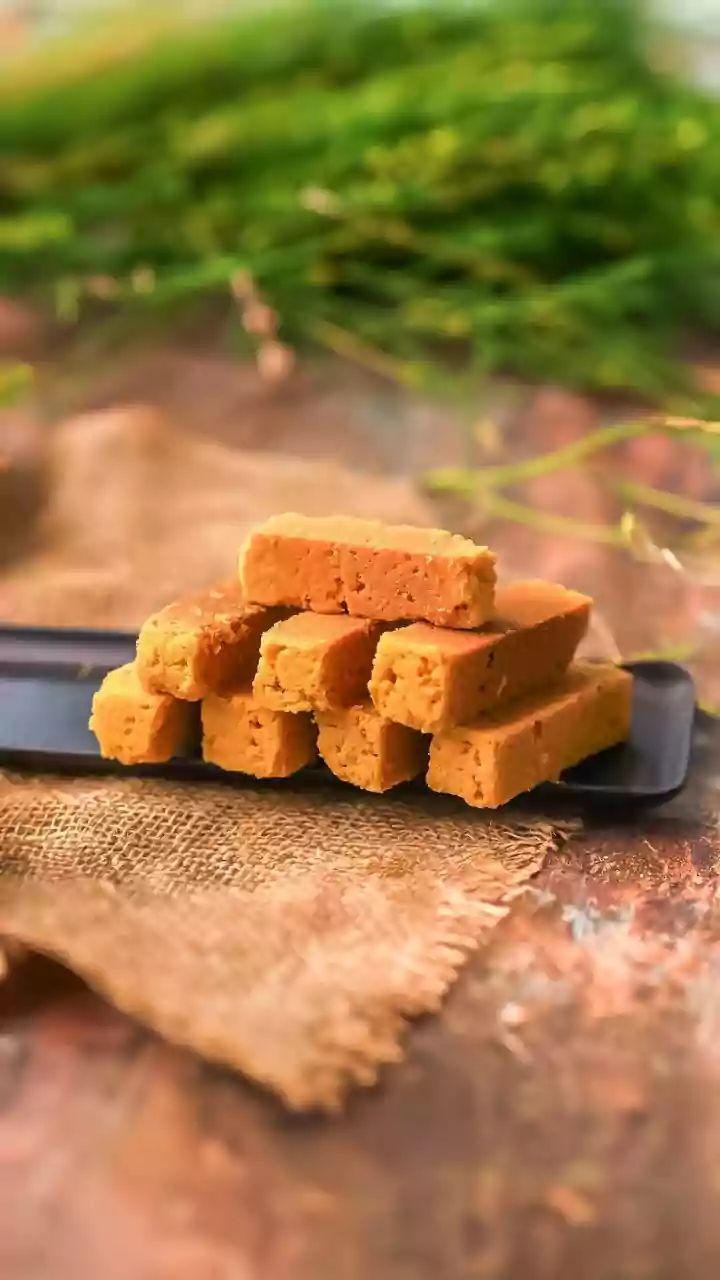
until it becomes fragrant and changes to a deep brown colour. Once it cools, mix in powdered sugar, coarsely chopped nuts like almonds and cashews, and makhana (fox nuts). This uncooked prasad is not only easy to assemble but is also considered highly nutritious and a favorite offering for Lord Krishna.
2. Panchamrit
Panchamrit, meaning 'five nectars', is a sacred concoction essential to Hindu pujas, especially on Janmashtami. This divine drink is a simple blend of five pure ingredients: raw milk, yogurt (curd), honey, ghee, and sugar. To prepare it, gently combine all the ingredients in a clean bowl. The key is to stir them together without whipping to maintain the integrity of the mixture. Some variations also include Ganga jal (holy water) and Tulsi leaves to enhance its sanctity. It is the first thing offered to the deity and then distributed as prasad.
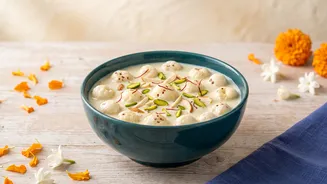
3. Makhana Kheer
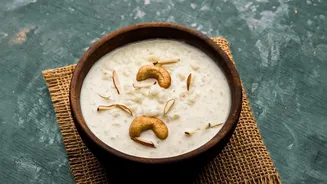
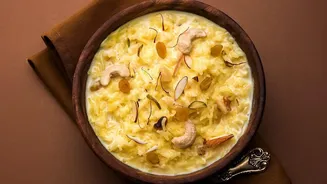
A creamy and delightful dessert, Makhana Kheer is perfect for festive fasting. Made from puffed lotus seeds (makhana), it is a light yet rich alternative to traditional rice kheer. Start by roasting the makhana in a little ghee until they become crisp. Crush about half of them coarsely to help thicken the kheer. Boil full-fat milk and add both the whole and crushed makhana, simmering until they soften. Stir in sugar, cardamom powder, and your choice of chopped nuts like almonds and pistachios. Serve it warm or chilled for a comforting and delicious bhog.
4. Gopalkala
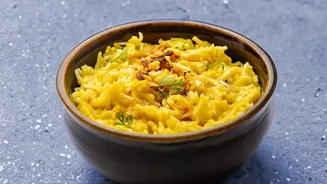
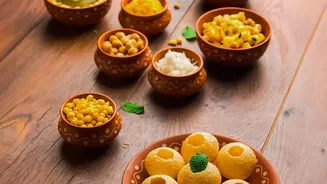
Gopalkala is a savory and refreshing dish said to be a favorite of Lord Krishna. This Maharashtrian recipe is essentially a flavourful mix of poha (beaten rice), yogurt, and cucumber, making it a no-cook, quick preparation. To make it, gently rinse thick poha and let it drain. In a bowl, mix together yogurt, finely chopped cucumber, grated coconut, and salt. Add the softened poha and mix gently. A tempering of ghee, cumin seeds, and chopped green chillies is then poured over the mixture, adding a burst of flavour. This dish represents the simple foods Krishna enjoyed with his friends.
5. Coconut Ladoo
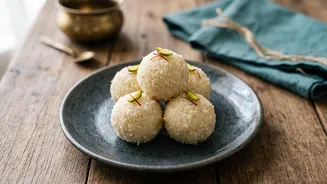
For a quick and effortless sweet, Coconut Ladoos are an excellent choice. These melt-in-the-mouth treats can be made with just two or three main ingredients. The simplest version involves mixing desiccated coconut with sweetened condensed milk in a pan over low heat. Stir the mixture continuously until it thickens and starts leaving the sides of the pan. Add a pinch of cardamom powder for fragrance. Once the mixture is cool enough to handle, grease your palms with a little ghee and roll it into small, round ladoos. You can roll them in more desiccated coconut for a classic finish.
6. Mathura Ke Pede
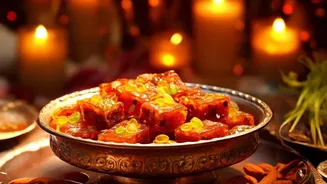
Synonymous with Krishna's birthplace, Mathura Ke Pede are a rich, caramel-colored milk sweet. While the traditional method is lengthy, a simpler version can be made at home. The key ingredient is mawa (khoya or milk solids), which is roasted in a pan on low heat until it turns a deep golden brown. This process gives the pede their characteristic colour and nutty flavour. Once roasted, let the mawa cool, then blend it with powdered sugar and cardamom powder. Add a splash of milk if needed to bind the mixture, then shape it into small, flattened balls and roll them in sugar.