






Understanding the IMD's Colour Code
The India Meteorological Department (IMD) uses a simple colour-coded system to warn citizens about impending weather conditions. Understanding these is the first step to safe travel. A 'Green' alert means all is well. A 'Yellow' alert advises you to 'Be
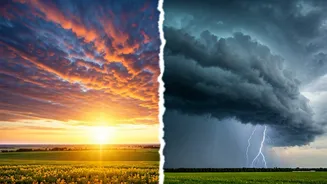
Aware', as conditions could worsen. An 'Orange' alert means 'Be Prepared' for potentially disruptive weather, including travel delays and power cuts. The 'Red' alert is the most serious, meaning 'Take Action'. It is issued for severe conditions like extremely heavy rainfall (over 204.5 mm in 24 hours), which poses a significant threat to life and property and can cause major travel and communication disruptions.
The Real-World Impact of a Red Alert
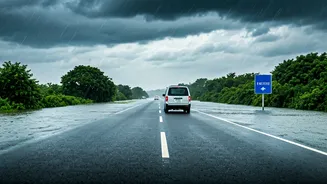
A red alert isn't just about heavy rain; it's about the cascading effects. In recent years, red alerts during the monsoon have been linked to severe flooding, landslides, and widespread travel chaos across India. In hilly states like Sikkim and Uttarakhand, thousands of tourists have been left stranded for days due to blocked roads and landslides. Even in cities like Mumbai, heavy rainfall can lead to waterlogged streets, severe traffic jams, and significant flight delays as airlines issue advisories and sometimes cancel services. These situations highlight why a 'lazy' or uninformed approach to travel during this season is a significant risk.
Your Pre-Travel Monsoon Checklist
Smart planning can be the difference between a memorable vacation and a stranded nightmare. Before you even pack your bags, make a habit of checking the official IMD weather forecasts, not just for your destination but for the entire route. Opt for flexible bookings for flights, trains, and hotels that allow for last-minute cancellations or changes. When packing, prioritise practicality over style. A sturdy raincoat, waterproof footwear, and quick-drying clothes are essential. Also crucial is a waterproof bag or cover to protect your electronic gadgets like phones and cameras, along with a power bank, as power cuts are common.
Staying Safe While on the Move
If you are already on the road when the weather turns, caution is key. Avoid travelling at night in hilly areas where the risk of landslides increases and visibility drops. Never attempt to drive or walk through flooded roads, as the depth and current can be deceptive. Be wary of street food and contaminated water, which can cause health issues; stick to bottled water and freshly cooked food from clean establishments. Keep emergency numbers handy and download reliable weather apps like the IMD’s 'Mausam' to receive real-time updates on your phone. Having a basic first-aid kit with medicines for common ailments like cold, fever, and stomach infections is also highly advisable.
What to Do If You Get Stranded
Despite the best planning, you might find yourself stuck. In such a scenario, the first rule is not to panic. Follow the instructions of local authorities, who are best equipped to handle the situation. If you are in a hotel, it is often safest to stay put until the roads are cleared and deemed safe for travel. Keep your family and friends informed about your whereabouts and situation. Conserve your phone's battery and use it judiciously. Most importantly, trust the disaster management teams and wait for their guidance on evacuation or onward travel. Their primary goal is to ensure everyone's safety.