




Understanding the Bharat Brand Initiative
The 'Bharat' brand is a Government of India initiative designed to tackle food inflation by providing essential commodities to consumers at subsidised rates. This market intervention aims to stabilise the prices of key household staples like flour (atta),
rice, and pulses (dal) by making them available at affordable, fixed prices across the country. The scheme utilises the government's buffer stocks, held by agencies like the Food Corporation of India (FCI), and distributes the products through cooperatives such as NAFED, NCCF, and Kendriya Bhandar. The items are sold via their physical outlets, mobile vans, and increasingly, through e-commerce platforms to ensure wide accessibility.
The Latest Prices for Atta and Rice
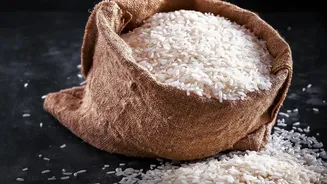
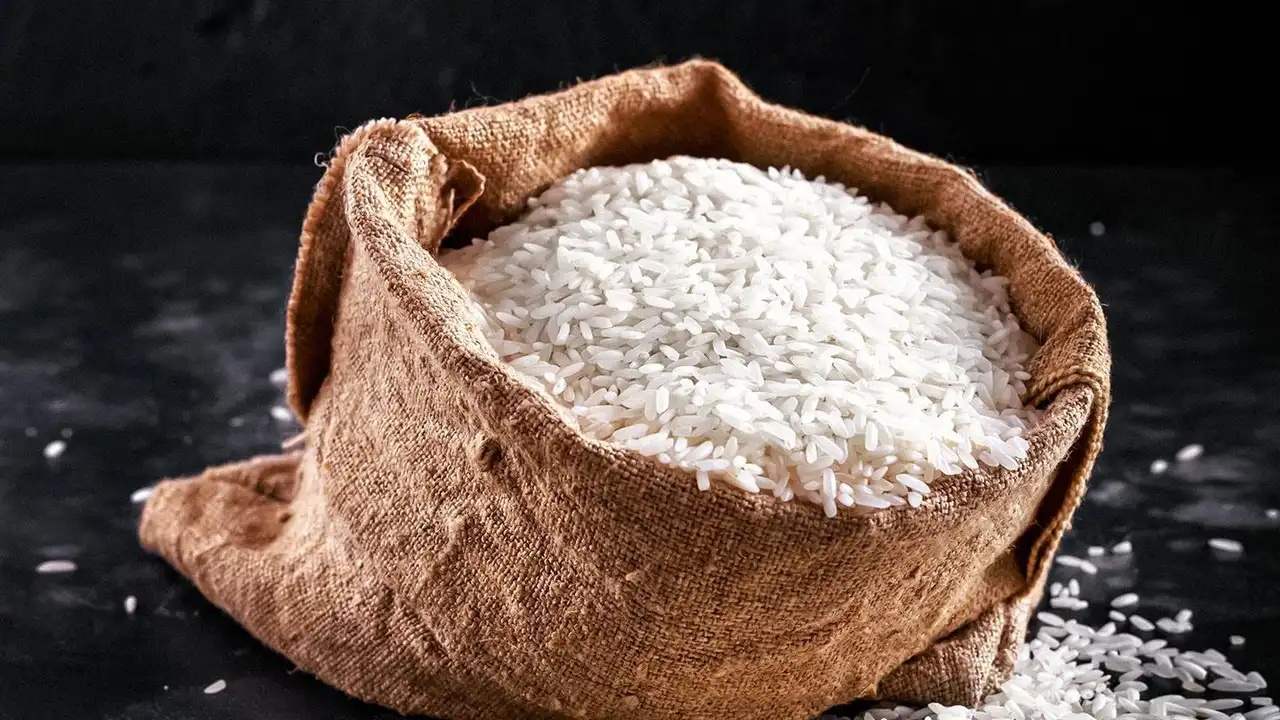
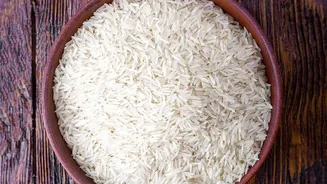
As part of its ongoing efforts, the government has recently entered a new phase of the scheme with revised prices. The maximum retail price (MRP) for Bharat Atta has been updated to ₹30 per kilogram, an increase from the earlier price of ₹27.50 per kg. Similarly, Bharat Rice is now priced at ₹34 per kilogram, up from the previous rate of ₹29 per kg. These adjustments were made considering market conditions and to ensure the continued viability of the programme. Despite the price revision, these staples remain significantly cheaper than most alternatives available in the open market, where comparable atta and rice can cost much more.
Why Pack Size Now Matters More
The headline of this article is not just a catchy phrase; it points to a crucial aspect of smart shopping under this scheme. Bharat Atta and Bharat Rice are primarily sold in convenient pre-packaged sizes, most commonly 5 kg and 10 kg bags. Recently, there has been mention of even larger pack sizes, such as a 30 kg option for rice, which may be priced slightly differently per kilogram. This is where the consumer needs to pay close attention. While the per-kilogram price is fixed by the government, the availability of different pack sizes introduces a new layer to the purchasing decision. A household's consumption patterns, storage capacity, and budget will determine whether buying a smaller 5 kg pack or a larger 10 kg bag makes more sense.
How to Calculate True Value
While the government has standardized the per-kilogram price, it is always a good practice for consumers to verify the cost. The most effective way to compare value, whether between different Bharat brand pack sizes or against other brands, is to calculate the price per kilogram. For example, a 10 kg bag of Bharat Atta at a total price of ₹300 means you are paying exactly ₹30 per kg. A 5 kg bag of Bharat Rice priced at ₹170 means you are paying ₹34 per kg. If a store were to offer a larger, non-standard bag size, you would simply divide the total cost by the number of kilograms to see if the price aligns with the official MRP. This simple calculation ensures you are always aware of the true cost and can easily spot the significant savings offered by the Bharat brand compared to other products on the shelf.
Availability and Making Your Purchase
The success of the Bharat brand hinges on its availability. The government allocates huge quantities of wheat and rice for the scheme, which are then distributed through a network of cooperatives. To make the products even more accessible, hundreds of mobile vans have been deployed across the country, bringing these subsidised staples directly into neighbourhoods. Furthermore, the government has been expanding the reach by partnering with e-commerce platforms, allowing consumers to order Bharat Atta and Rice online for home delivery. To further ensure transparency and prevent the diversion of these subsidised goods, the government has also encouraged agencies to move away from cash transactions for these products.