








The Illusion of a Quick Flight
We’ve all been there: scrolling through booking websites, fixated on the shortest flight time. A one-hour flight from Mumbai to Ahmedabad or a 75-minute hop from Delhi to Jaipur seems like a clear winner over a six-hour train ride or a long drive. Airlines
market these short durations effectively, making us feel like we’re buying back precious time. However, this flight time is only one piece of a much larger puzzle. The advertised duration completely ignores the hours spent before you even board the plane and after you land, which can often double or even triple your total travel time.
The Journey to the Airport
The first hidden time cost is simply getting to the airport. Major Indian airports, while modern, are often located on the outskirts of cities. A trip from a city centre like Colaba in Mumbai to Chhatrapati Shivaji Maharaj International Airport can easily take over 90 minutes in peak traffic. Similarly, travelling from Gurgaon's Huda City Centre to Delhi's IGI Airport can take anywhere from 20 minutes by a fast taxi to over an hour by metro and bus. These commutes are unpredictable, forcing travellers to budget significant buffer time for traffic jams and unforeseen delays long before they even see the terminal.
The Airport Gauntlet
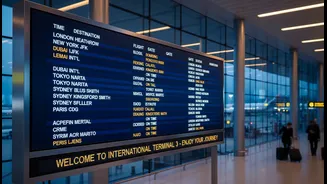
Once you arrive, the clock is still ticking. Airlines in India typically advise passengers to arrive at least two hours before a domestic departure. This is to navigate the multiple stages of the airport process: queuing to enter the terminal, baggage drop, and the often lengthy security check lines. While innovations like DigiYatra can speed up entry and security for some, it’s not universally available and queues can still be long during peak hours and festive seasons. Add to this the time spent walking to a distant boarding gate, and you’ve likely spent close to the recommended two hours inside the airport before your flight even begins to board. For international flights, the recommended arrival time is three hours.
Landing is Not the End
The journey doesn’t end when the wheels touch down. Deplaning can take another 15-20 minutes depending on your seat. If you have checked luggage, you then face the baggage claim wait, which can add another 15 to 45 minutes to your timeline. Finally, you have to navigate your way out of the destination airport and arrange transport into the city, which comes with its own set of delays and travel time. A one-hour flight can easily be bookended by four or five hours of ground-based logistics.
When Trains and Cars Are Faster
This is where alternative modes of transport are becoming increasingly competitive. For routes under 500 kilometres, a door-to-door comparison often reveals that flying is not the fastest option. Take the Mumbai-Ahmedabad route: a flight is about an hour, but the total journey can be over five hours. A Vande Bharat Express train on the same route takes about five and a half hours, but from a city-centre station to a city-centre station, making it a viable and often less stressful alternative. Similarly, for routes like Delhi-Chandigarh or Mumbai-Pune, driving via new expressways can be faster and more convenient than the entire airport ordeal.
How to Calculate Your True Travel Time
To make a truly informed decision, savvy travellers should perform a simple calculation before booking any ticket. Start with the flight time, then add the following: 1. Time from your home to the departure airport. 2. Airport buffer time (a minimum of 2 hours for domestic flights). 3. Time for deplaning and baggage claim (budget at least 30 minutes). 4. Time from the destination airport to your final destination. When you add these components, you get your Total Journey Time. Now, compare this figure with the total time it would take to travel by train or car. This holistic view allows you to choose the option that is genuinely the most efficient for your specific trip.