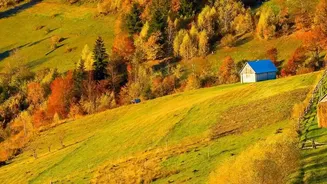

The Allure of a Quieter Himachal
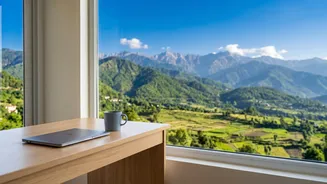
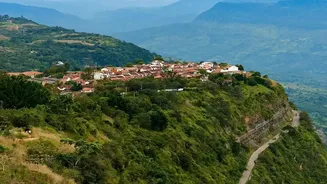
While other Himalayan towns have grown busier, Shoja remains a peaceful retreat best suited for those seeking silence and nature over bustling markets. It's a place where the main activities are walking through deodar forests, listening to birdsong, and enjoying
the crisp mountain air from the balcony of a wooden homestay. The pace of life is slow, encouraging visitors to unwind completely. Unlike its more developed neighbour Jibhi, Shoja’s charm lies in its relative quietness and the feeling of being immersed in a dense, atmospheric forest landscape. This makes it an ideal choice for travellers wanting to disconnect from city life and experience a more authentic, tranquil side of the mountains.
Autumn's Golden Touch
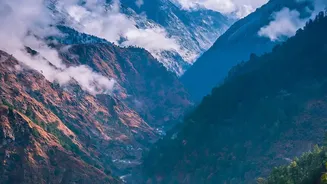
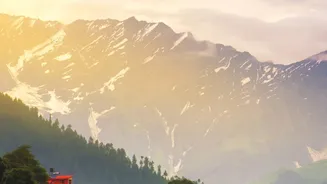
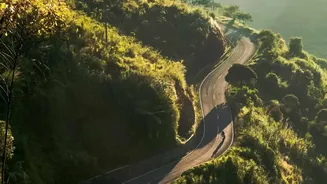
Autumn, particularly from late September through October, is arguably the best time to visit Shoja. The monsoon rains will have washed the landscape clean, leaving behind lush greenery and exceptionally clear skies. This period offers stable weather, comfortable daytime temperatures for exploring, and cool, crisp evenings perfect for a bonfire. The post-monsoon air provides sharp, panoramic views of the distant snow-capped peaks. The forests take on a golden hue, making it a photographer's delight. With minimal rain, road conditions are generally at their best, making the journey and local sightseeing a smooth experience.
Must-Do Sights and Gentle Treks
Shoja's prime location makes it a great base for some of the region's most rewarding short treks. The village is just a short drive from Jalori Pass, a high-altitude pass at over 10,000 feet that serves as the starting point for two popular hikes. One trail leads to Serolsar Lake, a serene body of water surrounded by thick oak forest. Local legend says that the lake is kept spotlessly clean by a pair of birds who pick out any leaves that fall on its surface. The mostly flat 5-kilometre walk takes about two hours each way and is suitable for beginners. The other popular trek from Jalori Pass is to the ruins of Raghupur Fort, which offers breathtaking 360-degree views of the surrounding Himalayan ranges.
A Base for Deeper Exploration
While a weekend in Shoja is rejuvenating, it also serves as a gateway to the larger wonders of the region. A short drive down from Shoja will take you to Tirthan Valley, famous for its crystal-clear river, trout fishing, and scenic riverside villages. Many travellers combine a stay in Shoja with a few days in Tirthan to experience both the high-altitude forests and the vibrant river valley. Shoja is also located near the Great Himalayan National Park, a UNESCO World Heritage Site teeming with diverse flora and fauna, including the Himalayan Monal, the state bird of Himachal.
How to Plan Your Weekend Escape
Reaching Shoja requires a road journey, as there is no direct rail or air connectivity. The most common route is from Delhi or Chandigarh to Aut, a small town on the main Mandi-Manali highway. From Aut, you leave the main highway and enter the Banjar Valley, climbing towards Shoja via Jibhi. The entire journey from Delhi can take 12-14 hours. Overnight buses to Aut are a popular option, from where you can hire a local taxi for the final 2-3 hour drive up to Shoja. Accommodation in Shoja consists mainly of charming homestays and guesthouses that offer a warm, local experience, so it's wise to book in advance, especially for an autumn weekend.