







What is Food Safety Connect?
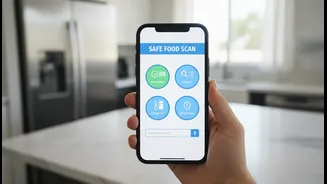
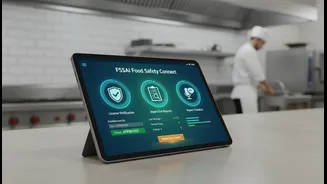
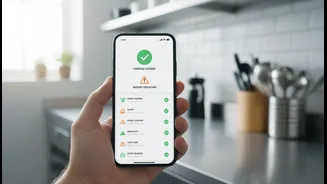
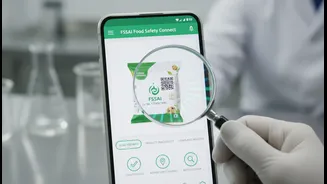
Food Safety Connect is an initiative by the Food Safety and Standards Authority of India (FSSAI) designed to be a direct line between consumers and the regulator. It's a comprehensive digital platform, available as both a mobile app and a web portal,
where you can lodge complaints about everything from adulterated food and misleading labels to unhygienic conditions at restaurants. The goal is to empower citizens to become the 'eyes' of the regulator, allowing them to report issues, upload evidence like photos, and track the status of their grievance with a unique ID. Beyond complaints, the platform also lets users verify the FSSAI license of any food business, access articles on food safety, and stay updated on new advisories.
High-Profile Incidents Fuel Public Concern
A significant driver of this heightened attention is a series of recent, highly publicised food safety failures. In just the last few days, FSSAI issued nine notices to the popular quick-commerce platform Swiggy Instamart following multiple consumer complaints. Allegations included the delivery of expired, spoiled, and contaminated items like rotten eggs and infant food formulations that were reportedly resupplied even after being returned. Other recent enforcement actions that caught the public eye include the shutdown of a spice manufacturing unit in Lucknow for alleged adulteration and notices sent to beverage companies for improper labelling. Widespread raids in cities like Cyberabad have also uncovered large-scale adulteration of everyday items like edible oil, wheat flour, and ginger-garlic paste, further eroding consumer trust and prompting them to seek recourse.
The Social Media Effect
Social media has acted as a powerful amplifier for these concerns. When a consumer has a bad experience, from finding a foreign object in their food to receiving an expired product, a single viral post can reach millions. This not only alerts other consumers but often puts pressure on both the brand and regulators to act. FSSAI itself has been actively using social media platforms like X (formerly Twitter) to urge consumers to use the Food Safety Connect app, with messages like, “Don't just notice it, report it!”. This digital word-of-mouth has been instrumental in building awareness about the app. Past incidents, such as an influencer highlighting the high sugar content in a popular health drink, have demonstrated that social media campaigns can lead to tangible changes in corporate behaviour and regulatory oversight.
A More Empowered and Health-Conscious Consumer
The underlying current is a fundamental shift in consumer attitudes. In the post-pandemic era, there is a greater emphasis on health and wellness, leading people to scrutinize what they eat more carefully. Consumers are more aware of issues like adulteration, from fake paneer made with palm oil to the misuse of the 'ORS' label on sugary drinks. This rising awareness means they are no longer passive recipients. They demand transparency and accountability from food businesses, whether it's a local restaurant or a large e-commerce platform. FSSAI has responded by making it easier to report issues, even mandating that food businesses display QR codes linking to the Food Safety Connect app on their premises. This creates a system where consumers feel more in control and businesses know they are being watched.
How to Use the Platform
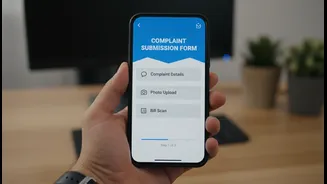
Using the Food Safety Connect app or portal is straightforward. After downloading the app and creating an account, you can lodge a new complaint. You'll be asked to provide details about the food business, describe the nature of the issue (e.g., adulteration, expired product, poor hygiene), and upload supporting evidence like photos, videos, or bills. Once submitted, the complaint is forwarded to the appropriate food safety authority for inspection, and you can monitor its progress using a tracking ID. This streamlined process removes many of the traditional barriers to filing a grievance, making it a simple yet effective tool for any consumer who encounters a food safety violation.