






The Watery Dal Dilemma
It’s a common kitchen scenario: your dal looks a little thick, so you reach for the water jug and pour some in. This is often where things go wrong. Adding too much water, especially cold water, is the primary reason for a thin, disappointing dal. It dilutes
the rich flavours you’ve worked to build and can shock the pulses, affecting their final texture. Instead of a cohesive, creamy dish, you end up with lentils swimming in a bland, soupy liquid. The goal is to cook the pulses until they are soft and begin to break down, releasing their natural starches which thicken the dish. Excess water simply gets in the way of this process, forcing you to either over-boil the dal to evaporate the liquid—which can degrade its nutritional value—or settle for a runny consistency.
The Art of the Texture Check
Before you even think about adding more water, you must learn to read the texture of the pulses. This is the heart of great dal making. The ideal texture is soft, tender, and creamy. The pulses should be fully cooked, holding their shape just enough but collapsing into a creamy mash with the slightest pressure. To check, take a couple of lentils out with a spoon. Let them cool for a second, then press one between your thumb and forefinger. It should squash easily and feel completely soft, with no hard or grainy centre. If you have to apply significant pressure, they need more cooking time. If they have turned to complete mush and disintegrated, they may have been overcooked. Mastering this simple press test is more important than any strict water measurement in a recipe.
When and How to Adjust Consistency
If, after checking the texture, you find the dal is perfectly cooked but the consistency is thicker than you’d like, now is the time to adjust. But do it carefully. First, always add hot or boiling water. Adding cold water can harden the lentils and interrupt the cooking process. Second, add the water in small increments—perhaps a quarter cup at a time. Stir it in completely and let the dal simmer for a minute or two before deciding if you need more. This gives the dal time to absorb the liquid and for the consistency to settle. This patient approach prevents you from accidentally turning a thick, rich dal into a watery mess. Remember, you can always add more water, but it's much harder to take it away.
Pre-emptive Measures for Perfect Texture
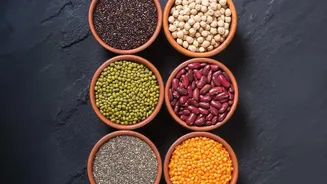
The foundation for great texture is laid before the pot even hits the stove. Soaking your pulses is a crucial step that many people skip. For larger, tougher lentils like chana dal or rajma, soaking overnight is best. For smaller lentils like toor or masoor dal, even 30 minutes to an hour can make a huge difference. Soaking helps the lentils cook more evenly and reduces the overall cooking time, which gives you more control. It also helps break down compounds that can cause indigestion. Another common mistake is adding salt too early, which some cooks believe can toughen the skins of the lentils and prevent them from softening properly. To be safe, it's often best to add salt towards the end of the cooking process, once the lentils have already become tender.
Finishing Touches That Build Body
If you've followed all the steps and your dal is still slightly thinner than you prefer, there are rescue options. One of the best tricks is to use the back of your ladle to mash some of the cooked lentils against the side of the pot. This releases their starches and instantly thickens the dal. Let it simmer for another few minutes, and you'll notice a significant improvement in body. Finally, never underestimate the power of the final 'tadka' or tempering. Blooming spices like cumin seeds, mustard seeds, and garlic in hot ghee or oil not only adds an incredible layer of flavour but also contributes to the final texture, bringing the whole dish together into a harmonious, comforting meal.