






Sattu: The Original Indian Superfood
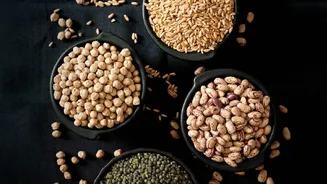
Sattu, a humble flour made from roasted grams (chana), is a nutritional powerhouse with a rich history in Indian culture, especially in states like Bihar, Uttar Pradesh, and Punjab. Traditionally valued as an affordable energy booster for labourers and travellers,
it’s now being embraced by the fitness community as a formidable plant-based protein source. A 100-gram serving of sattu packs around 20-25 grams of protein, making it an excellent option for muscle repair and growth. But its benefits go far beyond just protein. It's loaded with dietary fibre (about 18 grams per 100g), which aids digestion, promotes a feeling of fullness, and helps prevent overeating. This high-fibre content also ensures a slow and sustained release of energy, making it an ideal pre-workout meal that provides lasting stamina without the crash associated with sugary drinks.
More Than Just Protein
What makes sattu a truly holistic fitness food is its rich micronutrient profile. It is a fantastic source of essential minerals like iron, magnesium, and calcium. Iron is crucial for fighting fatigue and boosting energy levels, while magnesium supports heart health and overall metabolism. For those on a plant-based diet, getting enough calcium can be a concern, and sattu provides a significant amount to help strengthen bones. Furthermore, sattu has a low glycemic index, which helps in regulating blood sugar levels, making it a safe and beneficial food for people with diabetes. Its natural cooling properties also make it a perfect summer drink, helping to hydrate the body and replenish minerals lost through sweat.
Sprouted Legumes: The Magic of Germination
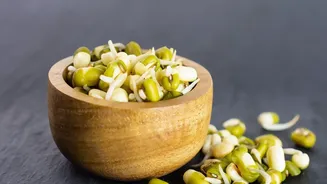
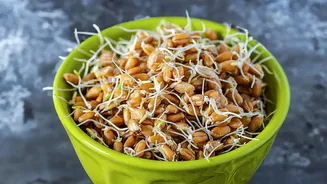
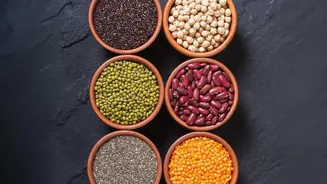
Sprouting is the simple process of germinating legumes like mung beans, chickpeas, and lentils. This ancient technique transforms these humble seeds into nutritional giants. The process of sprouting dramatically increases the bioavailability of nutrients. It activates enzymes that break down anti-nutrients like phytic acid, which can otherwise block the absorption of minerals like iron, zinc, and calcium. This means your body can absorb more of the good stuff packed inside. Sprouting also increases the content of vitamins, particularly Vitamin C and B-complex vitamins, and makes the legumes easier to digest, reducing the gas and bloating often associated with beans. This enhanced digestibility ensures that the nutrients are assimilated efficiently, supporting your body's fitness and recovery goals.
A Boost for Muscle Growth and Recovery
For fitness enthusiasts, sprouted legumes offer high-quality, easily digestible plant-based protein essential for muscle building and repair. For instance, chickpea sprouts can provide a significant protein boost, while mung bean sprouts are rich in leucine, an amino acid crucial for stimulating muscle protein synthesis. Because they are living foods, sprouts are also rich in antioxidants that help reduce inflammation and support post-workout recovery. Being low in calories but high in nutrients and fibre, they are an excellent food for weight management, as they keep you feeling full and satisfied, preventing you from reaching for unhealthy snacks.
Easy, Affordable, and Versatile
One of the strongest arguments for sattu and sprouted legumes is their accessibility and versatility. Sattu can be quickly mixed into a refreshing and energising drink with water, lemon juice, and black salt—a perfect natural pre-workout or morning energiser. It can also be used to make protein-rich parathas, laddoos for a healthy snack, or even added to smoothies and soups. Sprouted legumes are just as easy to incorporate into your diet. Toss them into salads for a crunchy texture, add them to stir-fries and light curries, or blend them into hummus. Unlike expensive supplements, both are incredibly cost-effective, proving that you don’t need to spend a fortune to achieve your fitness goals. They represent a return to smart, traditional eating that perfectly aligns with modern nutritional science.