






Understanding the Monsoon Menace
The core problem during the rainy season is the dramatic increase in atmospheric moisture. Relative humidity levels can soar to between 70% and 90%. This damp air is the primary enemy of your pantry staples. It provides the ideal breeding ground for mould
and bacteria, which cause food to spoil quickly. High humidity makes crisp snacks soggy, causes powdered spices to form hard lumps, and creates a welcoming environment for pests like weevils and ants to thrive in stored grains and sugar. What works for food storage in the dry summer months is simply not enough to protect your food when the air itself is heavy with water.
Airtight is Always Right
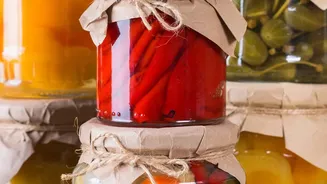
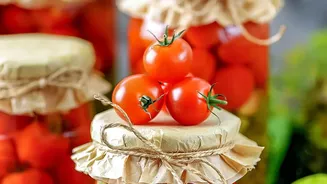
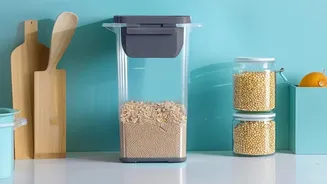
The single most effective change you can make is to upgrade your storage containers. Loose packets, cloth bags, and jars with ill-fitting lids offer almost no protection against damp air. Transfer staples like grains, pulses, flours, sugar, and spices into completely dry, airtight containers. Glass or high-quality food-grade plastic jars with secure, sealing lids are your best defence. They create a physical barrier that locks moisture out and freshness in. For items bought in bulk, consider dividing them into smaller containers. This minimises air exposure to the larger batch every time you need a small amount.
Guarding Grains, Flours, and Pulses
Grains like rice and wheat, along with flours (atta) and pulses (dals), are highly susceptible to moisture and insect infestations. Beyond using airtight containers, a traditional and effective trick is to add a few dried bay leaves or neem leaves to the containers; their natural properties help deter pests. For extra protection, you can lightly dry-roast items like semolina (rava) before storing them to eliminate any existing moisture and extend their shelf life. If you have space, storing large bags of flour in the freezer is another excellent strategy to prevent spoilage and pest breeding.
Protecting Your Spices and Condiments
Humidity is the enemy of flavour, especially when it comes to ground spices. Moisture causes them to clump, lose their pungent aroma, and deteriorate faster. Never shake spice jars directly over a steaming pot, as the steam can get trapped inside the container. Always use a completely dry spoon to scoop out what you need. Storing your main spice rack in a cool, dry cabinet away from the stove and sink area is far better than keeping it next to the cooking range, where it is constantly exposed to heat and steam. For salt and sugar, which are notorious for turning into solid blocks, adding a few grains of uncooked rice to the container can help absorb excess moisture.
Managing Fruits and Vegetables
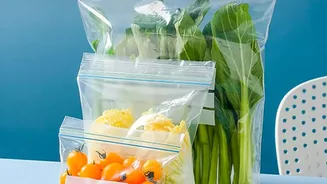
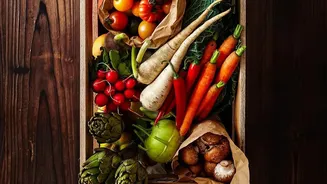
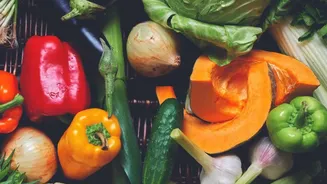
Fresh produce spoils much faster in the monsoon. Thoroughly wash and, crucially, pat dry all vegetables before storing them in the refrigerator. Wrapping leafy greens in newspaper or a paper towel can help absorb excess moisture and prevent them from getting slimy. Store fruits and vegetables in separate, designated drawers in your fridge to manage ethylene gas and humidity levels correctly. Bananas, which ripen very quickly in high humidity, can be managed by wrapping the stems. Breads are also prone to moulding rapidly and should be stored in a sealed bag in the refrigerator, not on the counter.
Keeping Snacks Crispy
There's little more disappointing than reaching for a biscuit or a handful of namkeen only to find it has gone soft and stale. As soon as you open a packet of any crispy snack, transfer the contents to an airtight container. Do not leave them in their original, often poorly sealed, packaging. For items like dry fruits and nuts, which contain natural oils that can go rancid in humid conditions, storing them in an airtight container in the fridge is the best way to maintain their texture and flavour for longer.