







The Universal Pain of Manual Reporting
Every Friday afternoon, a collective groan is heard in offices across India. It’s the sound of thousands of professionals trying to remember exactly what they did on Monday morning. The task? Filling out work logs, timesheets, and project status updates.
This manual, often inaccurate process is a relic of old management styles. It consumes valuable hours, is based on guesswork, and often fails to capture the true nature of work. Managers spend time chasing these updates, and team members spend time creating them, resulting in a system that feels more like administrative bookkeeping than a tool for genuine progress.
Enter the AI Copilot
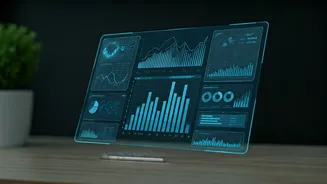
Now, imagine a world where your project dashboard updates itself. This is the promise of AI copilots. These aren't robots sitting at the next desk; they are smart software assistants integrated into the project management tools you already use, like Microsoft Planner, Jira, or Asana. An AI copilot acts as an intelligent observer, working in the background to understand project activities without requiring you to manually log every single task. Its job is to synthesise vast amounts of data from your team’s daily activities and present it in a clear, concise, and always-up-to-date project dashboard.
How Does It Actually Work?
The magic behind these AI copilots lies in their ability to connect to and understand the digital ecosystem of your work. Instead of asking you what you did, the AI gathers 'work exhaust'—the digital footprints left behind by your daily tasks. It can read your project-related emails, analyse conversations in team chat channels like Slack or Microsoft Teams, track updates in shared documents, and monitor code commits in platforms like GitHub. Using natural language processing and machine learning, the AI identifies which activities correspond to which projects or tasks. It then automatically populates the project dashboard with real-time status updates, identifies potential bottlenecks, and can even draft summary reports for stakeholders. The system learns to associate certain conversations, files, and activities with specific project goals.
The Promise: Beyond Just Saving Time
The most obvious benefit is the end of manual data entry. But the true value of AI-automated dashboards goes much deeper. For team members, it frees up cognitive bandwidth to focus on actual work rather than reporting on it. For project managers, it transforms their role from a data-collector to a strategic leader. Instead of asking, “Is this task done?” they can see its status in real-time and focus on more important questions, like “Why is this task blocked?” or “Do we need to reallocate resources here?” These systems can proactively flag risks, such as a task that is falling behind schedule or a team member who is overloaded, allowing managers to intervene before a small issue becomes a major crisis. It shifts the focus from tracking time spent to tracking actual progress and outcomes.
The Catch: Privacy, Accuracy, and Trust
Of course, this technology isn't without its challenges. The most significant concern is privacy. The idea of an AI constantly monitoring emails and chats can feel like a new form of digital surveillance if not implemented transparently. Companies must establish clear ethical guidelines on what data the AI can access and how that information is used. There’s also the question of accuracy. What if the AI misinterprets a casual chat and marks a task as complete when it isn't? Early versions of this technology will require human oversight to verify the AI's conclusions and correct its mistakes. Building trust in the system, both from employees and managers, will be crucial for successful adoption. It requires a cultural shift towards believing the AI is a tool for support, not for scrutiny.