
The Perseid Meteor Shower Peaks
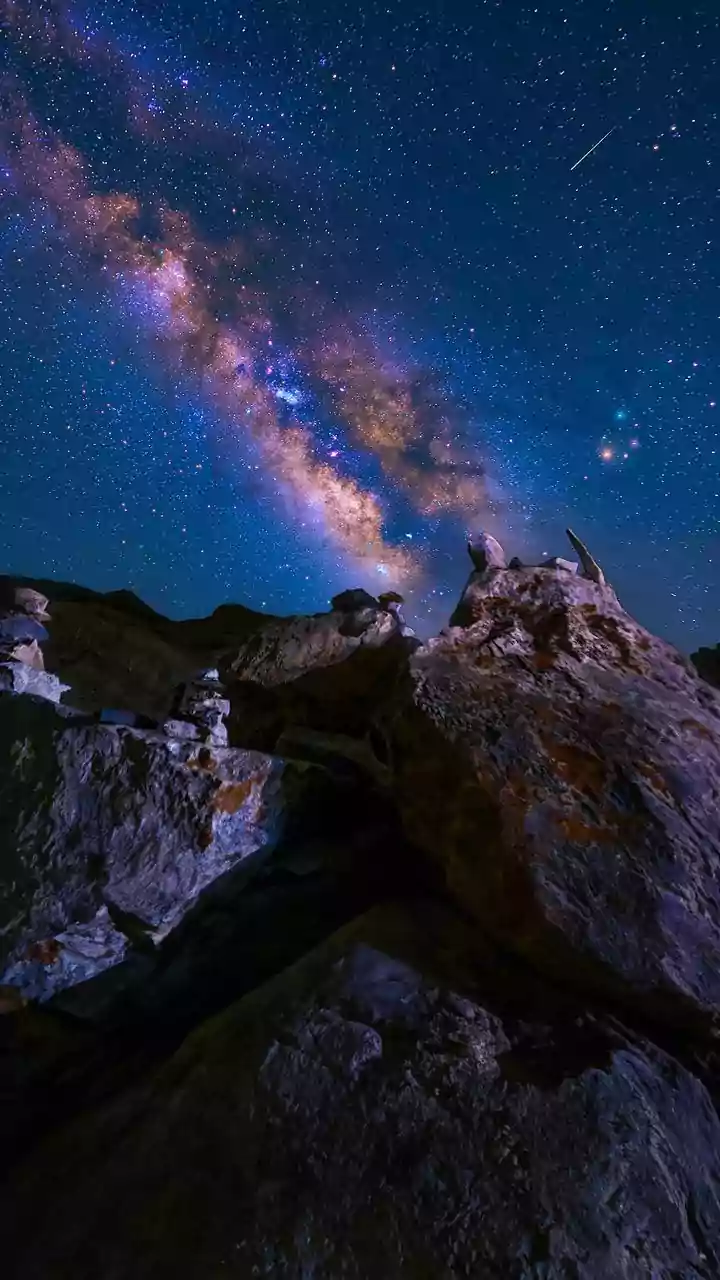
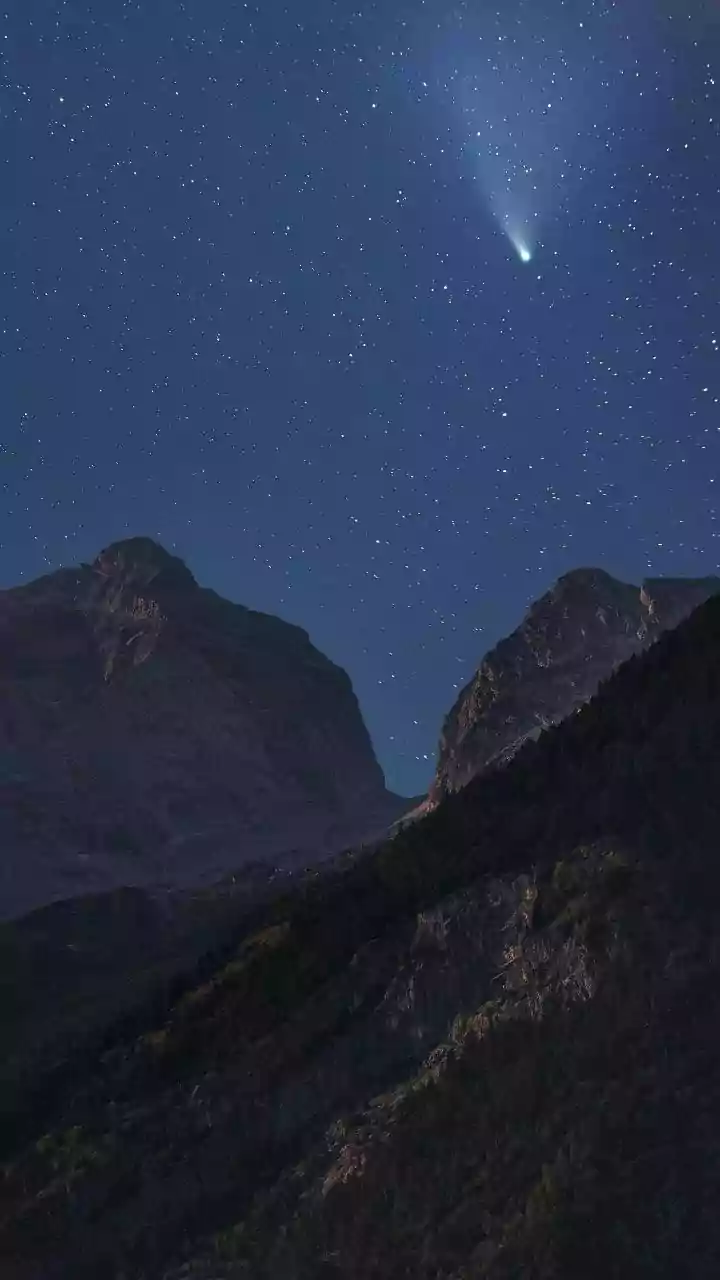
The absolute must-see event this month is the annual Perseid meteor shower, and 2026 is a perfect year for it. The shower peaks on the night of August 12 and into the early morning of August 13. What makes this year so special is that the peak coincides
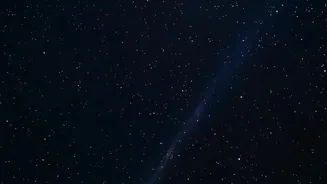
with a New Moon. This means the sky will be exceptionally dark, with no moonlight to wash out the fainter meteors, creating ideal viewing conditions. Under a clear, dark sky away from city lights, you could see between 50 and 100 meteors per hour. These meteors are fragments of the comet Swift-Tuttle, and they often leave bright, persistent trails across the sky. For the best experience, find a comfortable spot after midnight, let your eyes adjust to the darkness for about 20 minutes, and look towards the northeast. The best viewing window in India will be from around 2 a.m. until dawn.
A Parade of Morning Planets
August offers a fantastic opportunity to see multiple planets in the pre-dawn sky. Around August 12 and 13, a large alignment will feature Saturn, Mars, Mercury, and Jupiter stretched across the sky before sunrise. Saturn will be bright and easy to spot, appearing with a steady, golden glow. Mars will also be clearly visible to the naked eye. The real challenge will be spotting Mercury and Jupiter, as they will be very low on the eastern horizon and may be obscured by the growing twilight. To catch this planetary lineup, you'll need a clear view to the east and should start looking about an hour before your local sunrise. While binoculars will help, Saturn and Mars should be visible without any equipment. Venus, however, will not be part of this morning show.
Saturn Nears Its Best
While the ringed planet is part of the morning parade, it is also getting ready for its big moment later in the year. Throughout August, Saturn will be a brilliant object in the night sky as it moves towards its opposition in early October. Opposition is when Earth passes directly between the sun and an outer planet, making the planet appear its brightest and largest for the year. In August, Saturn will be visible for most of the night, rising in the east and tracking across the sky. Even a small telescope will give you a glimpse of its famous rings, which are the jewel of our solar system. Look for it in the constellation Cetus.
Moon Phases and a Partial Eclipse
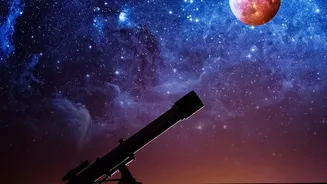
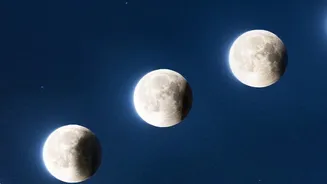
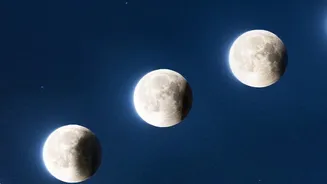
The Moon's cycle is crucial for stargazing. The New Moon on August 12 provides the dark skies needed for the Perseids. The First Quarter Moon occurs on August 20. The Full Moon rises on August 28, and it will be accompanied by a partial lunar eclipse. However, this eclipse will not be visible from India; its visibility is centered over the Americas, Europe, and Africa. The same goes for the total solar eclipse on August 12, which will be visible from parts of Europe but not the Indian subcontinent. You can, however, watch livestreams of these events from space agencies like NASA.
Tips for a Successful Stargazing Session
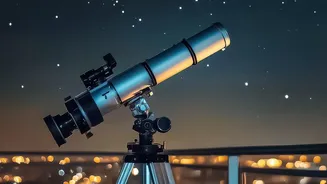
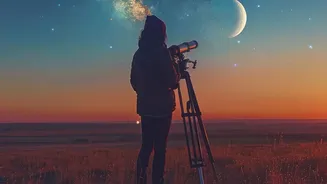
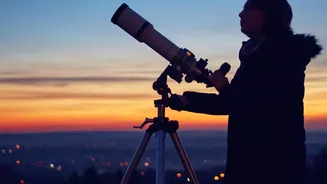
To make the most of these celestial events, a little preparation goes a long way. First, check the weather forecast. Monsoon season can mean cloud cover, so plan for a clear night. Second, escape light pollution. The darker your location, the more you will see. Even a short drive away from city centers can make a huge difference. For meteor showers, no special equipment is needed, just your eyes. Give them at least 15-20 minutes to adapt to the dark. For planetary viewing, a pair of binoculars can enhance the view, and a small telescope can reveal details like Saturn's rings. Finally, consider using a stargazing app on your phone (with a red-light filter to preserve night vision) to help you locate constellations and planets.