




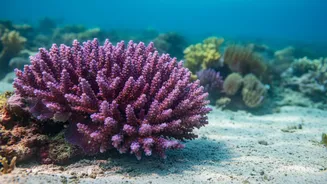
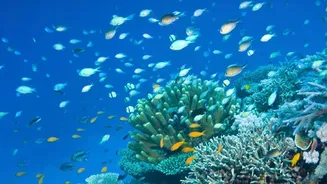
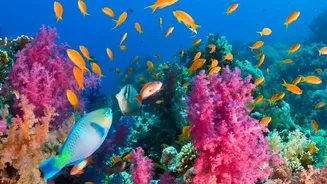
What Makes a Coral ‘Super’?
The term “super coral” isn’t an official scientific classification, but it’s a useful shorthand for corals that show a remarkable ability to tolerate or recover from environmental stress, particularly the warmer water temperatures that cause most corals to bleach
and die. Bleaching happens when stressed corals expel the symbiotic algae living in their tissues, which provide both color and energy. A super coral is one that resists this process, staying healthy when its neighbors bleach, or bouncing back quickly from a bleaching event. This superior tolerance is the trait scientists are eagerly searching for, as it holds clues to helping reefs survive in a changing climate.
Searching in Nature's Laboratories
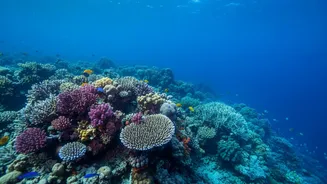
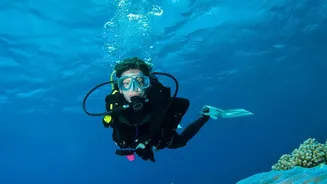
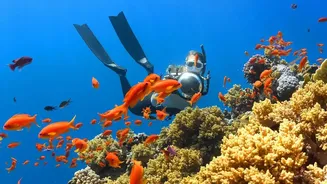
The hunt for super corals often begins in the wild, in places that serve as natural laboratories. Scientists seek out reefs that already experience extreme conditions, like unusually warm or acidic waters. For example, some coral communities in the Red Sea have been found to tolerate temperature conditions significantly higher than the average maximum for most corals. By studying these naturally resilient populations, researchers can identify species that have already adapted. They also monitor reefs after mass bleaching events to see which individual corals survived. These survivors are prime candidates for being genetically predisposed to heat tolerance. Teams scuba dive to collect small fragments from these hardy specimens for further study.
Simulating the Future in the Lab
Once a promising coral is identified, it often undergoes a 'stress test' in a controlled environment. Scientists bring small coral fragments back to a lab or a mobile testing station and place them in tanks where they can precisely control the temperature. One innovative method is the Coral Bleaching Automated Stress System (CBASS), a portable kit that allows researchers to assess thermotolerance on-site within a single day. By gradually raising the water temperature, they can determine the exact point at which a coral begins to bleach. This process helps them confirm which corals are truly more resilient and allows them to rank colonies by their heat tolerance, identifying the strongest of the strong.
Unlocking the Genetic Code
Finding a tough coral is one thing; understanding why it's tough is another. This is where genetics comes in. After identifying heat-resistant corals through stress tests, scientists sequence their DNA. The goal is to pinpoint specific genes or genetic markers associated with heat tolerance. This genetic information is crucial because it helps researchers understand the biological mechanisms of resilience. For instance, some corals might have genes that allow for a more efficient stress response, while others might host hardier types of algae. Identifying these genetic traits opens the door to 'assisted evolution', where scientists can selectively breed corals to enhance these desirable characteristics and pass them on to the next generation.
From Discovery to Active Conservation
The discovery of super corals is not just an academic exercise; it's a vital part of a broader conservation strategy. The ultimate goal is to use these resilient corals to help restore damaged reefs. This can involve growing fragments of super corals in underwater nurseries and then transplanting them onto degraded reefs. Another approach, called assisted gene flow, involves breeding heat-tolerant corals with other populations to spread their resilient genes across different reef systems. These interventions are part of a growing field of resilience-based management, where conservationists actively work to bolster a reef's ability to survive climate change. By identifying and propagating these super corals, scientists hope to buy precious time for reefs as the world works to address the root causes of climate change.