

Beyond the Blink-and-Miss Runway
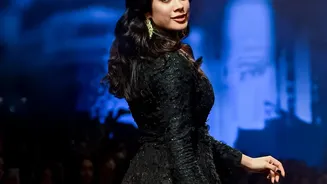
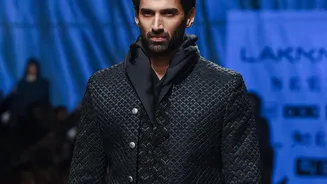
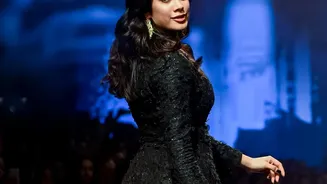
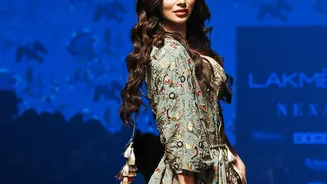
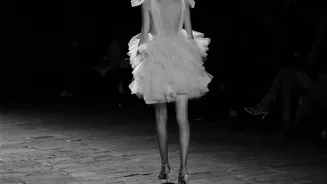
For decades, the runway has been the undisputed king of fashion presentation. A model walks, turns, and disappears, giving the audience a seven-second impression of a garment that may have taken hundreds of hours to create. But this year, some of India's
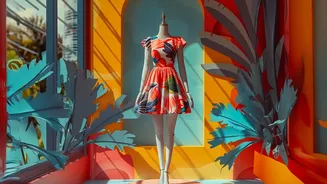
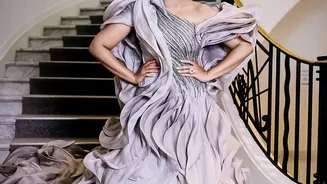
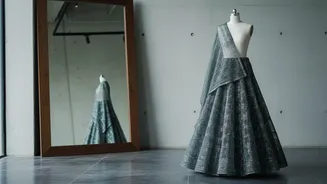
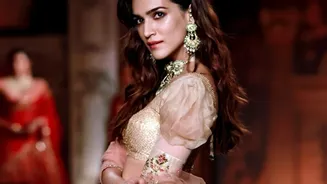
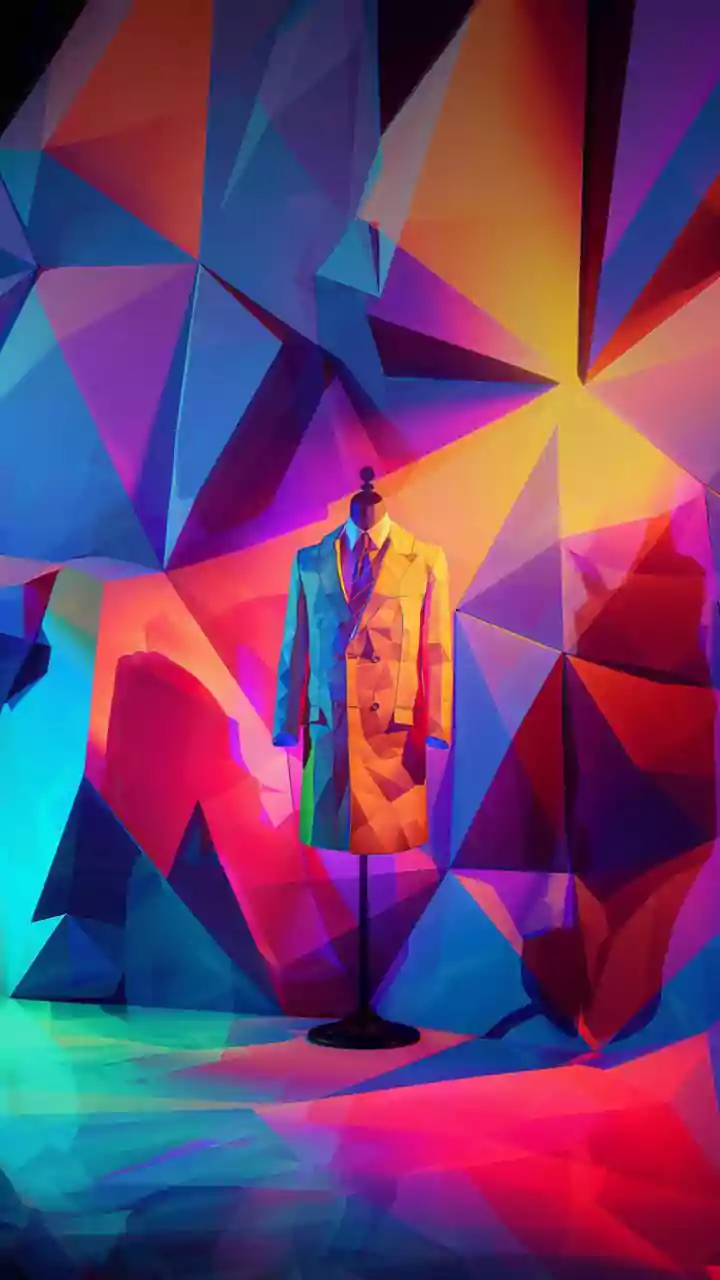
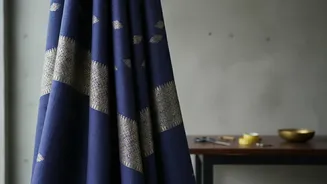
leading couturiers decided that was not enough. They moved away from the traditional format to embrace static, exhibition-style showcases. Instead of a linear parade, these presentations function more like art galleries. Garments are displayed on mannequins or in curated spaces, allowing attendees to walk around them, observe details from inches away, and absorb the artistry without the pressure of a moving show. This shift allows the intricate handwork, delicate embroidery, and complex textures that define Indian couture to be truly seen and appreciated, transforming the viewing experience from a passive one into an active exploration of craft.
Tarun Tahiliani's Immersive Universe
The most prominent champion of this new format at the recent Hyundai India Couture Week 2026 was veteran designer Tarun Tahiliani. He skipped the runway entirely, instead transforming Delhi's Bikaner House into a multi-room immersive exhibition titled 'Navaratna'. It was described as a multi-sensory walkthrough where guests could journey through different environments, each dedicated to a different facet of the designer's world. The goal was to let the audience get close enough to see the soul of the garments—the delicate draping, the sculpted corsetry, and the masterful embroidery that is often lost in the blur of a catwalk. Reviews noted that this format made perfect sense for a designer whose work deserves more than a fleeting glance, allowing for a deeper connection between the creation and the observer.
A Celebration of Craftsmanship
This move toward a slower, more deliberate presentation style reflects a growing confidence in the intrinsic value of Indian craftsmanship. Couture, by its very definition, is about the highest level of artistry in fashion. An exhibition format honours this by putting the garment, and the artisan behind it, at the very centre of the narrative. Designers are increasingly building their collections around powerful stories, from JJ Valaya's exploration of the Siddi community's journey to Rohit Bal's tribute to the 'karigars' who have worked with him for decades. In this context, a static display is not just a logistical choice; it is a curatorial one. It says that the clothes themselves are the main event, rich with stories and techniques that warrant closer inspection. Grand finale designer Rahul Mishra also echoed this sentiment, inviting the audience to witness the creative process behind his acclaimed 'DEVI' collection rather than just seeing the finished product on a runway.
The Experience is the New Spectacle
While the runway offers drama and spectacle, the exhibition offers intimacy and education. For buyers, clients, and brides-to-be, this format provides a crucial opportunity to understand the construction, weight, and feel of a piece. You can see how a crystal is attached, how a drape falls, and how light catches a particular thread. This shift aligns with a broader trend in luxury, where consumers are increasingly seeking unique experiences and a deeper understanding of the products they invest in. The opening of ICW 2026 itself hinted at this, with Anamika Khanna staging her show at the historic Falaknuma Palace in Hyderabad, using the venue itself to create an unforgettable narrative. The message from India's top designers is becoming clear: the new luxury is not just about wearing a beautiful garment, but about understanding and connecting with the art form behind it.