





Understanding the Urban Water Challenge
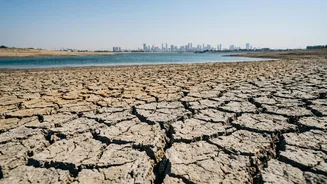
India possesses only 4% of the world's freshwater resources to serve 18% of its population, making it one of the most water-stressed countries globally. This national challenge is felt most acutely in cities like Delhi, Chennai, Hyderabad, and Bengaluru,
which are among those facing severe water scarcity. The reasons are complex: rapid, often unplanned urbanisation paves over natural recharge zones, over-extraction depletes groundwater tables faster than they can replenish, and changing climate patterns lead to unpredictable rainfall. As recently as September 2026, officials in Maharashtra considered urban water cuts as reservoirs failed to reach full capacity, highlighting a dependency on monsoons that is becoming increasingly precarious. This combination of factors puts immense pressure on municipal supplies, leading to shortages and a greater reliance on expensive water tankers.
Start with a Home Water Audit
The first step towards water resilience is understanding your own consumption. A home water audit is a simple but powerful tool. Start by checking your water meter. Turn off all taps and water-using appliances, take a meter reading, and then check it again after 30-60 minutes. If the reading has changed, you have a leak. Common culprits are dripping taps, faulty toilet cisterns, and pipes under sinks. A single dripping tap can waste thousands of litres of water per year. Beyond leaks, take note of your family's daily habits. How long are the showers? Is the tap left running while brushing teeth or washing dishes? Is the washing machine run on small loads? Identifying these high-usage activities reveals the biggest opportunities for immediate savings.
Upgrade to Water-Efficient Fixtures
Modern technology offers simple ways to drastically cut water use without sacrificing performance. Installing aerators on taps can reduce flow by over 50% while maintaining pressure. Similarly, low-flow showerheads can significantly reduce water consumption during bathing, one of the highest water-use activities in a home. Upgrading to a dual-flush toilet is another high-impact change, as it allows for a half-flush for liquid waste, saving several litres with every use. While there is an initial cost, these fixtures often pay for themselves through lower water bills, especially in areas with metered supply. For larger buildings, many municipalities are now encouraging or mandating such water-saving fixtures as part of green building norms.
Harness the Power of Rain
Rainwater harvesting (RWH) is an ancient solution that is more relevant than ever for urban homes. The concept is simple: collect the rainwater that falls on your rooftop or terrace and store it for later use. This harvested water is ideal for non-potable needs like gardening, flushing toilets, and cleaning vehicles, reducing reliance on treated municipal water by 30-50%. A 1000 sq ft rooftop can potentially harvest over 1,00,000 litres of water in a year, depending on local rainfall patterns. Systems can be adapted for both independent houses and apartment complexes, with options ranging from simple storage tanks to more complex setups that recharge groundwater through percolation pits. Several states, including Tamil Nadu, Delhi, and Karnataka, have made RWH mandatory for new buildings.
Recycle and Reuse Greywater
A significant portion of the water that goes down the drain in a household isn't heavily contaminated. This 'greywater'—from showers, bathroom sinks, and washing machines—can be treated and reused. Onsite greywater recycling systems filter and disinfect this water, making it safe for toilet flushing, floor mopping, and garden irrigation. Implementing such a system can reduce a household's freshwater consumption by 40-60%. Packaged systems suitable for individual homes are now available and can be installed underground with minimal maintenance. The payback period for these systems is typically 3-5 years through savings on water bills, making it a sound long-term investment for water security.
Adopt Water-Wise Daily Habits
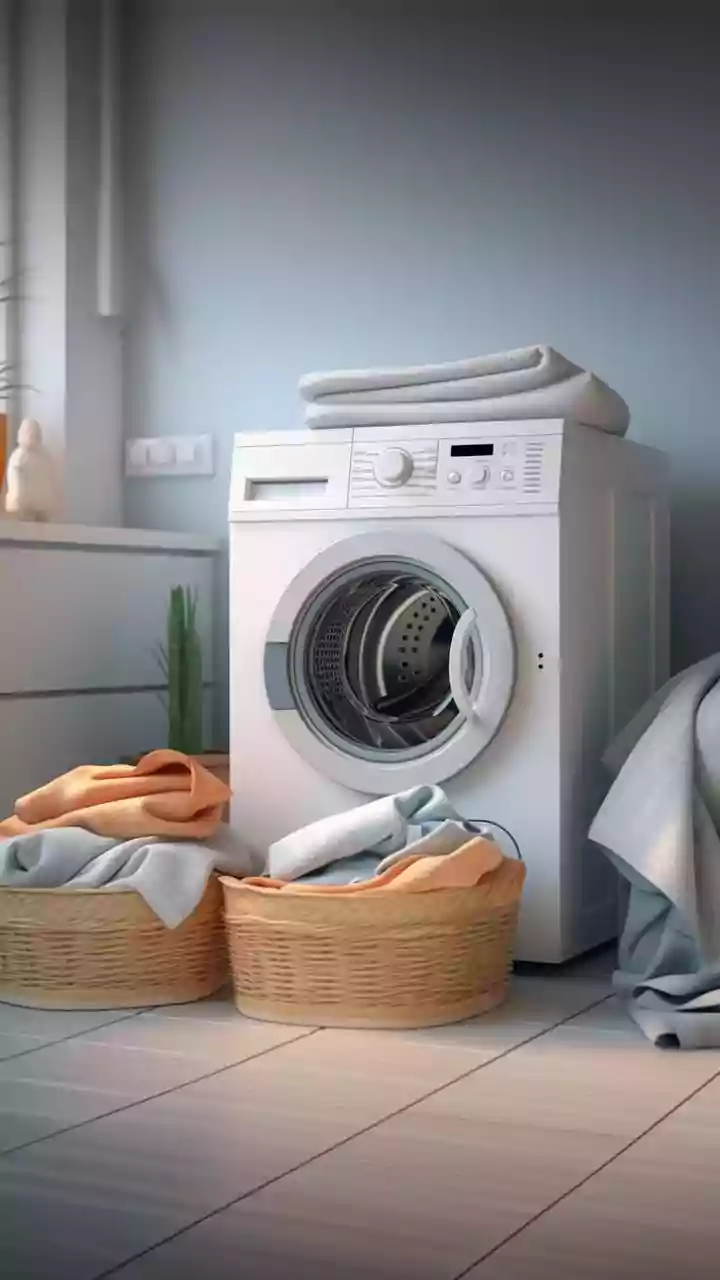
Technology and infrastructure are only part of the solution; mindful daily habits are crucial. Simple actions, when adopted by everyone in the household, add up to significant savings. Turn off the tap while brushing teeth or lathering soap. Use a bucket for bathing instead of a long shower. Only run washing machines and dishwashers with full loads. When washing vegetables, do so in a pan of water instead of under a running tap, and reuse that water for your plants. Another major source of water waste in many homes is the reject water from RO purifiers, which can be collected and used for mopping floors or other cleaning tasks.