


The Classic We All Adore
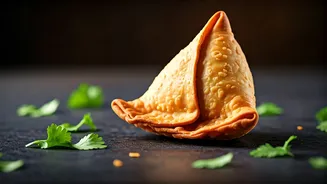
Let’s be clear: there is nothing wrong with the original samosa. The combination of a flaky, savoury pastry and a warm, spiced potato and pea filling is perfection. It’s the taste of rainy afternoons, festive gatherings, and that quick street-side snack
that always hits the spot. The beauty of a classic samosa lies in its balance — the carom seeds (ajwain) in the dough, the tang of amchur (dry mango powder) in the filling, and that satisfying crunch when you take the first bite. Any attempt to change it must respect this legacy while bringing something new and genuinely delicious to the table. We’re not here to replace the original, but to offer a thrilling alternative for when you’re feeling adventurous in the kitchen.
The Game-Changing Twist: Chilli Paneer
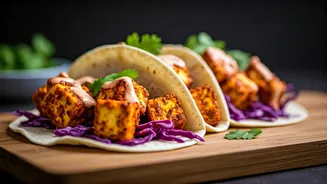
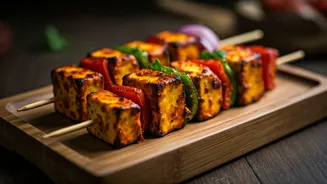
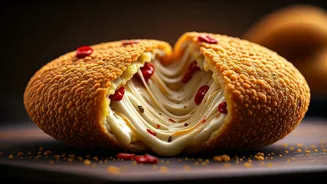
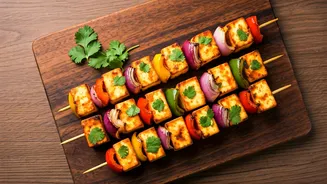
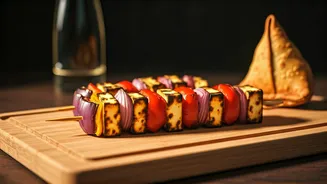
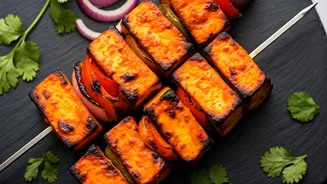
Imagine your favourite Indo-Chinese starter, Chilli Paneer, with its spicy, sweet, and tangy sauce clinging to soft cubes of fresh cheese. Now, imagine that explosion of flavour packed inside a crispy samosa shell. This is the twist that will change your samosa game forever. The fusion of Indian and Chinese flavours is already a national obsession, and this recipe takes it to its logical, most delicious conclusion. The soft texture of the paneer provides a wonderful contrast to the crunchy pastry, while the bell peppers and onions in the filling add a delightful bite. It’s familiar enough to feel comforting but new enough to feel like a culinary discovery you’ll be proud to share.
Nailing the Perfect Pastry
A great filling deserves a great vessel. The secret to a perfect, non-greasy samosa pastry that blisters and bubbles just right is the 'moyan'—the amount of fat (ghee or oil) you rub into the flour. For every cup of all-purpose flour (maida), a good rule of thumb is to use about two to three tablespoons of ghee. Rub the ghee into the flour with your fingertips until the mixture resembles coarse breadcrumbs. When you press a handful, it should hold its shape. This process is what makes the pastry 'khasta' or flaky. Another key is to use cold water to form a stiff, tight dough. Don’t over-knead it. Let the dough rest for at least 30 minutes before rolling; this relaxes the gluten and makes it easier to work with.
Crafting the Ideal Filling
The challenge with a Chilli Paneer filling is to get all the flavour without making it too saucy, which would result in a soggy samosa. The trick is to create a 'dry' version. Start by lightly frying small cubes of paneer until golden. In the same pan, sauté finely chopped garlic, ginger, and green chillies. Add diced onions and bell peppers (a mix of red and green looks great) and cook until they are tender-crisp. Now for the sauce: in a small bowl, mix soy sauce, a touch of vinegar, and a pinch of sugar. Instead of cornflour slurry, which adds moisture, you can use a small amount of tomato ketchup or red chilli paste to bind the ingredients. Toss the paneer and vegetables in this minimal sauce until everything is well-coated but not wet. Let the filling cool completely before you start stuffing.
The Art of Folding and Frying
The iconic cone shape is easier to master than you think. Roll a small ball of dough into a thin oval, about 4-5 inches long. Cut it in half crosswise. Take one semi-circle and form a cone by overlapping the straight edges, using a dab of water to seal it. Hold the cone in your hand and pack it with the cooled Chilli Paneer filling, leaving some space at the top. Apply water to the inner rim and pinch it tightly to seal the samosa. Make sure there are no gaps. The final step is frying, and temperature is everything. Heat oil on a medium-low flame. To test it, drop a small piece of dough in; it should sizzle gently and rise to the surface slowly. Frying on low heat allows the pastry to cook through and become crisp without browning too quickly. Fry the samosas in batches, turning occasionally, until they are golden brown and crisp all over. This can take 10-12 minutes, but patience is the key to perfection.