





The Current State of Passenger Rights
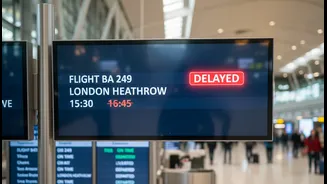
Currently, passenger protections are governed by the Directorate General of Civil Aviation's (DGCA) Passenger Charter. These rules mandate that airlines provide certain facilities during disruptions. For instance, if a flight is delayed by more than two
hours, airlines are required to provide free meals and refreshments. For longer, overnight delays, they must offer hotel accommodation and transport. When it comes to cancellations, passengers are entitled to either an alternate flight or a full refund. Monetary compensation is also mandated for cancellations and significant delays that are not caused by extraordinary circumstances like severe weather or air traffic control issues. Compensation can range from ₹5,000 to ₹10,000 for cancellations and up to ₹20,000 for denied boarding, depending on the specifics. However, passengers have often reported difficulties in claiming these rights, facing complex procedures and disputes over what constitutes an 'extraordinary circumstance'.
A Proposed Shift Towards Stronger Protections
Recognizing the need for a more passenger-centric approach, the Ministry of Civil Aviation and the DGCA have proposed significant changes. Recent amendments, effective March 2026, have already started to strengthen consumer rights. A key proposal involves creating a 48-hour 'look-in' period after booking, allowing passengers to cancel or amend tickets without penalty, provided the flight is not within seven days for domestic travel. This is designed to protect travellers from mistakes made during booking or from sudden changes in plans. Another major focus is on refunds, with rules being tightened to ensure airlines are directly responsible for processing them within a fixed timeframe, even for tickets bought via travel agents.
The End of Forced Credit Shells
One of the most significant changes for passengers is the proposed stance on refunds. Previously, a common complaint was that airlines would automatically issue credit shells instead of cash refunds for cancelled flights. These credit shells come with expiry dates and can only be used with the same airline. The new regulations explicitly state that offering a credit shell cannot be the default practice. The choice to accept a credit voucher now rests with the passenger. If the passenger prefers a monetary refund, the airline is obligated to provide it. For tickets bought with a credit card, the refund must be processed within seven days, and for those booked through agents, the airline must complete the process within 14 working days.
What This Means for Delays and Cancellations
While existing rules for providing meals and accommodation during delays remain, the new framework aims to improve communication and accountability. Airlines will be required to be more transparent about the reasons for disruptions. The distinction between a cancellation due to airline fault versus an 'extraordinary circumstance' is critical, as it determines eligibility for monetary compensation. By making the rules clearer and putting the onus on airlines to prove their case, the changes could empower passengers to more confidently claim what they are owed. If an airline fails to provide the mandated assistance, passengers have a clearer path to escalate the issue through platforms like the government's AirSewa portal.
A Broader Push for Passenger-First Travel
These new rights for flight disruptions are part of a wider effort to improve the air travel experience in India. Recent government mandates also require airlines to offer at least 60% of their seats for free selection, curbing the practice of charging extra for most seats. Another rule aims to ensure that families or passengers travelling on the same booking (PNR) are seated together whenever possible, without having to pay extra. This broader context, which also includes a push from the Supreme Court for greater transparency in airfares and charges, signals a significant regulatory shift towards protecting consumer interests in the country's rapidly growing aviation market.