



Choosing Your First Snowfall Trek
The key to a successful first winter trek is choosing a trail that is both beautiful and beginner-friendly. Several treks in Uttarakhand are famous for their manageable gradients and reliable snowfall, making them ideal for novices. The Kedarkantha trek is arguably
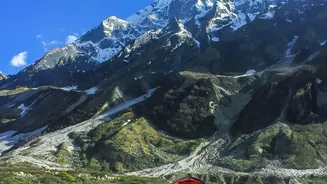
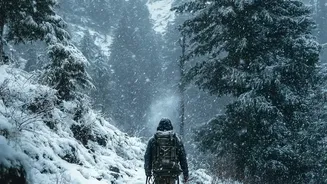
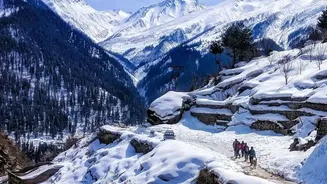
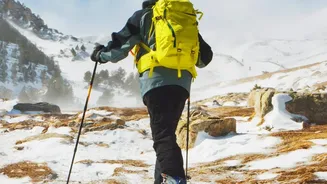
the most popular, known as the 'Queen of Winter Treks'. It offers a rewarding summit climb with 360-degree views of Himalayan giants like Swargarohini and Bandarpoonch. The trail, which starts from the village of Sankri, winds through dense pine forests and past the frozen Juda Ka Talab lake, making the journey as scenic as the destination. Another excellent option is the Dayara Bugyal trek. 'Bugyal' means alpine meadow, and in winter, these vast, rolling meadows are transformed into a spectacular, unending playground of snow. It's a relatively easy trek with a gradual ascent, offering stunning panoramic views of the Garhwal Himalayas. Both treks are typically 4 to 6 days long and reach altitudes of around 12,000 to 12,500 feet, providing a true Himalayan experience without overwhelming a first-timer.
Mastering the Art of Layering
Staying warm and dry is the most critical aspect of a snow trek, and the secret is not one thick jacket but a smart layering system. This three-part system allows you to adjust to changing temperatures and exertion levels. The first is your base layer: these are thermal tops and bottoms that sit against your skin. Their job is to wick sweat away to keep you dry; materials like merino wool or synthetic fabrics are perfect, but cotton is strictly forbidden as it holds moisture and chills your body. Next is the mid-layer, which provides insulation. This is typically a fleece jacket or a light down jacket that traps your body heat. The final piece is the outer shell layer, which consists of a waterproof and windproof jacket and pants. This layer protects you from the elements like snow, rain, and high winds, ensuring the layers underneath stay dry and effective.
Essential Gear and Footwear
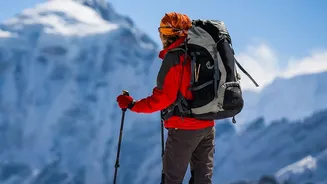
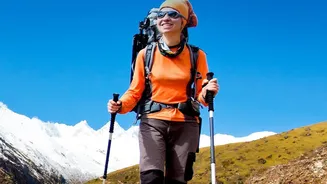
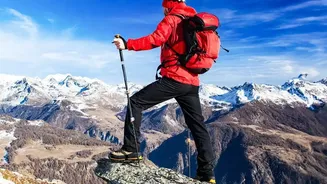
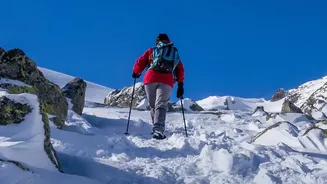
Beyond clothing, a few key items are non-negotiable for safety and comfort. First and foremost are your boots. You need waterproof, high-ankle trekking boots with good grip to keep your feet dry, warm, and supported on uneven, snowy terrain. Pair them with woolen or synthetic socks, and avoid cotton at all costs. To walk on slippery ice and hard snow, you will need microspikes or crampons, which are traction devices that attach to your boots; these are often provided by trekking companies. Other essentials include a warm woolen hat or balaclava, waterproof gloves, and UV-protection sunglasses or goggles to prevent snow blindness from the intense glare. A headlamp is crucial for navigating in the dark at campsites, and a pair of trekking poles will provide stability and reduce strain on your knees during ascent and descent.
Physical and Mental Preparedness
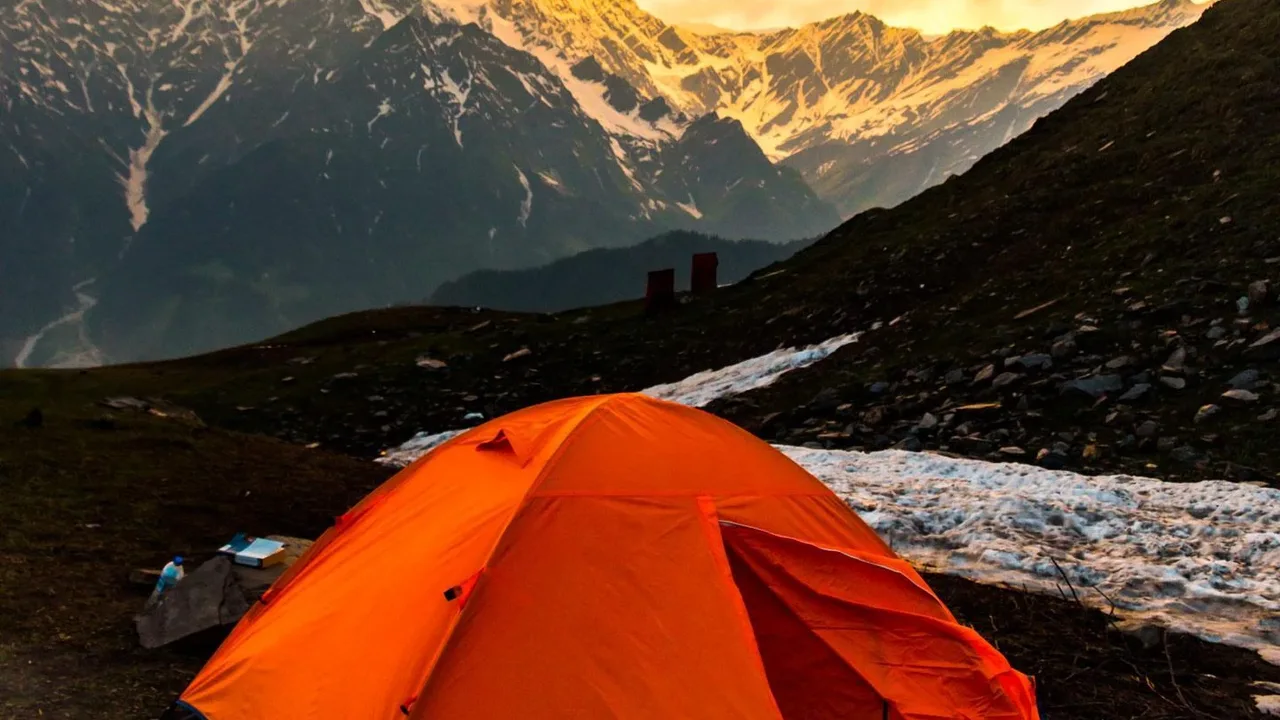
While beginner treks don't require you to be a super-athlete, a basic level of fitness will make the experience far more enjoyable. Walking in snow is more strenuous than walking on a dry trail. It's advisable to start preparing at least a month in advance with cardiovascular exercises like jogging, cycling, or brisk walking for 30-45 minutes, a few times a week. Incorporating leg-strengthening exercises like squats and lunges will also help. Just as important is mental preparation. Be ready for cold temperatures, basic accommodation in tents, and the possibility of changing weather. A positive mindset and the willingness to be adaptable are your greatest assets in the mountains. Remember that the goal is not just to reach a summit but to enjoy the entire journey.
Staying Safe on the Snowy Trail
Safety is paramount in the Himalayas. Always trek with a reputable and experienced guide or trekking company. Your trek leader is trained to handle mountain conditions and emergencies, so listen to their instructions carefully. A key concern at high altitudes is Acute Mountain Sickness (AMS), which can cause headaches, nausea, and dizziness. The best prevention is to acclimatise properly by ascending slowly and staying well-hydrated. Drink plenty of water throughout the day. It's also important to tell your guide immediately if you feel unwell. Walk at a steady, comfortable pace, take short breaks when needed, and always be mindful of your footing, especially on descents.