





The Shift from Dinner to Destination
For decades, the formula for a successful Indian restaurant was straightforward: delicious, authentic food served with warm hospitality. The ambiance was often secondary, a familiar backdrop to the main event on the plate. But today, the ground is shifting.
Diners are no longer just looking for a good meal; they are seeking memorable moments and a story to go with their food. In response, a vanguard of Indian restaurateurs is reimagining their spaces as stages for culinary theatre. The focus has expanded from simply taste to a multi-sensory event that includes atmosphere, presentation, and the narrative behind each dish. This evolution marks a move from restaurant as a place to eat, to restaurant as a destination.
What 'Experiential Dining' Really Means
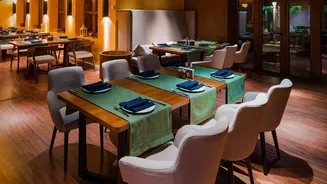
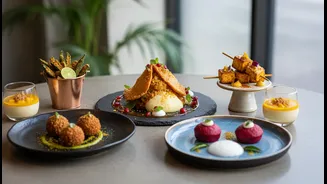
Experiential dining is about creating an immersive environment that captivates all the senses. It’s a holistic approach where food, decor, and service unite under a single, compelling theme. This can manifest in various ways. At some establishments, it’s about dramatic, theatrical presentations, with dishes arriving in a cloud of smoke or plated to look like works of art. At others, it’s about storytelling, where the menu takes you on a journey through a specific region's culinary history. Many restaurants now feature open kitchens, turning the act of cooking into a performance. Some even incorporate AR-enhanced menus or live music and art installations that complement the theme, transforming the meal into an interactive, shareable event.
Pioneers of the Plate
Several flagship restaurants are leading this charge. Indian Accent in New Delhi, for instance, has been lauded for years for its inventive approach, blending global techniques with traditional Indian flavors under the guidance of Chef Manish Mehrotra. The experience is one of refined elegance, where familiar tastes are presented in unexpected, modern forms. In Mumbai, Masque takes a different approach with its ingredient-driven, ten-course tasting menu—a first of its kind in India. With a focus on a farm-to-table philosophy, it showcases hyper-local and forgotten ingredients, offering a dining experience that changes with the seasons and tells a story of India's biodiversity. Meanwhile, Trèsind offers a playful, multisensory performance, combining modernist techniques with a deep respect for authentic flavors, creating dishes that are as visually stunning as they are delicious.
The 'Why' Behind the Wow Factor
Several factors are driving this trend. The rise of social media has created a generation of diners who are eager to capture and share unique moments; an 'Instagrammable' interior or a theatrical dish is powerful marketing. Furthermore, as diners become more globally aware and adventurous, their expectations have risen. They crave novelty and are curious about the stories behind their food, from the origin of the ingredients to the cultural history of a recipe. The intense competition in the hospitality industry also plays a role. In a crowded market, a unique experience is a key differentiator, helping a restaurant stand out and build a loyal following. A great 'vibe' and a compelling story are what bring people back time and again.
Redefining Indian Cuisine
Ultimately, this trend is about more than just aesthetics; it's about redefining the perception of Indian cuisine. For too long, it was viewed through a narrow lens internationally. These new restaurants are challenging stereotypes, showcasing the incredible diversity and sophistication of India’s culinary landscape. They are proving that Indian food can be modern, innovative, and worthy of a place on the world's fine-dining stage. By blending tradition with contemporary flair, these chefs and restaurateurs are not just preserving their heritage; they are actively shaping its future, presenting it through a lens that is globally relevant while remaining deeply connected to its roots.