




The Monsoon's 2026 Nationwide Grip
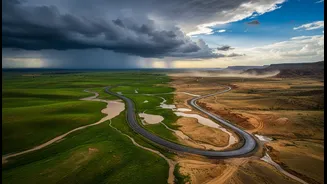
As of early July, the Southwest Monsoon has made significant headway, with the India Meteorological Department (IMD) forecasting its advance into the remaining parts of Rajasthan, Haryana, and Punjab, completing its coverage over the entire country. This
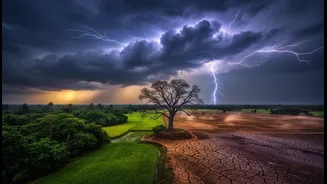
isn't just a coastal phenomenon anymore; it's a nationwide event bringing widespread, heavy rainfall to central, northwest, and northeast India. States like Maharashtra, Gujarat, Madhya Pradesh, and those in the Himalayan region like Uttarakhand and Himachal Pradesh are experiencing intense spells, leading to official weather alerts. This widespread activity means that nearly any long-distance drive will intersect with active monsoon conditions.
The Treacherous Trio: Landslides, Waterlogging, and Closures
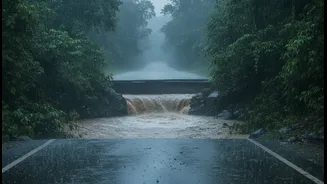
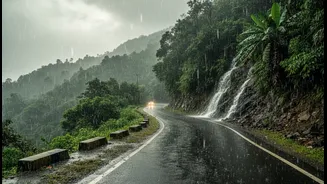
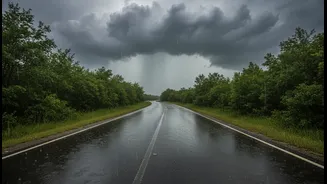
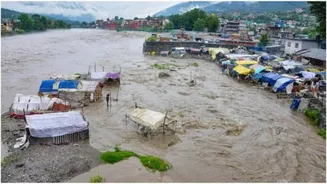
The primary danger for road-trippers isn't just the rain itself, but what it does to the terrain. In hilly regions like Himachal Pradesh, Uttarakhand, and the Western Ghats, the risk of landslides and mudslides is critically high. Recent reports have highlighted closures on major arteries like the Mumbai-Pune Expressway due to landslides. In urban and plain areas, the challenge is severe waterlogging, which can submerge underpasses, cause vehicles to stall, and create massive traffic disruptions in cities like Delhi, Mumbai, and Gurugram. The IMD has explicitly warned of a low to moderate flash flood risk in several districts across multiple states, conditions that can turn a scenic drive into a dangerous situation within minutes.
Your Pre-Trip Digital Route Check
Spontaneity has its limits during the monsoon. Before you even put the key in the ignition, a thorough route check is non-negotiable. Start with real-time traffic apps like Google Maps or Waze, paying close attention to road closure alerts and traffic congestion. However, don't stop there. Supplement this with official information. The IMD's 'Mausam' app provides district-wise weather warnings. Many state police departments and the National Highways Authority of India (NHAI) post updates on social media platforms about road conditions. For those heading to the hills, checking local district administration advisories is crucial, as they provide the most specific information on landslide-prone zones and blocked routes.
Vehicle Health is Your First Defence
Your car is your first line of defence against the elements. A pre-monsoon check-up is essential. Ensure your tyres have adequate tread depth to prevent aquaplaning on wet roads. Check that your windshield wipers are in perfect working order for clear visibility during downpours. Brakes are another critical component; wet roads significantly increase braking distance, so ensure they are responsive. Finally, test all your lights—headlights, taillights, and fog lamps. In heavy rain and low visibility, being seen by other drivers is just as important as seeing the road ahead.
Smarter Driving for Safer Journeys
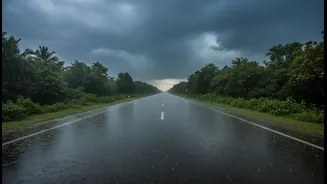
Once on the road, adjust your driving style for the conditions. The golden rule is to slow down. High speeds on wet surfaces are a recipe for disaster. Maintain a greater distance from the vehicle in front of you to account for longer braking times. Avoid sudden acceleration or braking, which can lead to skidding. Never attempt to drive through heavily waterlogged streets or, more critically, roads with flowing water; it is impossible to gauge the depth or the strength of the current. If visibility becomes dangerously low, it is safer to pull over at a secure spot and wait for the weather to improve.
Pack a Monsoon Emergency Kit
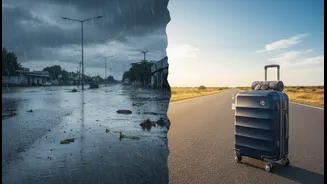
Hope for the best but prepare for the worst. Getting stranded is a real possibility, whether due to a landslide, a fallen tree, or a flooded road. Your car should be equipped with a monsoon emergency kit. This includes a powerful torch with extra batteries, a power bank for your mobile phone, and a comprehensive first-aid kit. Pack dry, non-perishable snacks and plenty of drinking water. It's also wise to have waterproof bags or pouches to protect your electronic devices and important documents from water damage. These simple preparations can make a huge difference if you find yourself waiting for a road to clear.