
The Silent Threat: Understanding GLOFs
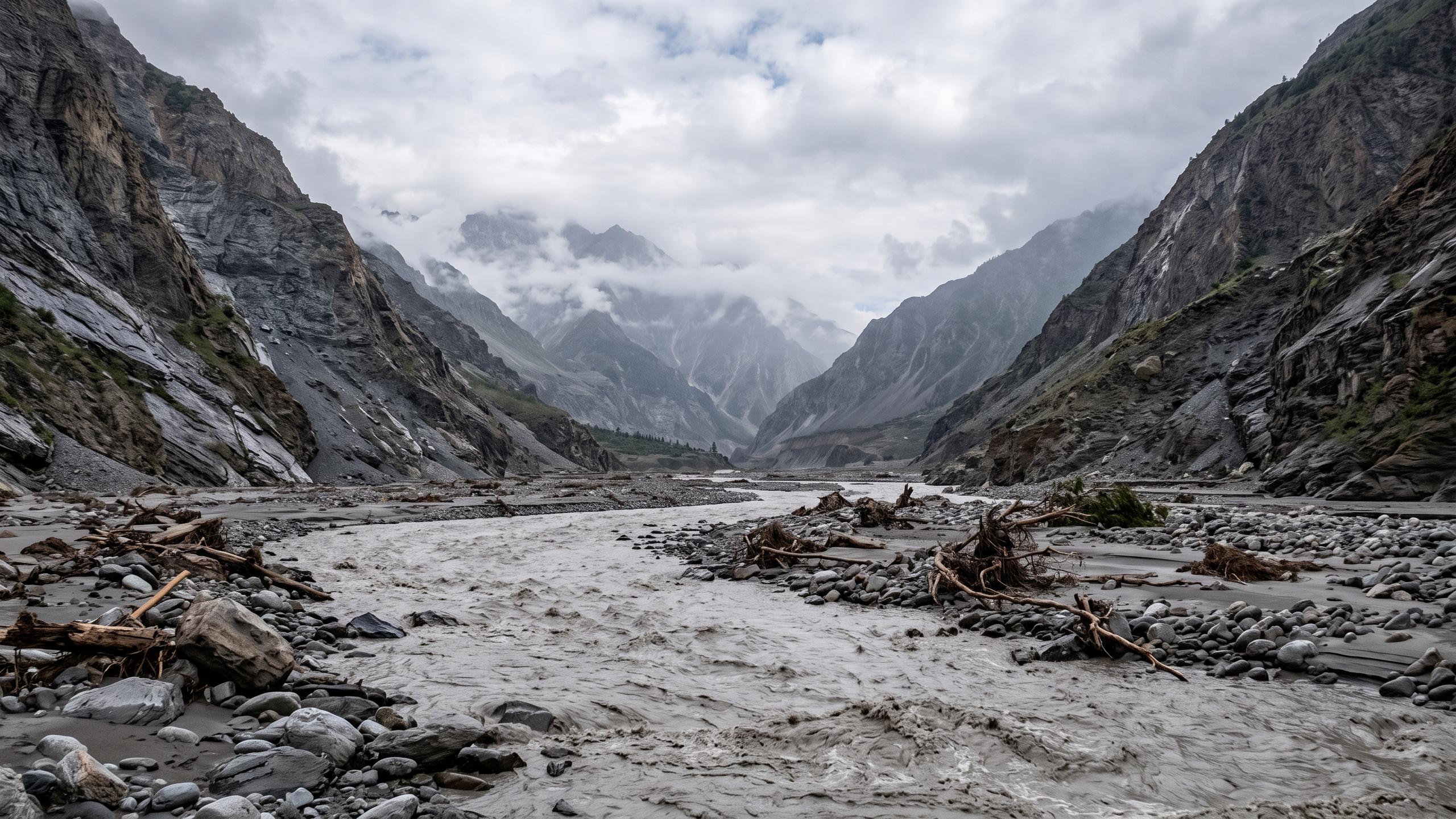
The disaster that struck Nepal's Trishuli River basin in August 2026 was not a typical flood. Initial analysis suggests a massive chunk of a glacier and the underlying bedrock broke away high in the mountains. This catastrophic collapse sent a torrent
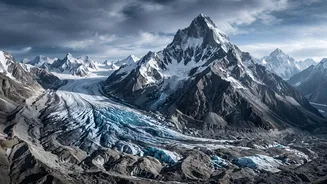
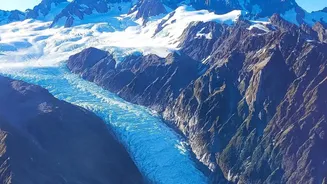
of ice, rock, and water surging through the valley below, with water levels rising as much as nine metres in just half an hour. While this event was a complex ice and rock avalanche, it produced a result similar to a more common Himalayan danger: a Glacial Lake Outburst Flood (GLOF). GLOFs happen when a lake formed by melting glaciers—often dammed by unstable walls of rock and ice—suddenly bursts. These events release immense volumes of water and debris at incredible speed, capable of travelling over 100 kilometres and wiping out everything in their path.
Preparation Begins Before the First Step
Your safety on a high-altitude trek depends heavily on the planning you do at home. First, honestly assess your fitness level. The Himalayas are not the place to begin a fitness journey; they demand prior physical conditioning. Next, choose your route wisely. Popular treks like the Everest Base Camp or Annapurna Circuit are generally better supported with lodges and communication infrastructure than more remote paths. The most critical decision is whether to hire a reputable outfitter. A good guide offers far more than navigation; they bring first-aid training, local knowledge of hazardous zones, and crucial decision-making skills for when things go wrong. Don't choose based on price alone. Research companies, ask for recommendations, and ensure they have a solid safety record and emergency plans. Finally, pack the right gear, including a basic medical kit, a whistle, and a headlamp that is always easily accessible.
Staying Vigilant on the Trail
Once you are in the mountains, a new level of awareness is required. The cardinal rule of high-altitude trekking is to acclimatise properly by gaining height slowly. Listen to your guide and local authorities. They have an intimate understanding of the terrain and receive updates about potential dangers. In the aftermath of the 2021 Melamchi flood, it was noted that local authorities issued a warning that helped some people move to higher ground before the disaster struck. Never trek alone. Staying with a group ensures that someone has your back if you get injured or fall ill. Maintain situational awareness. Pay attention during daily briefings from your guide and always know the plan for the day. Be aware of your surroundings, especially when crossing rivers or resting in narrow valleys, which are particularly vulnerable to flash floods.
Reading Nature’s Warning Signs
The mountains often provide clues before a disaster. Being able to recognise them can be lifesaving. A key indicator of a potential GLOF or flash flood is a sudden, unexpected change in a river's flow, volume, or colour. If a clear river suddenly becomes muddy and brown or its level rapidly rises or falls, it could signal a major event upstream. Another warning sign is an unusual sound. A deep, continuous rumbling that sounds different from normal thunder could be the sound of a landslide or debris flow approaching from miles away. If you feel the ground shake when there's no earthquake, it might be from a massive landslide or ice collapse far up the valley. Trust your instincts; if something feels wrong, it's better to be overly cautious.
How to React in an Emergency
If you witness any of these warning signs or hear a flood alert, your response must be immediate and decisive. Do not wait for confirmation or to see the flood yourself. Your priority is to get to higher ground as quickly and safely as possible. Move away from the river valley floor and climb at least 50-100 metres up the valley side. When the Melamchi flood occurred, residents who were instructed to move to higher ground had a better chance of survival. Leave your belongings behind; they can be replaced, but your life cannot. Once you are in a safer location, try to alert others downstream if possible, as villagers did during the August 2026 flood, using their phones to warn communities further down the river. Having a plan and reacting without hesitation is the key to surviving a sudden mountain catastrophe.