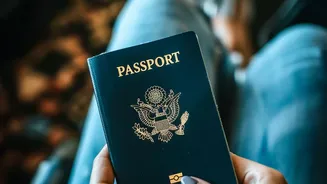






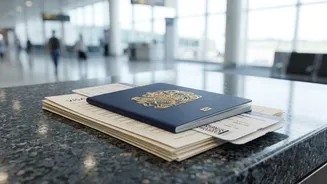
The future of air travel is a story of two conflicting realities. On one side, technology like biometrics promises a seamless, passport-free journey. On the other, a growing maze of complex entry rules is actively discouraging travellers.
A Widening Gap Between Technology and Policy
The International
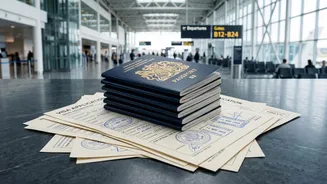
Air Transport Association (IATA) has highlighted a critical disconnect in its 2026 Global Passenger Survey. While airports and airlines are investing heavily in technologies that speed up the travel process, a significant and growing number of passengers are being put off by complicated immigration and visa requirements. According to the survey, which gathered responses from over 10,000 travellers across 200 countries, 43% of passengers said they were discouraged from travelling to a destination specifically because of its entry rules. This figure is a sharp increase from 33% just a year prior in 2025, indicating that the problem is getting worse, not better.
The Friction Point: Complexity Over Cost
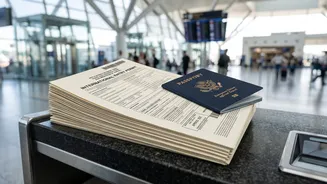
The primary deterrent isn't the price of a visa or privacy fears, but the sheer complexity of the process itself. Of the travellers who were discouraged, a majority—53%—cited the complicated nature of the requirements as the main reason. In contrast, cost and privacy concerns were each cited by only 17% of these respondents. Passengers are increasingly expressing a desire for digitalisation. The IATA survey found that 60% of travellers prefer to apply for a visa online rather than in person at a consulate. Furthermore, 86% are willing to submit immigration information digitally before their trip to speed up the arrival process, showing a clear demand for streamlined, modern procedures.
Passengers Embrace a Biometric Future
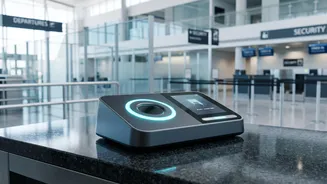
This frustration with bureaucracy stands in stark contrast to travellers' enthusiasm for new airport technology. The same IATA survey revealed a rapid adoption and high satisfaction rate for biometrics. Nearly six in ten passengers (58%) have used biometric identification—such as facial recognition—at an airport in the past year. Of those who have, 87% were satisfied with the experience. Travellers are not just comfortable with the technology; they want more of it. A remarkable 78% said they would willingly share their biometric data if it meant they could skip repetitive passport and boarding pass checks. The IATA One ID initiative aims to create this future, where a secure, single digital identity can be used from check-in to boarding, making the journey truly contactless.
The Economic Cost of Outdated Rules
This friction isn't just an inconvenience for passengers; it represents a significant economic hurdle for the global tourism and aviation industries. When 43% of potential travellers are discouraged, destinations lose revenue, airlines lose customers, and economic recovery is slowed. The issue is particularly acute in certain regions. For instance, the IATA survey noted that 52% of travellers in Africa and 49% in the Asia-Pacific region were discouraged by entry requirements, the highest rates globally. IATA's Senior Vice President, Nick Careen, emphasised that while passengers are ready for a digital transformation, they 'continue to face barriers from complex immigration and visa processes'. The association is calling on governments to collaborate on simplifying these requirements and accepting secure digital travel credentials to unlock the full potential of a modernised travel ecosystem.